
What types of devices use flexible circuit boards?

flexible circuit boards
Flexible circuit boards are used in a wide range of devices across various industries due to their adaptability, lightweight nature, and ability to conform to different shapes. One of the most common types of devices that incorporate flexible circuit boards is consumer electronics. Smartphones, tablets, and laptops use flex PCBs extensively, especially in components like displays, batteries, and internal connectors.
The need for slimmer, lighter, and more compact devices makes flexible circuit boards an ideal choice, as they can be bent and shaped to fit into tight spaces, allowing manufacturers to optimize the design for both function and form. In wearable technology, such as smartwatches and fitness trackers, flexible circuit boards are essential due to their ability to bend and conform to the shape of the user’s body, making the device more comfortable and ergonomic.
The medical industry is another significant area where flexible circuit board are widely used. Medical devices often require components that can fit within small spaces and adapt to the contours of the human body. Wearable medical devices, such as heart rate monitors, blood glucose meters, and other health monitoring gadgets, use flexible circuit boards to maintain a comfortable fit while delivering accurate performance.
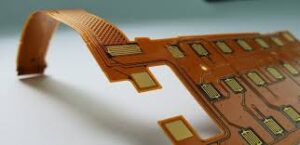
What types of devices use flexible circuit boards?
Furthermore, implantable medical devices, such as pacemakers and cochlear implants, benefit from the space-saving and adaptable characteristics of flex PCBs. Their biocompatible materials and ability to endure the body’s internal environment make them suitable for applications where traditional rigid circuit boards would not be practical.
In the automotive industry, flexible circuit boards are used in a variety of electronic systems within modern vehicles. They play a crucial role in infotainment systems, dashboard displays, and advanced driver-assistance systems (ADAS). The automotive environment is characterized by vibration, temperature variations, and exposure to chemicals, all of which flexible circuit boards can withstand due to their robust materials and design.
Under the hood, flex PCBs are used in engine control units, sensors, and transmission modules, where their ability to endure harsh conditions and fit into constrained spaces enhances vehicle reliability and efficiency. Additionally, flexible circuit boards are found in automotive lighting systems, airbag controls, and anti-lock braking systems, contributing to overall vehicle safety.
Flexible circuit boards are also critical in aerospace and defense applications, where reducing weight and maximizing space efficiency are paramount. In aircraft, satellites, and space exploration equipment, flexible circuit boards are used in communication systems, navigation equipment, and control systems. Their lightweight and durable construction help reduce the overall weight of the aircraft or spacecraft, contributing to fuel efficiency and increased payload capacity. Flex PCBs are also capable of withstanding extreme conditions, such as temperature fluctuations and high levels of vibration, making them suitable for demanding aerospace environments.
Industrial automation and robotics are other sectors where flexible circuit boards find extensive use. In robotic arms, automation machinery, and industrial sensors, flex PCBs enable reliable electrical connections even during continuous movement and flexing. This durability is particularly important in automated manufacturing processes, where machinery is constantly in motion and subject to repetitive stress. Flexible circuit boards can reduce the likelihood of mechanical failure and downtime, thus enhancing the efficiency of industrial operations.
Lastly, the telecommunications industry uses flexible circuit boards in devices that require compact and high-speed signal transmission capabilities. Mobile phones, communication routers, and other networking equipment often utilize flex PCBs to manage connections between components while maintaining a small form factor. By reducing the need for bulky connectors and wires, flexible circuit boards help streamline the design of telecommunications devices, leading to improved signal integrity and reduced interference.
Overall, flexible circuit boards are used in a variety of devices across multiple industries, including consumer electronics, medical, automotive, aerospace, industrial automation, and telecommunications. Their ability to bend, flex, and fit into confined spaces while maintaining reliable performance makes them indispensable in the design and manufacture of modern electronic devices.

