
Category: Health Fitness

Smog in the brain: Dirty air speeds Alzheimer’s decline

Exposure to high concentrations of air pollution may worsen Alzheimer’s disease (AD) by accelerating the buildup of toxic proteins in the brain and speeding up cognitive decline. For the first time, post-mortem tissue from people with AD revealed that those who lived in areas with higher concentrations of fine particulate matter in the air even…
Read More
How orangutans thrive in feast and famine without gaining weight
Humans could learn a thing or two from orangutans when it comes to maintaining a balanced, protein-filled diet. Great apes native to the rainforests of Indonesia and Malaysia, orangutans are marvels of adaptation to the vagaries of food supply in the wild, according to an international team of researchers led by a Rutgers University-New Brunswick…
Read More
Heart attacks may actually be infectious
A pioneering study by researchers from Finland and the UK has demonstrated for the first time that myocardial infarction may be an infectious disease. This discovery challenges the conventional understanding of the pathogenesis of myocardial infarction and opens new avenues for treatment, diagnostics, and even vaccine development. According to the recently published research, an infection…
Read More
This common sugar builds stronger cancer-killing T cells
For cancer, and infection-fighting T cells, glucose offers far more than a simple sugar rush. A new discovery by Van Andel Institute scientists reveals that glucose, an essential cellular fuel that powers immune cells, also aids in T cells’ internal communication and boosts their cancer-fighting properties. The findings may help optimize T cells’ ability to…
Read More
Scientists just made CRISPR three times more effective
CRISPR gene-editing machinery could transform medicine but is difficult to get into tissues and disease-relevant cells New delivery system loads CRISPR machinery inside spherical nucleic acid (SNA) nanoparticles Particles entered cells three times more effectively, tripled gene-editing efficiency, and decreased toxicity compared to current delivery methods With the power to rewrite the genetic code underlying…
Read More
A common supplement could reverse the hidden harm of sucralose
Sucralose is a popular sugar substitute for people who are cutting calories or managing blood sugar levels, but new research by the University of Pittsburgh and UPMC Hillman Cancer Center suggests that the artificial sweetener may not be the best choice for patients undergoing cancer immunotherapy. Publishing recently in Cancer Discovery, a publication of the…
Read More
Strange new bacteria found in Amazon sand flies. Could it spread to humans?
A new species of bacteria of the genus Bartonella has been found in the Amazon National Park in the state of Pará, Brazil, in phlebotomine insects, also known as sand flies. This type of insect is generally associated with transmitting leishmaniasis, but according to the researchers, the DNA of the newly discovered microorganism is similar…
Read More
Experts warn: Smartphones before 13 could harm mental health for life
Owning a smartphone before age 13 is associated with poorer mind health and wellbeing in early adulthood, according to a global study of more than 100,000 young people. Published recently in the peer-reviewed Journal of Human Development and Capabilities, the study found that 18- to 24-year-olds who had received their first smartphone at age 12…
Read More
Scientists reveal how breakfast timing may predict how long you live
As we age, what and how much we eat tends to change. However, how meal timing relates to our health remains less understood. Researchers at Mass General Brigham and their collaborators studied changes to meal timing in older adults and discovered people experience gradual shifts in when they eat meals as they age. They also…
Read More
Scientists watch Parkinson’s protein drill holes in brain cells
A toxic protein forms dynamic pores in the membranes of brain cells – and that may be the key to understanding how Parkinson’s disease develops. This is the conclusion of a new study from Aarhus University, where researchers have developed an advanced method to track molecular attacks in real time. Parkinson’s disease often begins subtly.…
Read More
Overworked neurons burn out and fuel Parkinson’s disease
Certain brain cells are responsible for coordinating smooth, controlled movements of the body. But when those cells are constantly overactivated for weeks on end, they degenerate and ultimately die. This new observation made by scientists at Gladstone Institutes may help explain what goes awry in the brains of people with Parkinson’s disease. Researchers have long…
Read More
A 3-minute brainwave test could spot Alzheimer’s years before symptoms
A simple brainwave test developed at the University of Bath has been shown to detect signs of memory impairment linked to Alzheimer’s disease years before clinical diagnosis is typically possible. Published in the journal Brain Communications the study by academics from the University of Bath and the University of Bristol, reports that Fastball EEG, a…
Read More
Metformin’s mysterious metal effect could explain its big health benefits
The widely used diabetes drug metformin changes blood metal levels in humans. The Kobe University study is an important step in understanding the drug’s many actions and designing better ones in the future. Metformin is the most widely prescribed diabetes drug in the world. Apart from lowering blood sugar levels, it is also known to…
Read More
Why Alzheimer’s attacks the brain’s memory hub first
One of the first parts of the brain affected by Alzheimer’s disease is the entorhinal cortex — a region that plays a big role in memory, spatial navigation, and the brain’s internal mapping system. With support from the Commonwealth of Virginia’s Alzheimer’s and Related Diseases Research Award Fund (ARDRAF), Fralin Biomedical Research Institute at VTC…
Read More
Study finds cannabis improves sleep where other drugs fail
Insomnia patients taking cannabis-based medical products reported better quality sleep after up to 18 months of treatment, according to a study published August 27 in the open-access journal PLOS Mental Health by Arushika Aggarwal from Imperial College London, U.K., and colleagues. About one out of every three people has some trouble getting a good night’s…
Read More
The next Ozempic: A 4-in-1 breakthrough for lasting weight loss
Weight loss drugs like Ozempic and Wegovy are used by over 15 million adults in the U.S., or 4.5% of the population. Despite their effectiveness, they have drawbacks. Their effect may not last after discontinuing use, and side effects including osteoporosis and muscle loss have raised concerns about long-term harms. They also induce nausea, which…
Read More
Exercise may actually reverse your body’s aging clock
A new research perspective was recently published in Aging, titled “Exercise as a geroprotector: focusing on epigenetic aging.” In this perspective, led by Takuji Kawamura from Tohoku University, researchers reviewed existing evidence from scientific studies showing that regular exercise, physical activity, and fitness may influence epigenetic aging and potentially reverse it, offering a promising way…
Read More Common heart drug taken by millions found useless, possibly risky
Beta blockers—drugs commonly prescribed for a range of cardiac conditions, including heart attacks—provide no clinical benefit for patients who have had an uncomplicated myocardial infarction with preserved heart function. Beta blockers have been the standard treatment for these patients for 40 years. This is a breakthrough discovery from the “REBOOT Trial” with senior investigator Valentin…
Read More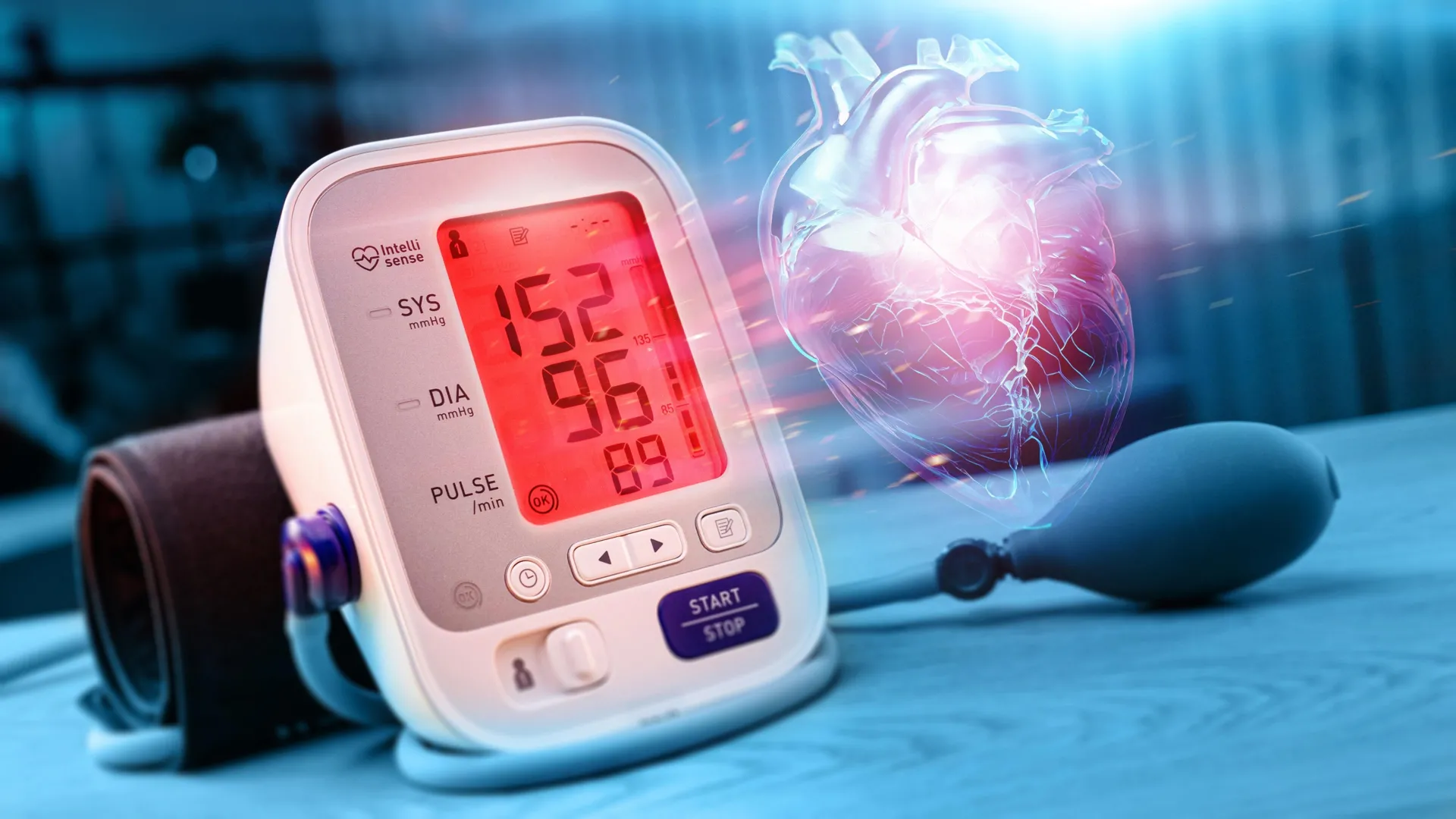
Scientists reveal breakthrough blood pressure treatment that works when others fail
A new treatment has been shown to significantly lower blood pressure in people whose levels stay dangerously high, despite taking several existing medicines, according to the results of a Phase III clinical trial led by a UCL Professor. Globally around 1.3 billion people have high blood pressure (hypertension), and in around half of cases the…
Read More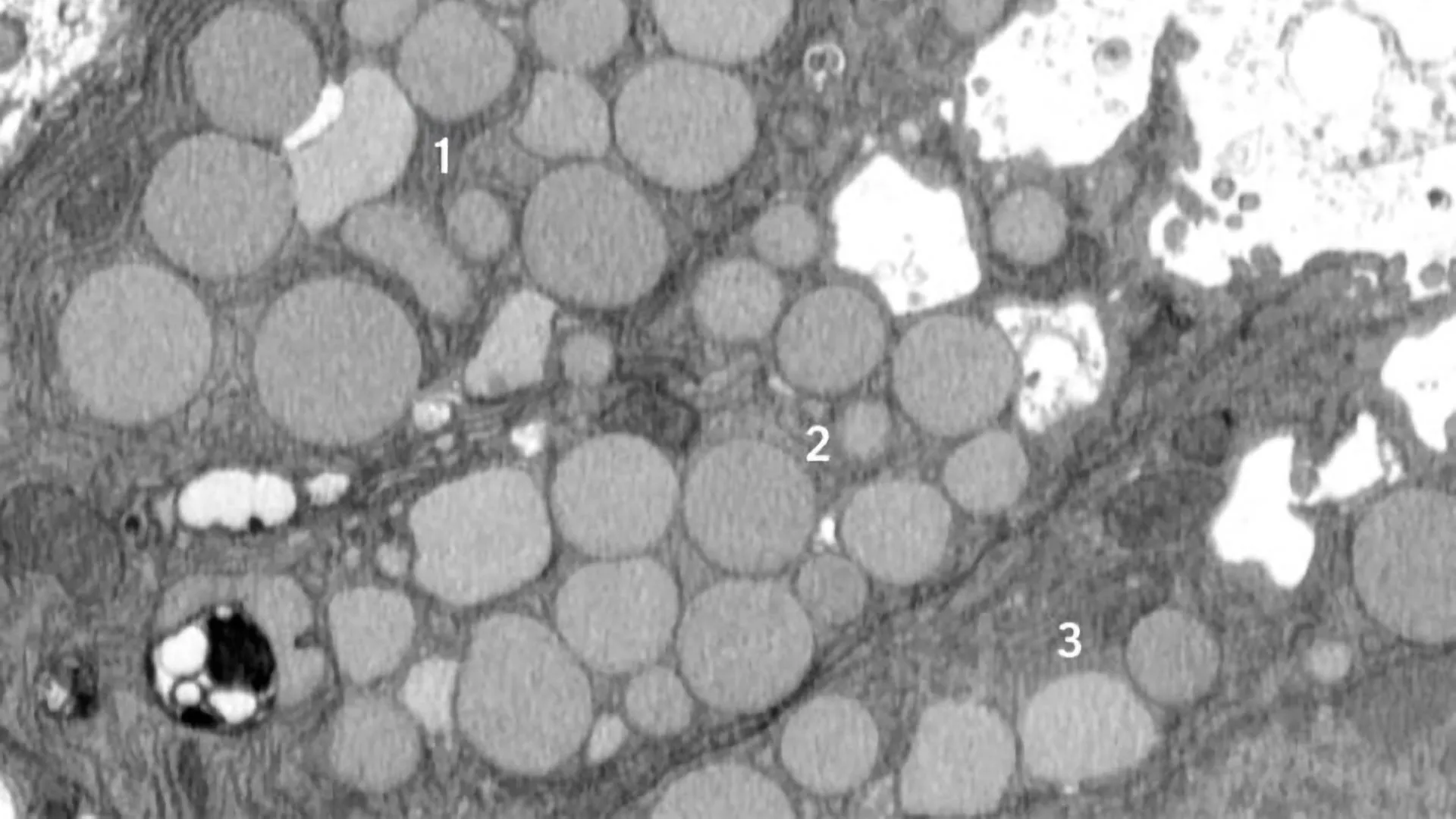
Cells “vomit” waste in a hidden healing shortcut that could also fuel cancer
When injured, cells have well-regulated responses to promote healing. These include a long-studied self-destruction process that cleans up dead and damaged cells as well as a more recently identified phenomenon that helps older cells revert to what appears to be a younger state to help grow back healthy tissue. Now, a new study in mice…
Read More
New AI model predicts which genetic mutations truly drive disease
When genetic testing reveals a rare DNA mutation, doctors and patients are frequently left in the dark about what it actually means. Now, researchers at the Icahn School of Medicine at Mount Sinai have developed a powerful new way to determine whether a patient with a mutation is likely to actually develop disease, a concept…
Read More
In the dark for 11 million years: How blind cavefish rewrote evolution
Small, colorless, and blind, amblyopsid cavefishes inhabit subterranean waters throughout the eastern United States. In a new study, Yale researchers reveal insights into just how these distinctive cave dwellers evolved — and provide a unique method for dating the underground ecosystems where they reside. In an analysis of the genomes of all known amblyopsid species,…
Read More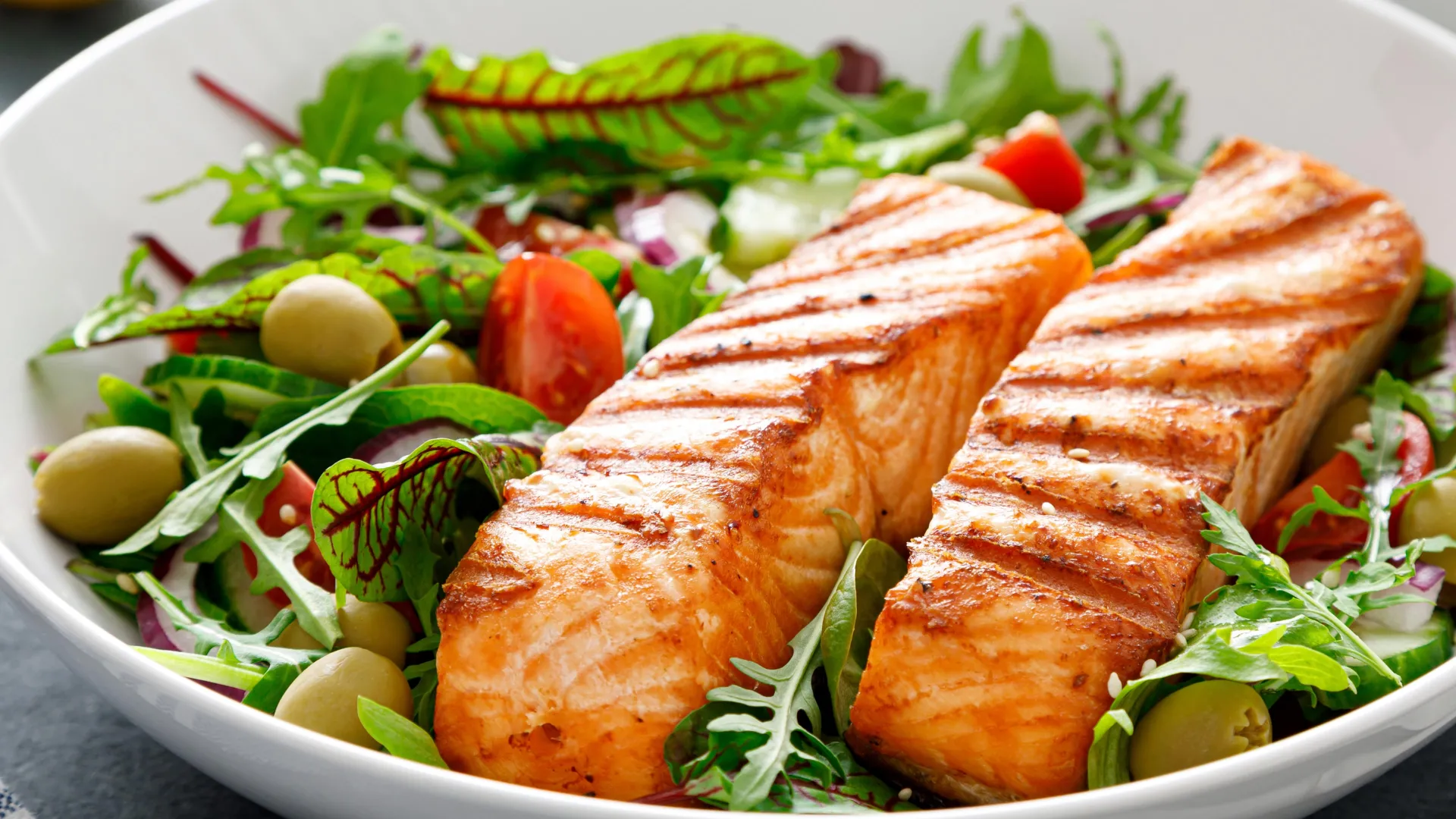
This simple diet could help protect memory, even with Alzheimer’s genes
Researchers found dietary changes may help improve cognitive health and stave off dementia. A new study led by investigators from Mass General Brigham, Harvard T.H. Chan School of Public Health, and the Broad Institute of MIT and Harvard suggests that a Mediterranean-style diet may help reduce dementia risk. The study, published in Nature Medicine, found…
Read More
Cannabis for coping? Why it may trigger paranoia
New research from the Institute of Psychiatry, Psychology & Neuroscience (IoPPN) at King’s College London, in partnership with the University of Bath, has found that the reasons why a person chooses to use cannabis can increase their risk of developing paranoia. The use and potency of cannabis is increasing worldwide, and dependence and cannabis-induced psychosis…
Read More
More likely to be struck by lightning than get tetanus. So why the boosters?
The United States could safely drop tetanus and diphtheria booster shots for adults and save an estimated $1 billion a year, according to a new review led by researchers at Oregon Health & Science University. The safety and savings depend on maintaining strong childhood vaccination rates, researchers emphasized. “By maintaining high childhood vaccination coverage, we…
Read More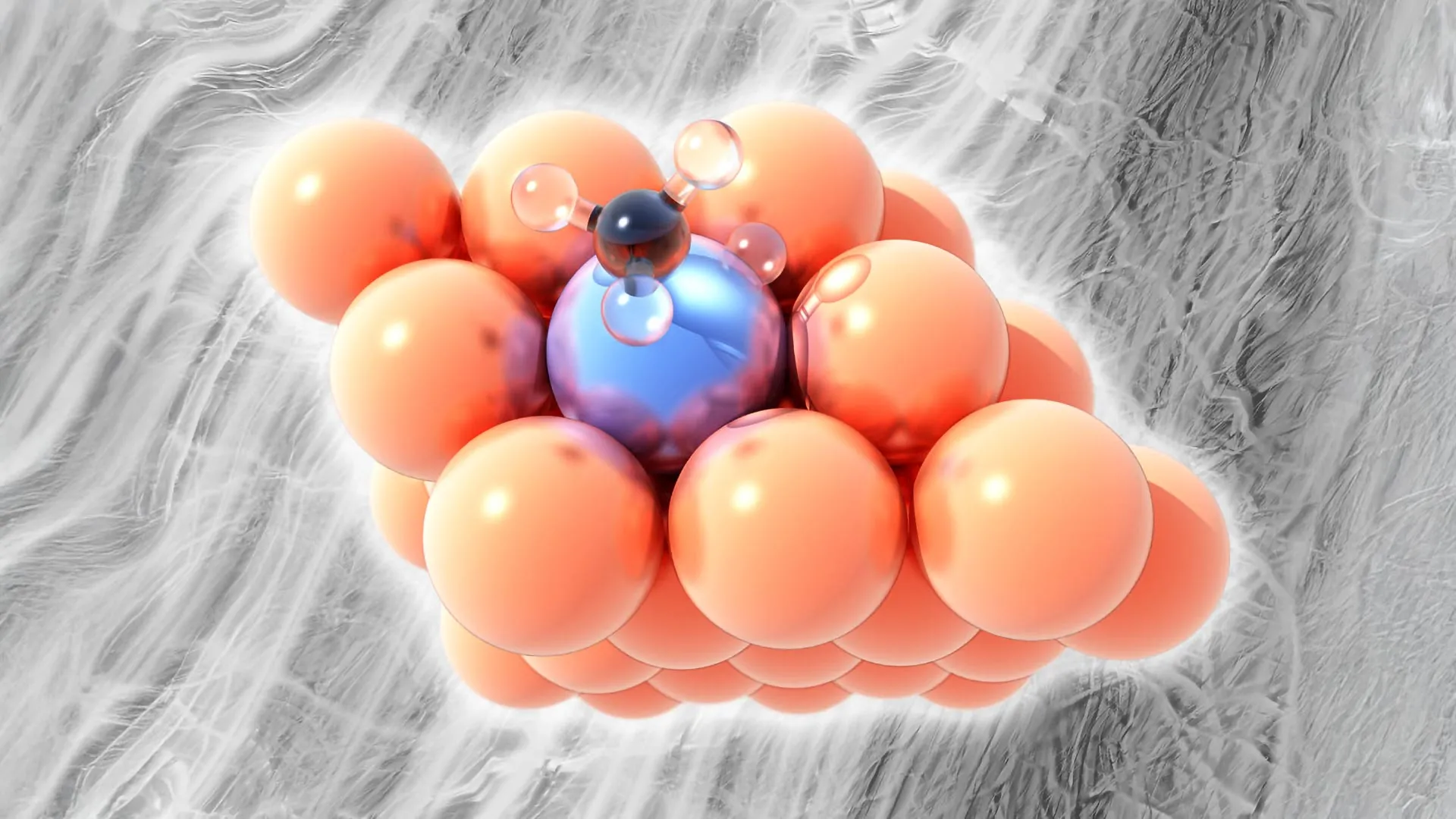
Scientists crack indole’s toughest bond with copper, unlocking new medicines
Indole, a molecule made up of a six-membered benzene ring fused to a five-membered ring containing nitrogen, forms the core structure of many biologically active compounds. Derivatives of indole, where hydrogen atoms are replaced by various chemical groups, are naturally produced by plants, fungi, and even the human body. Due to their properties, indoles have…
Read More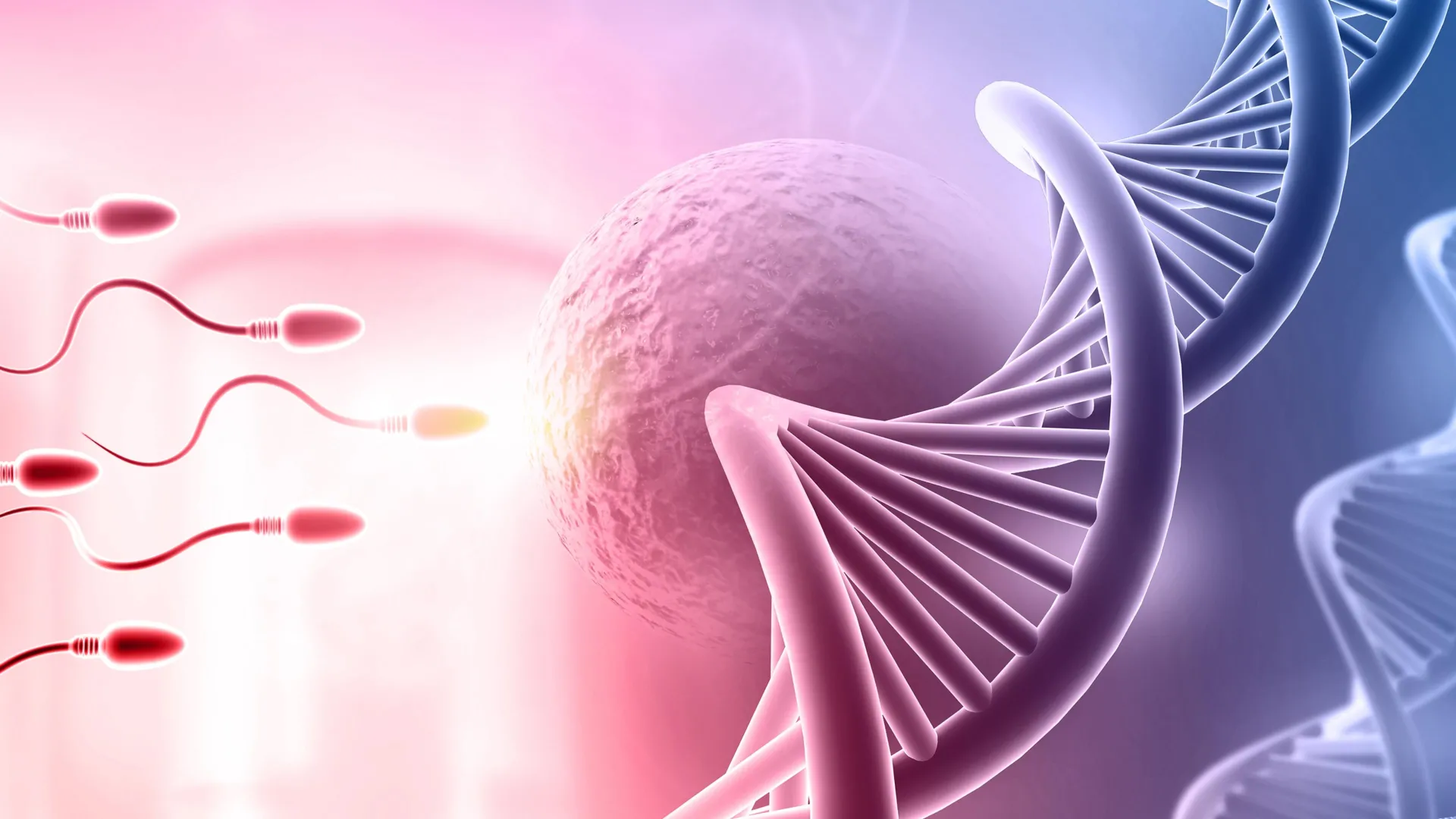
The hidden DNA organizer linking fertility and cancer
A research team at Kyoto University has discovered STAG3-cohesin, a new mitotic cohesin complex that helps establish the unique DNA architecture of spermaotogonial stem cells (SSCs), the stem cells that give rise to sperm. This “DNA organizer” is crucial for sperm production in mice: without STAG3, SSCs cannot differentiate properly, leading to a fertility problem.…
Read More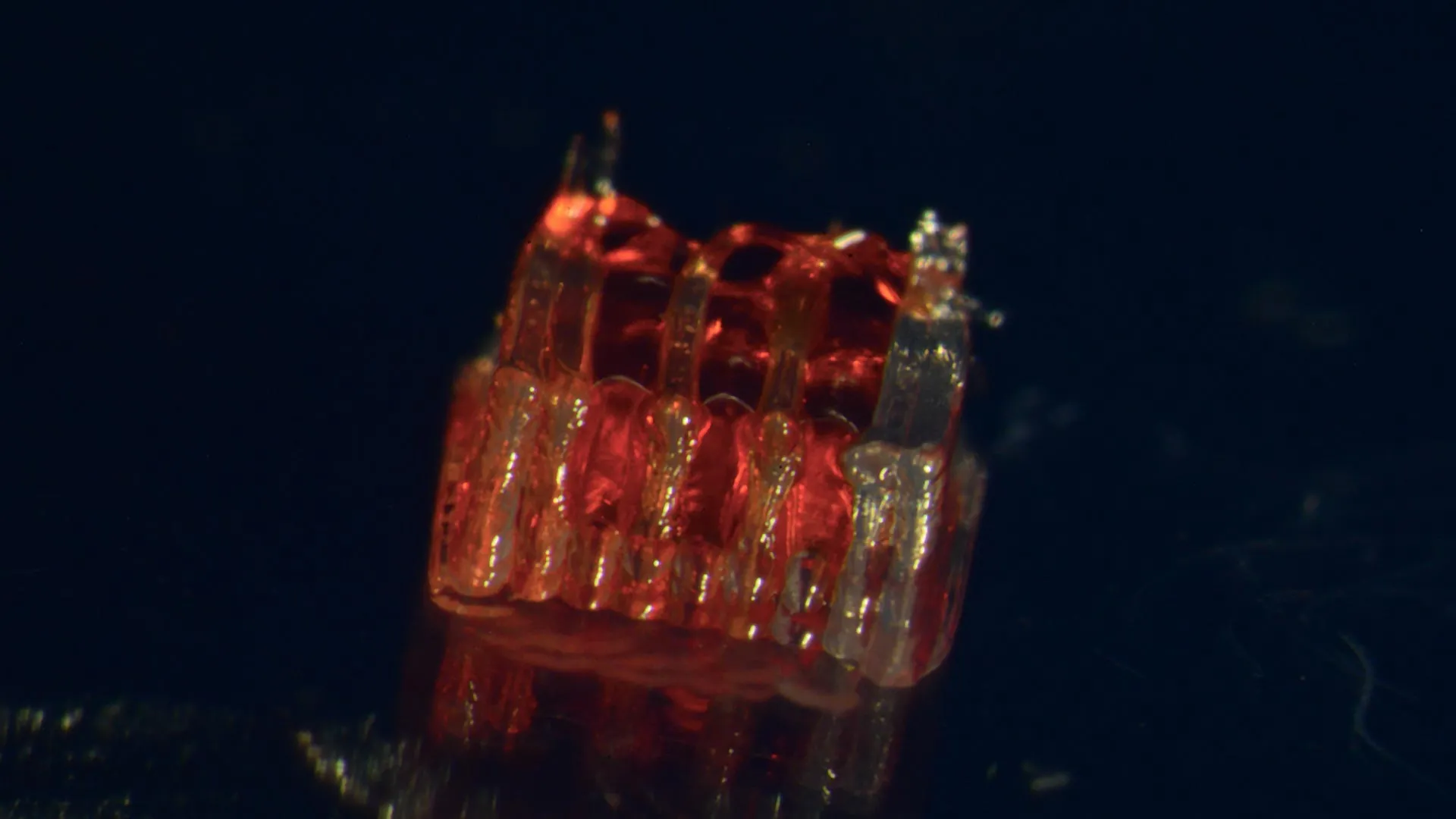
Rats walk again after breakthrough spinal cord repair with 3D printing
For the first time, a research team at the University of Minnesota Twin Cities demonstrated a groundbreaking process that combines 3D printing, stem cell biology, and lab-grown tissues for spinal cord injury recovery. The study was recently published in Advanced Healthcare Materials, a peer-reviewed scientific journal. According to the National Spinal Cord Injury Statistical Center,…
Read More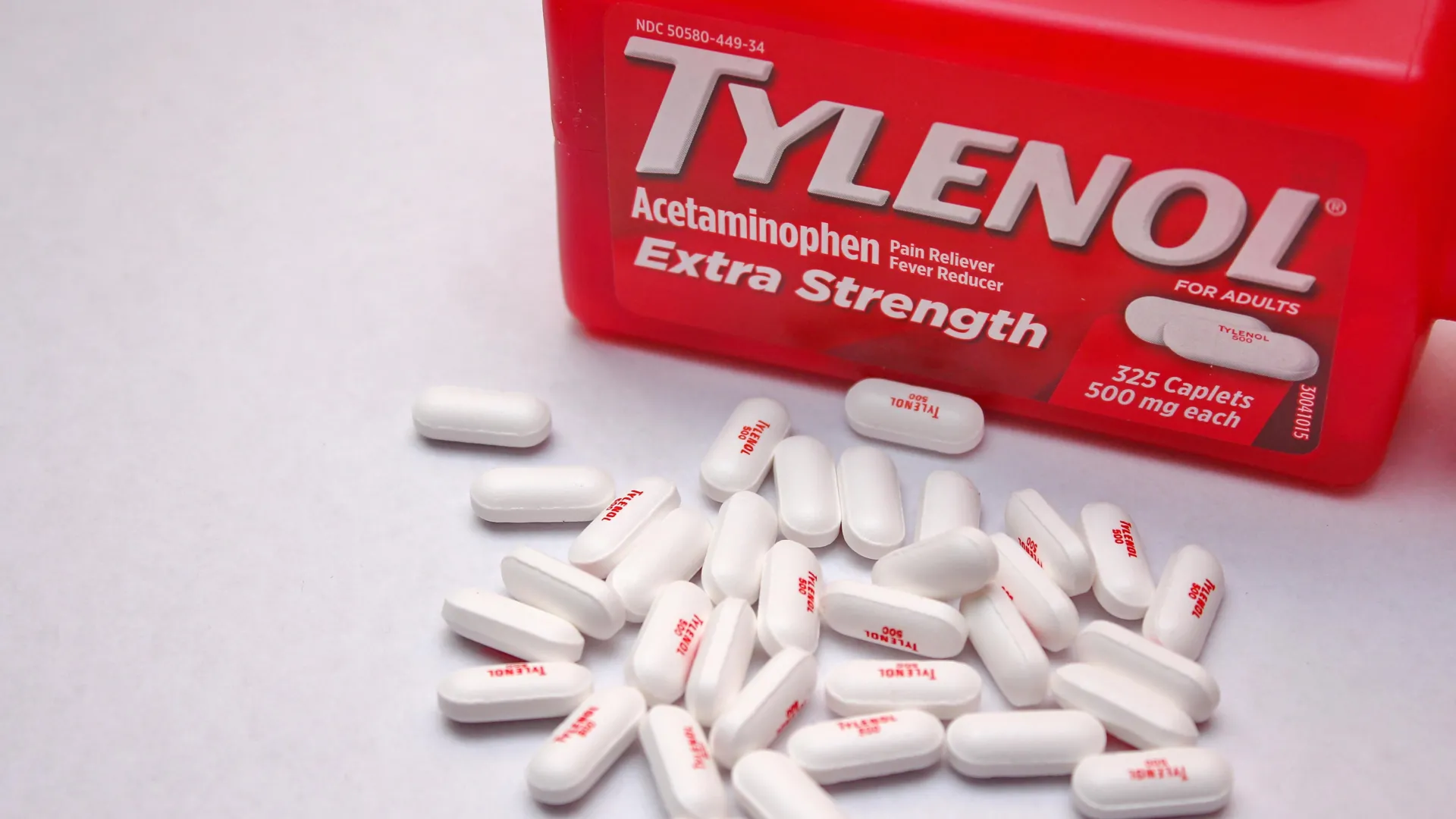
Common painkillers like Advil and Tylenol supercharge antibiotic resistance
Ibuprofen and acetaminophen (paracetamol) are common over-the-counter medications that many of us reach for when we’re sick. But new research from the University of South Australia shows that these trusted staples are quietly fuelling one of the world’s biggest health threats: antibiotic resistance. In the first study of its kind, researchers found that ibuprofen and…
Read More
Eating meat may protect against cancer, landmark research shows
Eating animal-sourced protein foods is not linked to a higher risk of death and may even offer protective benefits against cancer-related mortality, new research finds. The study, published in Applied Physiology, Nutrition, and Metabolism, analyzed data from nearly 16,000 adults aged 19 and older using the National Health and Nutrition Examination Survey (NHAMES III). Researchers…
Read More
Why irregular sleep puts heart failure patients in danger
People recovering from heart failure should consider improving the regularity of their sleep, a study led by Oregon Health & Science University suggests. The research team found that even moderately irregular sleep doubles the risk of having another clinical event within six months, according to a study published on August 21 in the journal JACC Advances.…
Read More
Your brain works overtime at night to burn fat and prevent sugar crashes
The brain controls the release of glucose in a wide range of stressful circumstances, including fasting and low blood sugar levels. However, less attention has been paid to its role in day-to-day situations. In a study published in Molecular Metabolism, University of Michigan researchers have shown that a specific population of neurons in the hypothalamus…
Read More
Tiny green tea beads trap fat and melt away pounds without side effects
Weight-loss interventions, including gastric bypass surgery and drugs that prevent dietary fat absorption, can be invasive or have negative side effects. Now, researchers have developed edible microbeads made from green tea polyphenols, vitamin E and seaweed that, when consumed, bind to fats in the gastrointestinal tract. Preliminary results from tests with rats fed high-fat diets…
Read More
Tiny protein dismantles the toxic clumps behind Alzheimer’s
Scientists at St. Jude Children’s Research Hospital demonstrated for the first time that the protein midkine plays a preventative role against Alzheimer’s disease. Midkine is known to accumulate in Alzheimer’s disease patients. Now, researchers have connected it with amyloid beta, a protein that accumulates in the brain, causing assemblies that are a hallmark of Alzheimer’s.…
Read More
Mysterious “little red dots” could reveal how the first black holes formed
Astronomers at the Center for Astrophysics | Harvard & Smithsonian have proposed a new explanation for some of the universe’s most puzzling early galaxies, nicknamed “little red dots.” In the study, published in The Astrophysical Journal Letters, Authors Fabio Pacucci and Abraham (Avi) Loeb suggest that these galaxies are the result of very slowly spinning…
Read More
A startling omega-3 deficiency may explain women’s Alzheimer’s risk
Omega fatty acids could protect against Alzheimer’s disease in women, new research has found. Analysis of lipids – fat molecules that perform many essential functions in the body – in the blood found there was a noticeable loss of unsaturated fats, such as those that contain omega fatty acids, in the blood of women with…
Read More
Scientists solve 30-year mystery of a hidden nutrient that shields the brain and fights cancer
An international team of scientists, co-led by researchers at the University of Florida and Trinity College Dublin, has cracked a decades-old mystery in human biology: how our bodies absorb a micronutrient that we rely on for everything from healthy brain function to cancer defense. Queuosine – pronounced “cue-o-scene” – is a vitamin-like micronutrient that we…
Read More
A safe painkiller? New research raises concerns about Tylenol’s safety in pregnancy
Researchers at the Icahn School of Medicine at Mount Sinai have found that prenatal exposure to acetaminophen may increase the risk of neurodevelopmental disorders, including autism spectrum disorder and attention-deficit/hyperactivity disorder (ADHD), in children. The study, published on August 14 in BMC Environmental Health, is the first to apply the rigorous Navigation Guide methodology to systematically…
Read More
Stunning galaxy blooms with pink nebulae in Hubble’s new image
Today’s NASA/ESA Hubble Space Telescope Picture of the Week offers a closeup of a nearby spiral galaxy. The subject is NGC 2835, which lies 35 million light-years away in the constellation Hydra (The Water Snake). A previous Hubble image of this galaxy was released in 2020, and the NASA/ESA/CSA James Webb Space Telescope turned its…
Read More
Scientists just found a protein that reverses brain aging
Aging is particularly harsh on the hippocampus — the brain region responsible for learning and memory. Now, researchers at UC San Francisco have identified a protein that’s at the center of this decline. They looked at how the genes and proteins in the hippocampus changed over time in mice and found just one that differed…
Read More
Tiny microbes may secretly rewire the brain before birth
Microbes, or microorganisms, are all around us and play an important role in bodily functions. MSU researchers found that microbes can also impact brain development. This work is significant because modern obstetric practices like peripartum antibiotic use and Cesarean delivery disturb the microbiome of mothers and newborns. New research from Michigan State University finds that…
Read More
This overlooked trait could explain anxiety and depression in millions
The meta-analysis of 33 studies, the first of its kind, looked at the relationship between sensitivity and common mental health problems such as depression and anxiety. Researchers found there was a significant, positive relationship between the two, concluding that highly sensitive people are more likely to experience depression and anxiety compared to those who are…
Read More
A new cancer vaccine just wiped out tumors in mice
An experimental mRNA vaccine boosted the tumor-fighting effects of immunotherapy in a mouse-model study, bringing researchers one step closer to their goal of developing a universal vaccine to “wake up” the immune system against cancer. Published recently in Nature Biomedical Engineering, the University of Florida study showed that like a one-two punch, pairing the test vaccine…
Read More
Forget LASIK: Safer, cheaper vision correction could be coming soon
Millions of Americans have altered vision, ranging from blurriness to blindness. But not everyone wants to wear prescription glasses or contact lenses. Accordingly, hundreds of thousands of people undergo corrective eye surgery each year, including LASIK — a laser-assisted surgery that reshapes the cornea and corrects vision. The procedure can result in negative side effects,…
Read More
Global study reveals the surprising habit behind tough decisions
An international study surveying people in a dozen countries found that when it comes to making complex decisions, people all over the world tend to reflect on their own, rather than seek advice. Researchers from the University of Waterloo led the new study that surveyed more than 3,500 people from megacities to small Indigenous communities…
Read More
Trojan horse bacteria sneak cancer-killing viruses into tumors
Researchers at Columbia Engineering have built a cancer therapy that makes bacteria and viruses work as a team. In a study published recently in Nature Biomedical Engineering, the Synthetic Biological Systems Lab shows how their system hides a virus inside a tumor-seeking bacterium, smuggles it past the immune system, and unleashes it inside cancerous tumors. The…
Read More
Scientists may have found the tiny DNA switch that made us human
Research from scientists at University of California San Diego School of Medicine have shed new light on an age-old question: what makes the human brain unique? The team’s discovery comes from their investigation of human-accelerated regions (HARs) — sections of the human genome that have accumulated an unusually high level of mutations as humans have…
Read More
One small walking adjustment could delay knee surgery for years
Nearly a quarter of people over the age of 40 experience painful osteoarthritis, making it a leading cause of disability in adults. Osteoarthritis degrades joint-cushioning cartilage, and there is currently no way of reversing this damage: the only option is to manage pain with medication, and eventually, joint replacement. Researchers from the University of Utah,…
Read More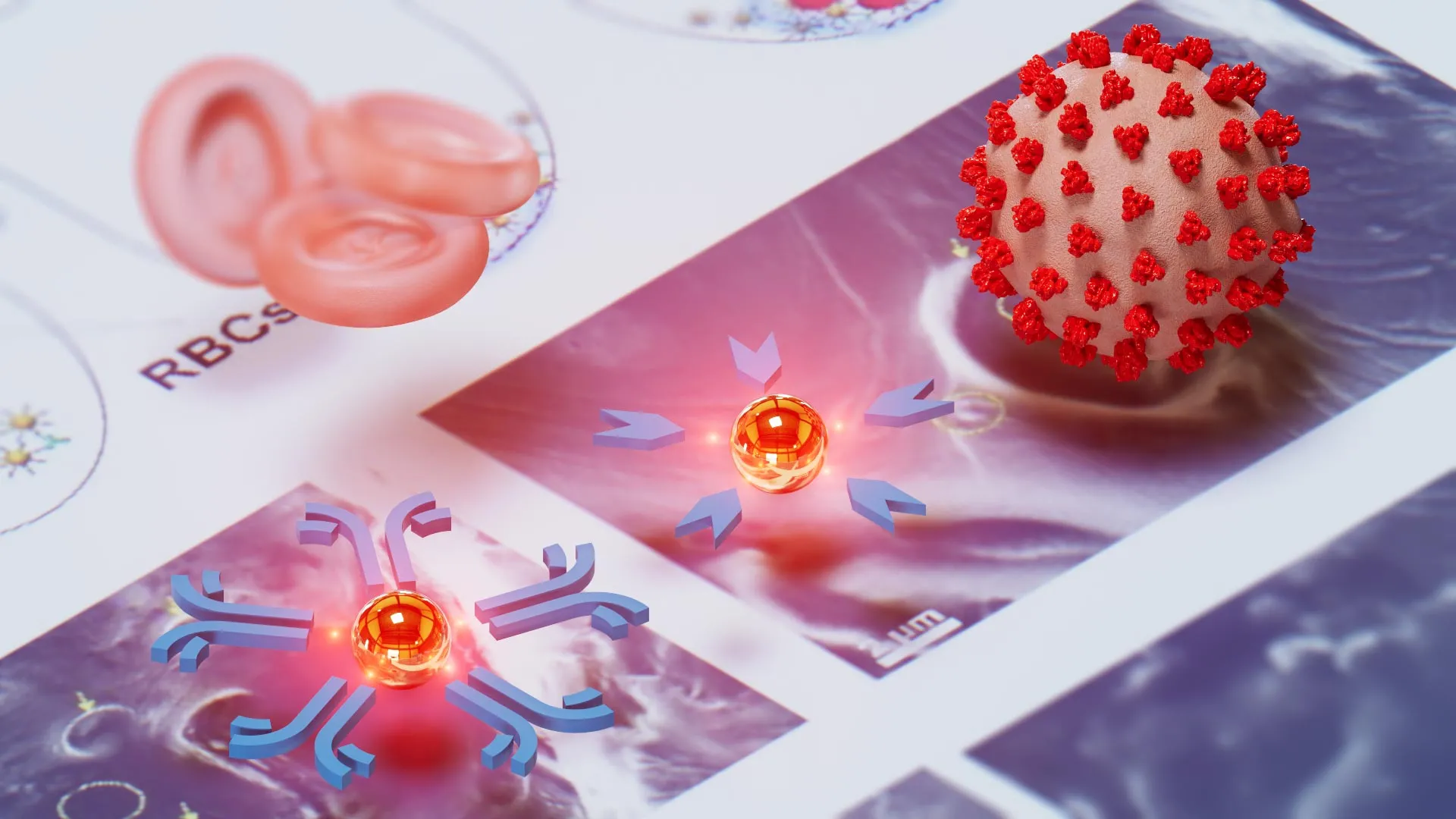
A $2 gold nanotech test that detects deadly diseases in minutes
Researchers at Arizona State University have developed a breakthrough diagnostic tool that could transform how quickly and reliably we detect illnesses like COVID-19, Ebola, AIDS or Lyme disease. The test uses just a single drop of blood, costs a couple of dollars and delivers results in only 15 minutes. In a new study, the researchers…
Read More
Blood pressure cuff errors may be missing 30% of hypertension cases
Researchers have found why common cuff-based blood pressure readings are inaccurate and how they might be improved, which could improve health outcomes for patients. High blood pressure, or hypertension, is the top risk factor for premature death, associated with heart disease, strokes and heart attacks. However, inaccuracies in the most common form of blood pressure…
Read More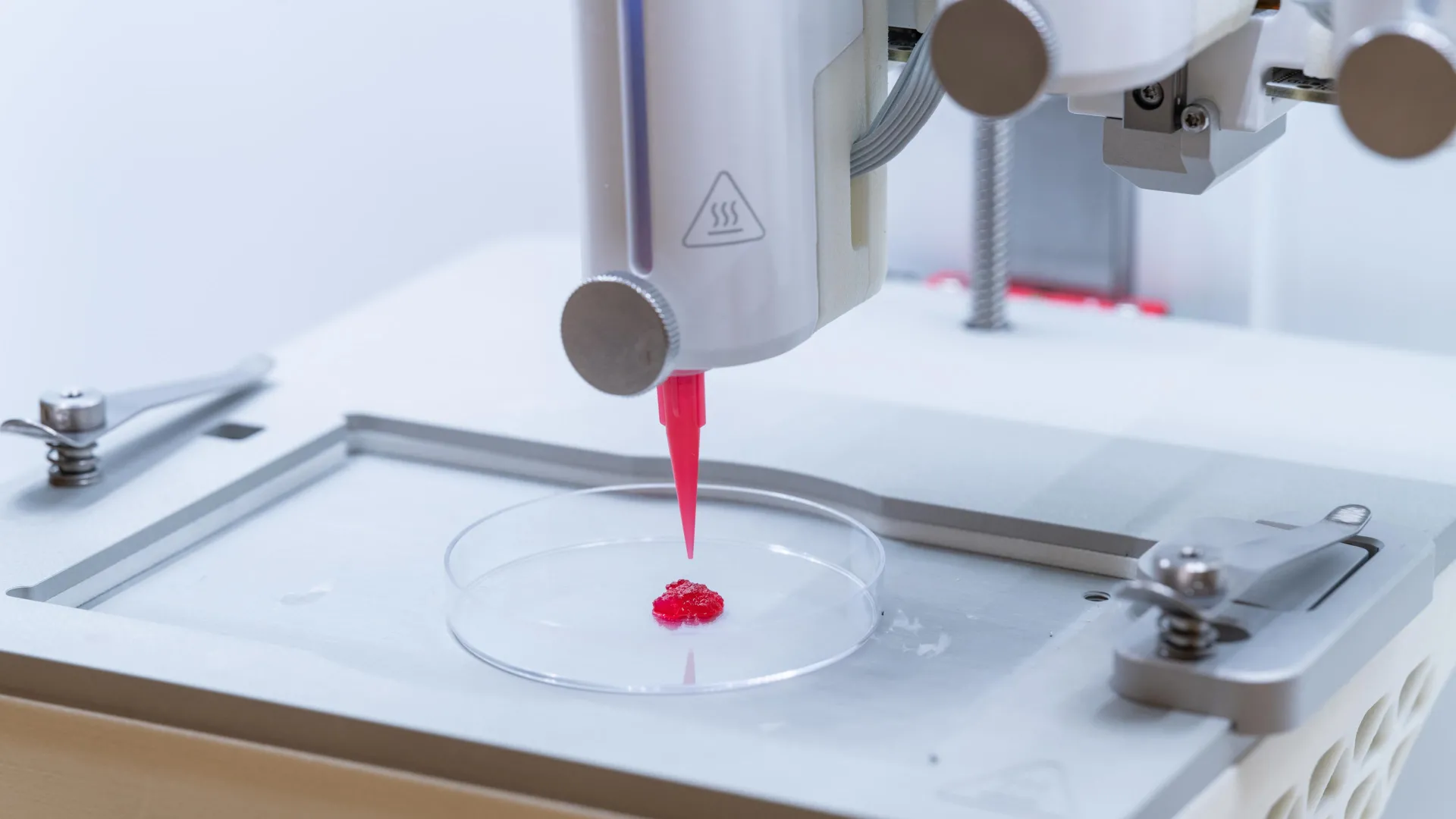
Injectable “skin in a syringe” could heal burns without scars
Researchers have created what could be called “skin in a syringe.” The gel containing live cells can be 3D printed into a skin transplant, as shown in a study conducted on mice. This technology may lead to new ways to treat burns and severe wounds. The study was led from the Center for Disaster Medicine…
Read More
How cats with dementia could help crack the Alzheimer’s puzzle
Cats with dementia have brain changes similar to those of people with Alzheimer’s disease, offering a valuable model for studying the condition in humans, a study says. Scientists discovered a build-up of the toxic protein amyloid-beta in the brains of cats with the condition – one of the defining features of Alzheimer’s disease. The findings…
Read More
The surprising brain chemistry behind instant friendships
A new UC Berkeley study shows that the so-called love hormone, oxytocin, is also critical for the formation of friendships. Oxytocin is released in the brain during sex, childbirth, breastfeeding and social interactions and contributes to feelings of attachment, closeness and trust. Never mind that it’s also associated with aggression; the hormone is commonly referred…
Read More
The 30-minute workout that could slash cancer cell growth by 30%
A single bout of either resistance or high intensity interval training could help in the cancer battle, new research from Edith Cowan University (ECU) has found. ECU PhD student Mr Francesco Bettariga found that a single bout of exercise increased the levels of myokines, a protein produced by muscles which have anti-cancer effects, and which…
Read More
Scientists detect virus traces in blood that may unlock long COVID’s mystery
Researchers from the Translational Genomics Research Institute (TGen), part of City of Hope, and the Lundquist Institute for Biomedical Innovation at Harbor-UCLA Medical Center have identified a potential biomarker for long COVID. If the findings of their study are confirmed by other research centers, the biomarker could be the first specific and quantifiable indicator for…
Read More
The hidden mental health danger in today’s high-THC cannabis
Science News from research organizations Date: August 12, 2025 Source: Canadian Medical Association Journal Summary: THC levels in cannabis have soared in recent years, raising the risk of psychosis—especially in young, frequent users. Studies reveal a strong connection between cannabis-induced psychosis and schizophrenia, making early cessation and treatment essential. Share: FULL STORY Stronger cannabis is…
Read More
The parasite that turns off your body’s pain alarm and sneaks in
New research, published in The Journal of Immunology, discovered that a parasitic worm suppresses neurons in the skin to evade detection. The researchers suggest that the worm likely evolved this mechanism to enhance its own survival, and that the discovery of the molecules responsible for the suppression could aid in the development of new painkillers.…
Read More
Losing weight but gaining weakness? What Ozempic might be doing to your muscles
As use of the popular anti-diabetic and weight-loss drug Ozempic skyrockets, so have concerns about the medication’s side effects. One such side effect is loss of “lean mass” — body weight that isn’t fat — raising concerns that Ozempic could be reducing muscle mass and strength. New research in mice suggests that muscle mass changes…
Read More
How much damage are ultraprocessed foods really doing to your health?
Most ultraprocessed foods (UPFs) are characterized by poor nutritional quality, contributing to excessive calories, and are typically high in saturated fats, added sugars and sodium (salt), the combination of which is often abbreviated as HFSS, which contribute to adverse cardiometabolic health outcomes, including heart attack, stroke, obesity, inflammation, Type 2 diabetes and vascular complications. Observational…
Read More The hidden ways light at night damages your brain, mood, and metabolism
In a comprehensive Genomic Press Innovators & Ideas interview published today, distinguished neuroscientist Dr. Randy J. Nelson shares insights from his pioneering research on how disrupted circadian rhythms affect brain function and overall health. The interview, published in Brain Medicine, traces Dr. Nelson’s unconventional path from farm work and autopsy assistant to becoming one of…
Read More
Scientists crack the mystery of brain cell clumps, and make them vanish
Look inside a brain cell with Huntington’s disease or ALS and you are likely to find RNA clumped together. These solid-like clusters, thought to be irreversible, can act as sponges that soak up surrounding proteins key for brain health, contributing to neurological disorders. How these harmful RNA clusters form in the first place has remained…
Read More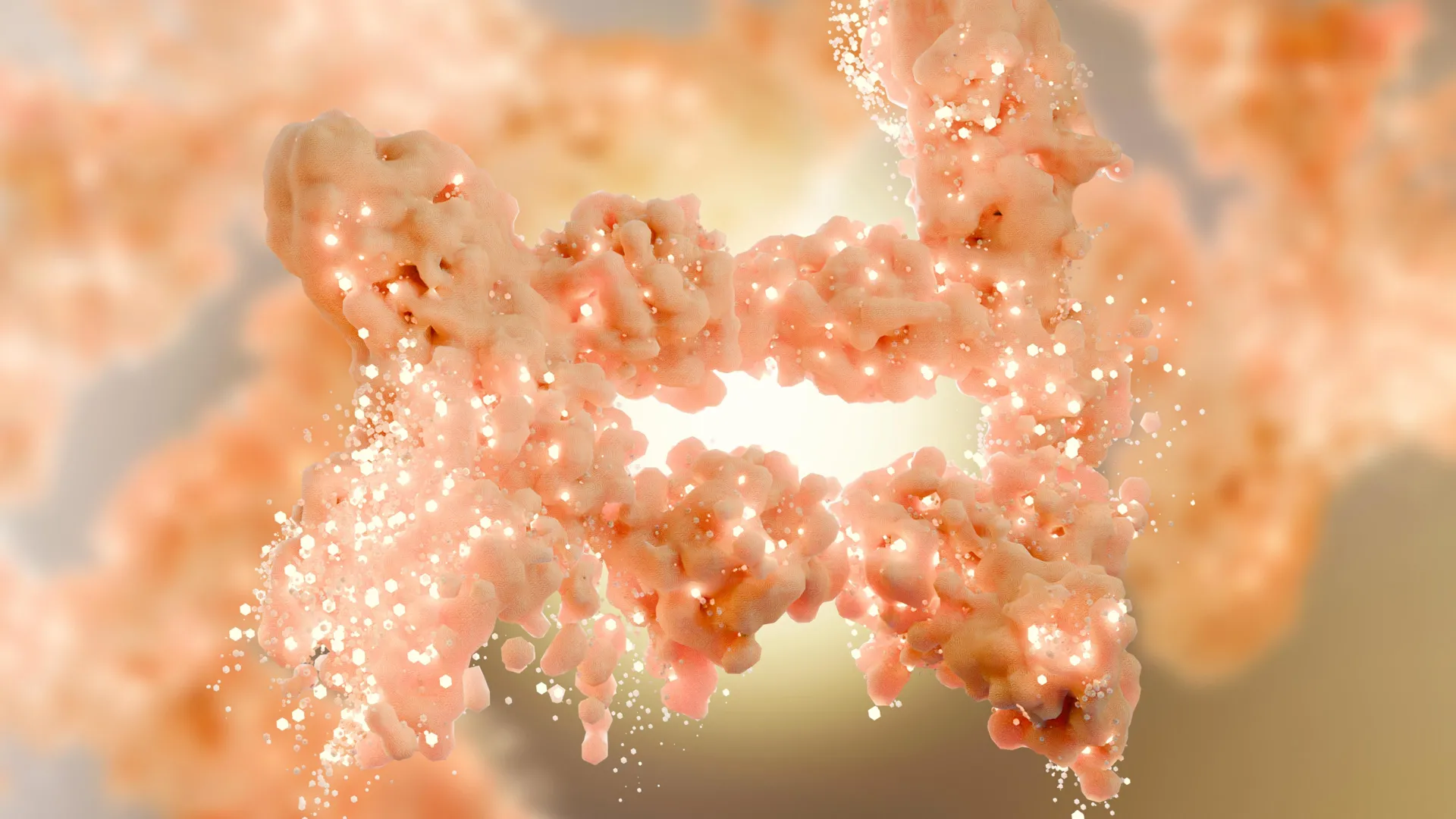
Scientists discover amino acid switch that turns fat into a calorie-burning furnace
Consuming fewer calories is largely accepted as a way to improve health and lose weight, but a recently published study in Nature Metabolism points to a specific sulfur-containing amino acid cysteine as a key component in weight loss. In the study “Cysteine depletion triggers adipose tissue thermogenesis and weight loss,” researchers discovered that when study…
Read More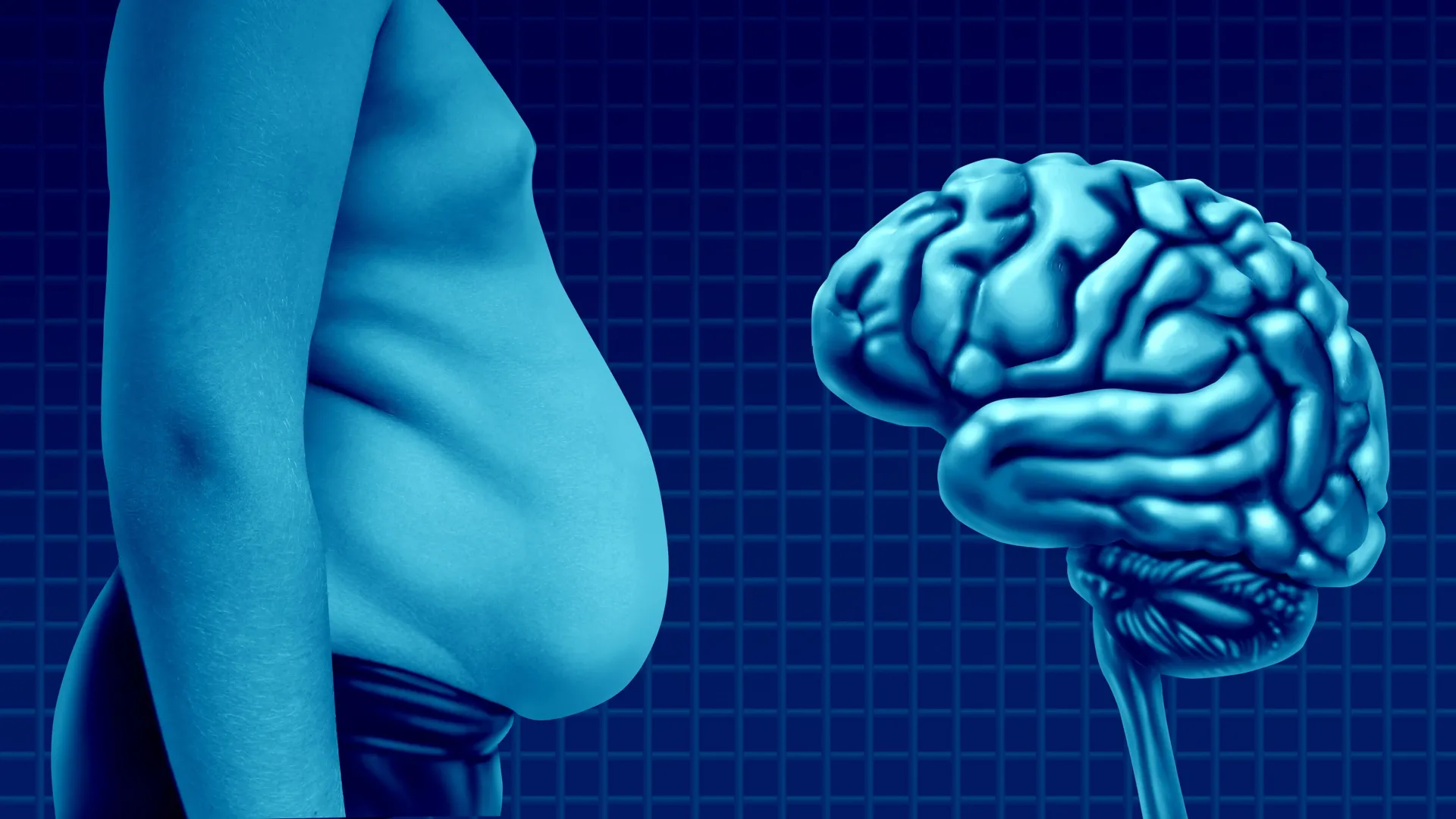
Scientists find brain cell switch that could reverse obesity’s effects
Researchers show astrocytes can be tuned to reverse some obesity-driven brain and metabolic changes, revealing untapped therapeutic potential. Credit: Shutterstock Fatty diets and obesity affect the structure and function of astrocytes1, the star-shaped brain cells located in the striatum, a brain region involved in the perception of pleasure generated by food consumption. What is even…
Read More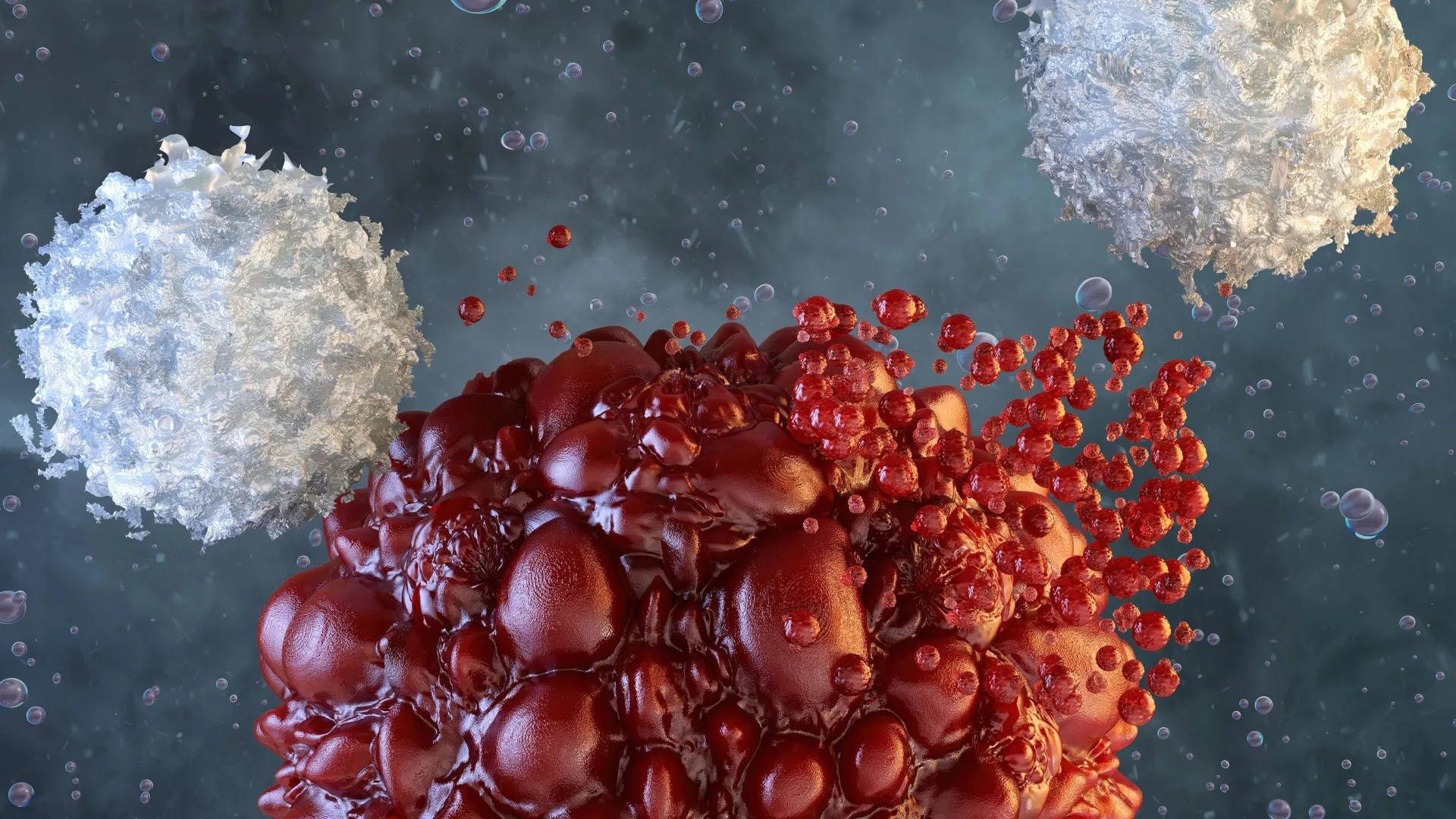
Starving tumors makes cancer treatment work better
Cancer cells and tumors do not exist in a vacuum. Far from the isolation and self-sufficiency of the fictional Wakanda, tumors develop in and alter the nearby milieu of immune cells, connective tissue, blood vessels and a sea of proteins and carbohydrates that provide structure and other supportive functions. Cancer cells interact with this neighborhood…
Read More
This common fruit has over 1,600 compounds that boost brain, heart, and gut health
A new article appearing in the current issue of the peer-reviewed Journal of Agriculture and Food Chemistry explores the concept of “superfoods” and makes a case that fresh grapes have earned what should be a prominent position in the superfood family. The author, leading resveratrol and cancer researcher John M. Pezzuto, Ph.D., D.Sc., Dean of…
Read More
Scientists found the gene that makes Aussie skinks immune to deadly snake venom
A University of Queensland-led study has found Australian skinks have evolved molecular armor to stop snake venom from shutting down their muscles. Professor Bryan Fry from UQ’s School of the Environment said revealing exactly how skinks dodge death could inform biomedical approaches to treating snakebite in people. “What we saw in skinks was evolution at…
Read More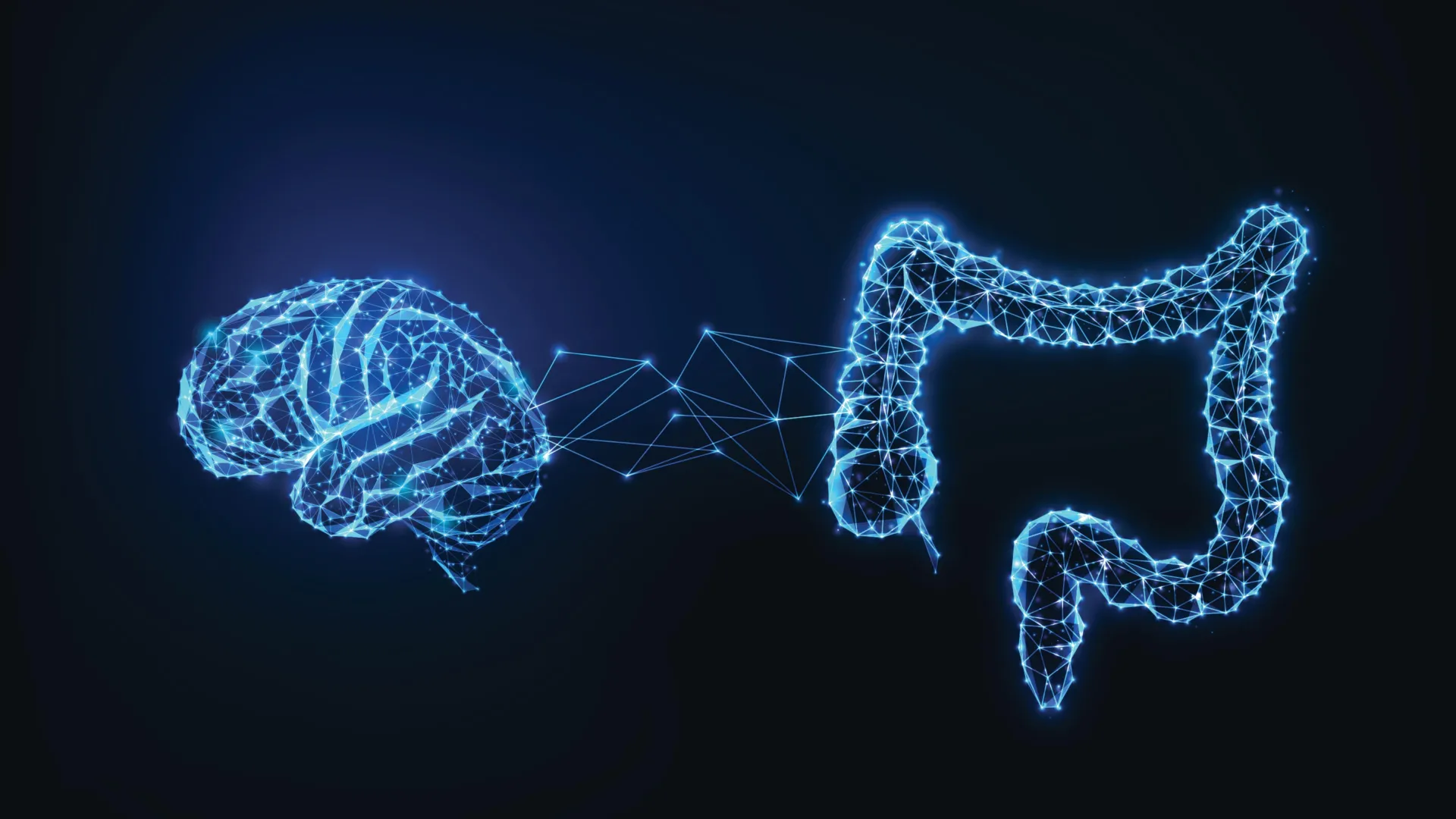
Scientists uncover hidden gut ‘sense’ that talks to your brain
In a breakthrough that reimagines the way the gut and brain communicate, researchers have uncovered what they call a “neurobiotic sense,” a newly identified system that lets the brain respond in real time to signals from microbes living in our gut. The new research, led by Duke University School of Medicine neuroscientists Diego Bohórquez, PhD,…
Read More
Johns Hopkins scientists grow a mini human brain that lights up and connects like the real thing
Johns Hopkins University researchers have grown a novel whole-brain organoid, complete with neural tissues and rudimentary blood vessels — an advance that could usher in a new era of research into neuropsychiatric disorders such as autism. “We’ve made the next generation of brain organoids,” said lead author Annie Kathuria, an assistant professor in JHU’s Department…
Read More
This diet helped people lose twice as much weight, without eating less
When given nutritionally matched diets, participants lost twice as much weight eating minimally processed foods compared to ultra-processed foods, suggesting that cutting down on processing could help to sustain a healthy weight long term, finds a new clinical trial led by researchers at UCL and UCLH. The study, published in Nature Medicine, is the first…
Read More
Lupus often fades with age. Scientists finally know why
Lupus is a “classic” autoimmune disease. It causes the immune system’s first-line viral defenses — known as interferons — to attack the body. Nearly every organ is at risk, leading to conditions like kidney and heart disease. But unlike many other autoimmune or chronic illnesses, lupus can improve as patients reach their 60s and 70s.…
Read More
Researchers discover key social factors that triple long COVID risk
Mass General Brigham investigators led a nationwide study that found that financial hardship, food insecurity, lack of healthcare access, and other social risk factors are linked to higher risks of long COVID. Long COVID includes a wide range of symptoms that present or persist three or more months after SARS-CoV-2 infection. Although in recent years…
Read More
This vaccine uses dental floss instead of needles
Researchers have demonstrated a novel vaccine delivery method in an animal model, using dental floss to introduce vaccine via the tissue between the teeth and gums. The testing found that the new technique stimulates the production of antibodies in mucosal surfaces, such as the lining of the nose and lungs. “Mucosal surfaces are important, because…
Read More
Breakthrough lung cancer treatment supercharges immune cells with mitochondria
While chemotherapy remains a cornerstone of lung cancer treatment, it often weakens the immune system it relies on for long-term control. Now, researchers have found a way to turn this weakness into strength — by transplanting healthy mitochondria into the tumor environment. In advanced non-small cell lung cancer (NSCLC), combining mitochondrial transplantation with cisplatin not…
Read More
Hidden gene in leukemia virus could revolutionize HIV treatment
A research team from Kumamoto University has made a groundbreaking discovery that reveals how the human T-cell leukemia virus type 1 (HTLV-1) silently persists in the body, potentially laying the foundation for new therapeutic approaches. Their findings, published on May 13, 2025, in Nature Microbiology, identify a previously unknown genetic “silencer” element that keeps the…
Read More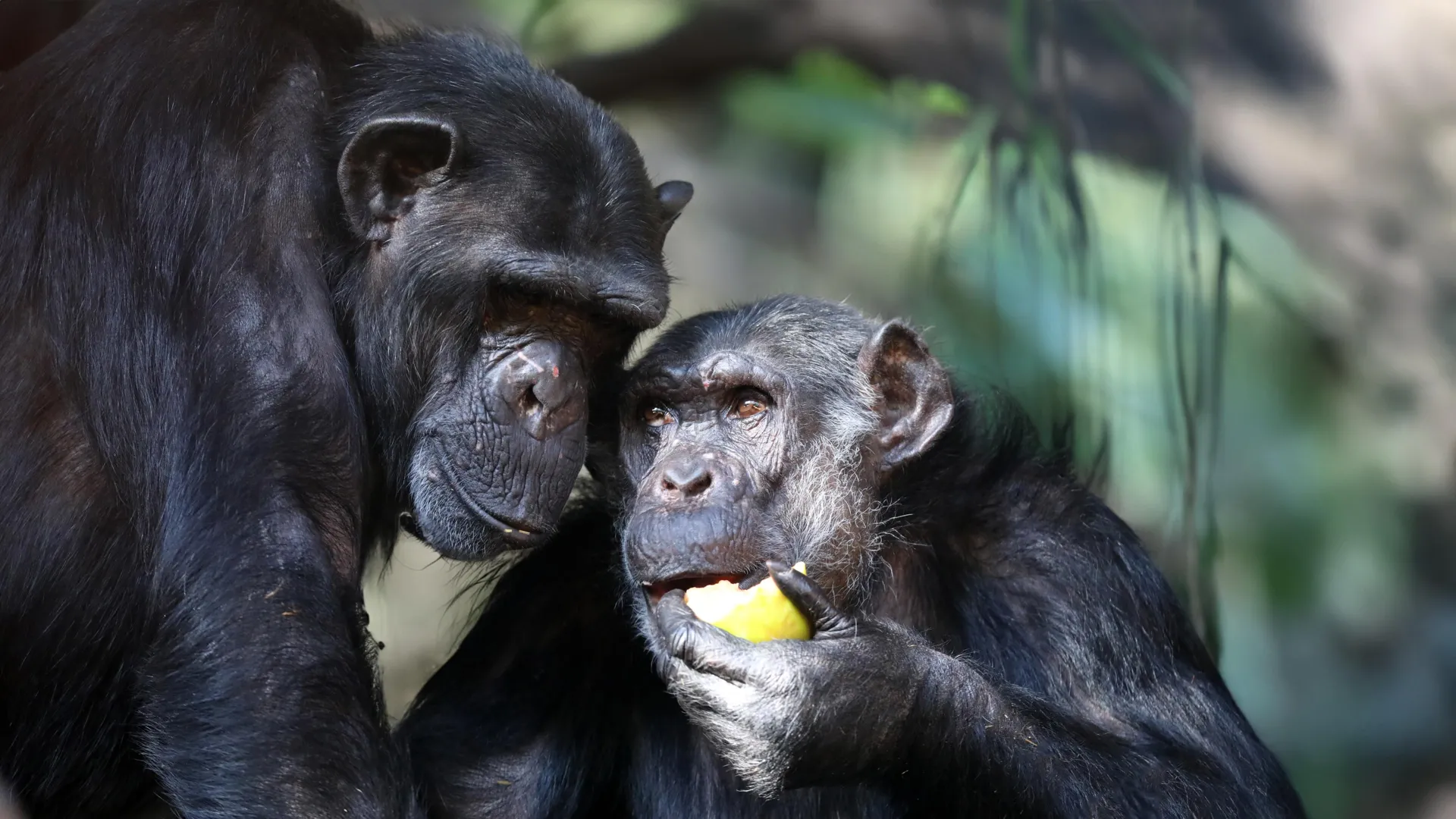
Did drunk apes help us evolve? New clues reveal why we digest alcohol so well
If scientists are to better understand whether the genes that let us safely welcome the weekend with a cold beer or enjoy a bottle of wine with dinner began with apes eating fermented fruit, then the habit needs a name, according to a new study. “Scrumping” is the name coined in a paper led by…
Read More
Found in the trash: A super opioid 1000x stronger than morphine
A synthetic opioid 1000 times more potent than morphine is infiltrating the street drug trade in Adelaide, Australia, sparking fears of a wave of overdoses that could be lethal. In the first study of its kind in South Australia, University of South Australia researchers have detected traces of nitazene in samples of discarded injecting equipment,…
Read More
Fat melts away—but so does muscle: What Ozempic users need to know
Popular GLP-1 drugs help many people drop tremendous amounts of weight, but the drugs fail to provide a key improvement in heart and lung function essential for long-term good health, University of Virginia experts warn in a new paper. The researchers emphasize that weight loss associated with GLP-1 drugs has many clear health benefits for…
Read More
Reversing Alzheimer’s damage: Two cancer drugs demonstrate surprising power
Scientists at UC San Francisco and Gladstone Institutes have identified cancer drugs that promise to reverse the changes that occur in the brain during Alzheimer’s, potentially slowing or even reversing its symptoms. The study first analyzed how Alzheimer’s disease altered gene expression in single cells in the human brain. Then, researchers looked for existing drugs…
Read More
Columbia scientists turn yogurt into a healing gel that mimics human tissue
Researchers from Columbia Engineering have established a framework for the design of bioactive injectable hydrogels formulated with extracellular vesicles (EVs) for tissue engineering and regenerative medicine applications. Published on July 25 in Matter, Santiago Correa, assistant professor of biomedical engineering at Columbia Engineering, and his collaborators describe an injectable hydrogel platform that uses EVs from milk…
Read More
This gut hormone could explain 40% of IBS-D cases—and lead to a cure
High levels of a hormone found in cells in the gut could underlie many cases of chronic diarrhea and help explain up to 40% of cases of patients with irritable bowel syndrome with diarrhea, according to a new study led by scientists at the University of Cambridge. The research, published in the journal Gut, could…
Read More
Walk faster, live longer: How just 15 minutes a day can boost lifespan
Regular walking is widely recognized for its significant benefits to overall health and well-being. Previous research has primarily focused on middle-to-high-income White populations. Now, a novel analysis using data from the Southern Community Cohort Study, involving 79,856 predominantly low-income and Black individuals across 12 southeastern US states, confirms the benefits of regular walking, especially at…
Read More
Your sleep schedule could be making you sick, says massive new study
A groundbreaking international study, recently published in Health Data Science, analyzed objective sleep data from 88,461 adults in the UK Biobank and found significant associations between sleep traits and 172 diseases. The research, led by teams from Peking University and Army Medical University, highlights sleep regularity — such as bedtime consistency and circadian rhythm stability…
Read More
7000 steps a day cuts death risk by 47%—and that might be all you need
A major new study led by the University of Sydney suggests that walking 7000 steps a day offers similar health benefits across several outcomes as walking 10,000. il 7000 steps, at which point the benefits began to taper off A major new study led by the University of Sydney suggests that walking 7000 steps a…
Read More
Is the air you breathe silently fueling dementia? A 29-million-person study says yes
An analysis of studies incorporating data from almost 30 million people has highlighted the role that air pollution – including that coming from car exhaust emissions – plays in increased risk of dementia. Dementias such as Alzheimer’s disease are estimated to affect more than 57.4 million people worldwide, a number that is expected to almost…
Read More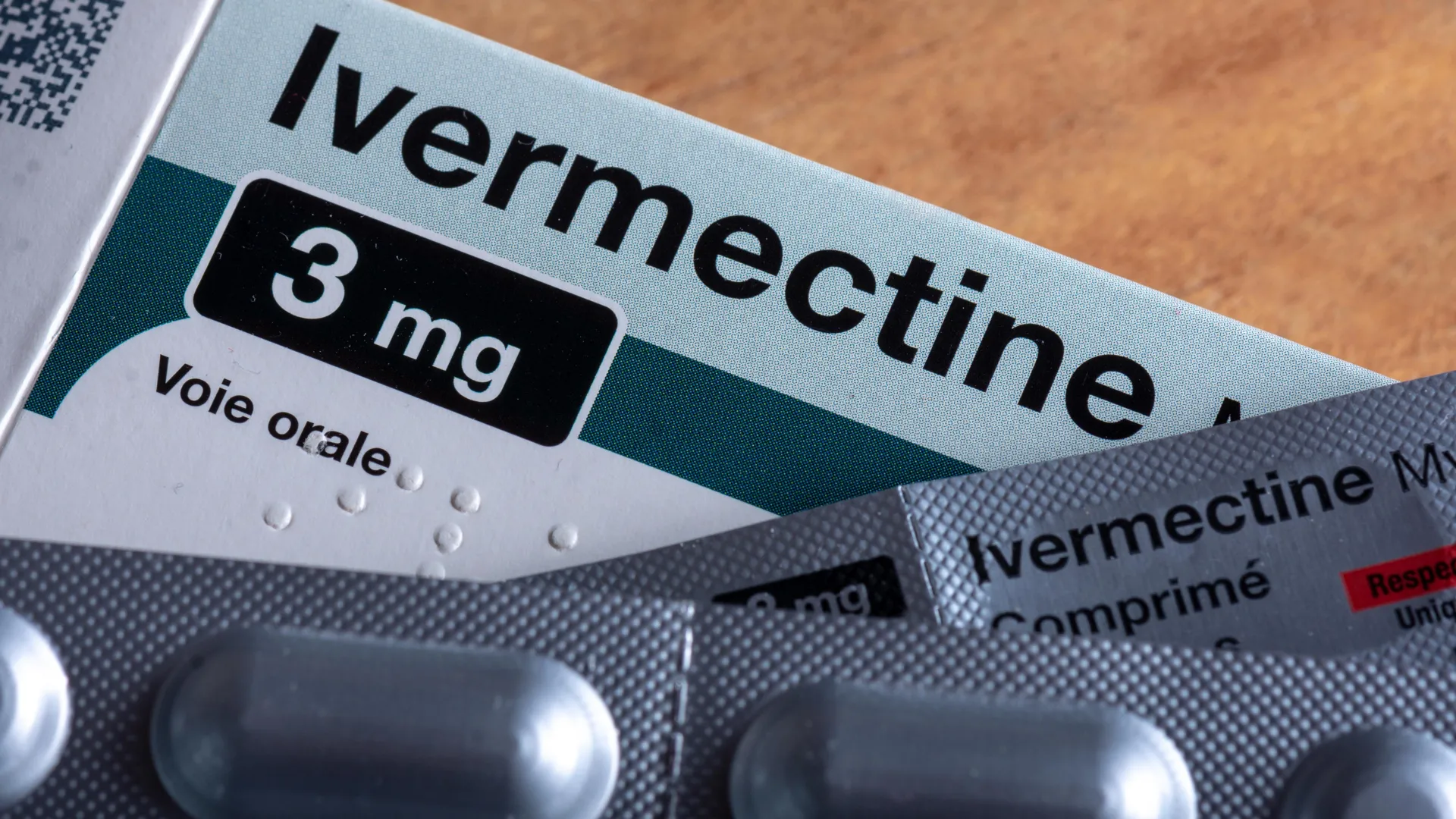
Ivermectin: The mosquito-killing pill that dropped malaria by 26%
Ivermectin administered to the whole population significantly reduces malaria transmission, offering new hope in the fight against the disease. The BOHEMIA trial, the largest study on ivermectin for malaria to date, showed a 26% reduction in new malaria infection on top of existing bed nets, providing strong evidence of ivermectin’s potential as a complementary tool…
Read More
This DNA test can predict if a 5-year-old will be obese as an adult
What if we could prevent people from developing obesity? The World Obesity Federation expects more than half the global population to develop overweight or obesity by 2035. However, treatment strategies such as lifestyle change, surgery and medications are not universally available or effective. By drawing on genetic data from over five million people, an international…
Read More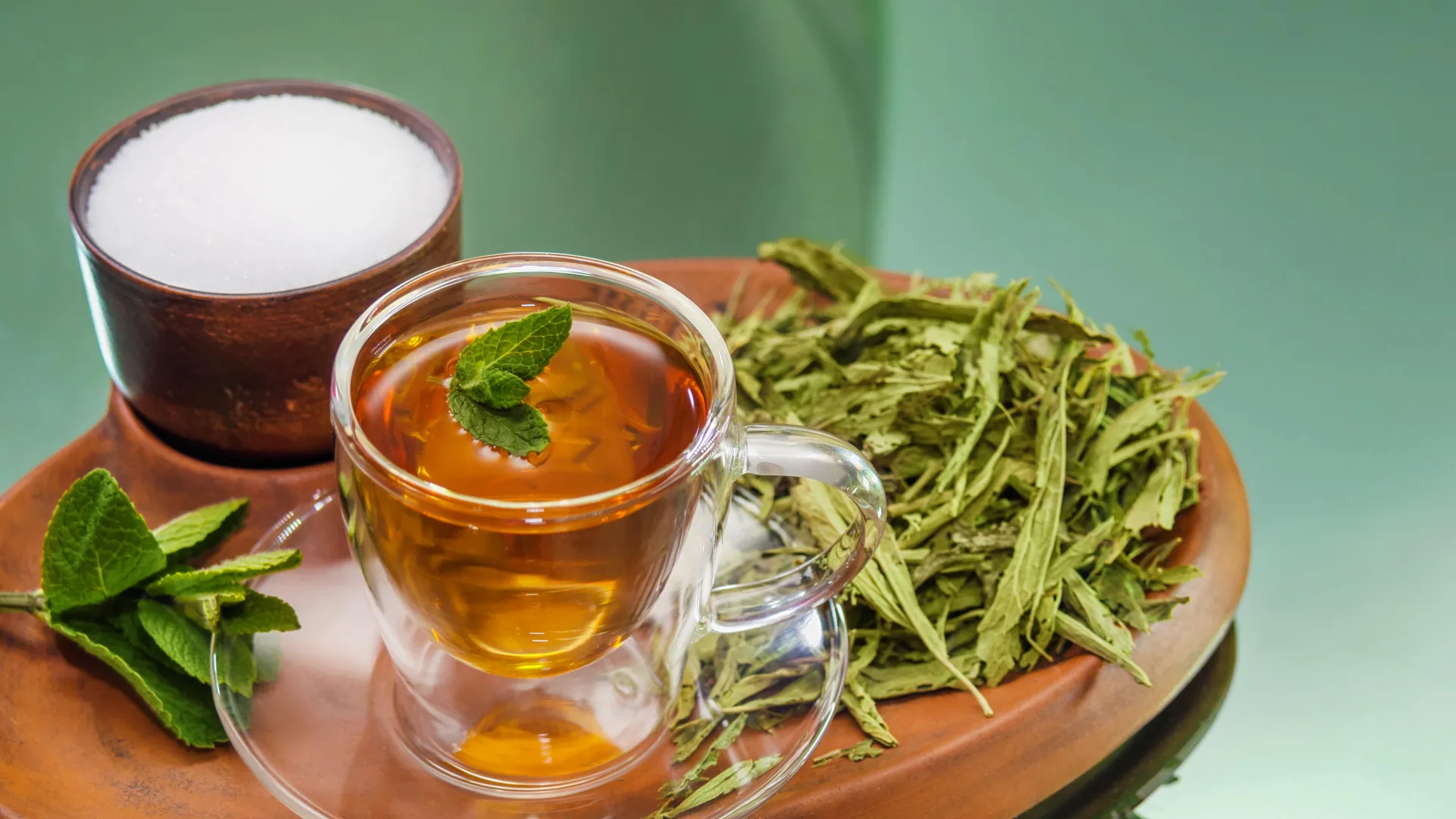
This sugar substitute does more than sweeten — it kills cancer cells
Stevia may provide more benefits than as a zero-calorie sugar substitute. When fermented with bacteria isolated from banana leaves, stevia extract kills off pancreatic cancer cells but doesn’t harm healthy kidney cells, according to a research team at Hiroshima University. The researchers published their findings in the International Journal of Molecular Sciences. “Globally, the incidence…
Read More
This bedtime snack swap could rewire your gut and help prevent diabetes
Prediabetes affects a third of people in the United States and most of them will develop Type 2 diabetes, yet effective dietary intervention strategies remain limited. Pistachios have shown promise in improving markers of diet quality, yet little is known about how they influence the gut microbiome — a key player in glucose regulation and…
Read More
Even without catching COVID, the pandemic may have quietly aged your brain
A new study, led by experts at the University of Nottingham, has found that the Covid-19 pandemic may have accelerated people’s brain health, even if they were never infected with the virus. What does it mean to grow older, not just in years, but in terms of brain health? Can stress, isolation, and global disruption…
Read More
New genetic test predicts obesity before you start kindergarten
A new genetic analysis using data from over five million people has provided a clearer understanding of the risk of going on to live with obesity. New research led by the Universities of Copenhagen and Bristol shows analyzing genes at a young age may support early strategies to prevent obesity developing later in life. The…
Read More
The fungus that makes bread better for you
New research in Plants, People, Planet indicates that bread wheat’s micronutrient content can be increased by cultivating it with a specific type of fungus. When investigators grew different types of wheat with and without the arbuscular mycorrhizal fungus Rhizophagus irregularis, they observed that crops grown with fungi developed larger grains with greater amounts of phosphorus…
Read More
Magic mushrooms rewind aging in mice—could they do the same for humans?
As revenues from the anti-aging market — riddled with hope and thousands of supplements– surged past $500 million last year, Emory University researchers identified a compound that actively delays aging in cells and organisms. A newly published study in Nature Partner Journals’ Aging demonstrates that psilocin, a byproduct of consuming psilocybin, the active ingredient in…
Read More
Teen bats are spawning new viruses—here’s why scientists are paying close attention
New research by the University of Sydney offers important insights into how and when new coronavirus variants arise in bats. Bats are beneficial to our ecosystems and economy but, as habitat destruction and environmental stressors put them in closer proximity to humans, disease risks can emerge. The research, published in Nature Communications on July 17,…
Read More
A tiny chemistry hack just made mRNA vaccines safer, stronger, and smarter
As millions of people know firsthand, the most common side effect of mRNA vaccines like the COVID-19 shot is inflammation: soreness, redness and a day or two of malaise. But what if mRNA vaccines could be redesigned to sidestep that response altogether? In a new paper in Nature Biomedical Engineering, researchers at the University of…
Read More
One pregnancy shot slashes baby RSV hospitalizations by 72% — and shields for months
Vaccination of pregnant women has been linked to a drop in newborns being admitted to hospital with a serious lung infection, research suggests. Researchers found the respiratory syncytial virus (RSV) vaccine, introduced across the UK in late summer 2024, led to a 72 percent reduction in babies hospitalized with the virus if mothers were vaccinated.…
Read More
Why Trump’s leg swelling could be a warning sign for millions
In light of reports from the White House that President Donald J. Trump has been diagnosed with Chronic Venous Insufficiency (CVI), the American Heart Association is sharing important information on the condition and its association with cardiovascular risk factors, disease and increased risk of death. According to the Association, the world’s leading nonprofit organization focused…
Read More
Doctors used music instead of medication—what they saw in dementia patients was remarkable
A new treatment that uses music therapy on dementia wards could improve care and support for some of the NHS’s most vulnerable patients. Researchers at Anglia Ruskin University (ARU) and Cambridgeshire and Peterborough NHS Foundation Trust have piloted a music therapy approach called MELODIC, across two NHS dementia wards. More alternatives to psychotropic medication are…
Read More
Dirty water, warm trucks, and the real reason romaine keeps making us sick
E. coli outbreaks in romaine lettuce have long been a public health concern. and now a new Cornell University paper suggests that a combination of efforts in the field, and even postharvest techniques, can minimize risk to human health. Co-authored by Renata Ivanek, a professor in the department of population medicine and diagnostic sciences, and…
Read More
Popular sugar substitute linked to brain cell damage and stroke risk
From low-carb ice cream to keto protein bars to “sugar-free” soda, the decades-old sweetener erythritol is everywhere. But new University of Colorado Boulder research shows the popular sugar substitute and specialty food additive comes with serious downsides, impacting brain cells in numerous ways that can boost risk of stroke. The study was published in the…
Read More
CRISPR uncovers gene that supercharges vitamin D—and stops tumors in their tracks
Vitamin D is not only an essential nutrient, but also the precursor of the hormone calcitriol, indispensable for health: it regulates the uptake of phosphate and calcium necessary for bones by the intestines, as well as cell growth and the proper function of muscles, nerve cells, and the immune system. Now, researchers have shown for…
Read More
Three-person DNA IVF stops inherited disease—eight healthy babies born in UK first
The UK’s pioneering licensed IVF technique to reduce the risk of mitochondrial diseases carried out in Newcastle has seen eight babies born, published research shows. All eight babies show no signs of having mitochondrial DNA disease. The babies, four girls and four boys, including one set of identical twins, were born to seven women at…
Read More
Tai chi, yoga, and jogging rival pills for beating insomnia
Yoga, Tai Chi, walking and jogging may be the best forms of exercise to improve sleep quality and ease insomnia, suggest the findings of a comparative pooled data analysis published in the online journal BMJ Evidence Based Medicine. The findings back the use of exercise as a primary treatment strategy for poor sleep patterns, say…
Read More
Cognitive collapse and the nuclear codes: When leaders lose control
Many former leaders of the world’s nine nuclear-armed nations were impaired by health conditions while in office, raising concerns over their decision-making abilities while they had access to nuclear weapon launch codes, a study from the University of Otago, New Zealand, has found. The study analyzed the health information of 51 deceased leaders of nuclear-armed…
Read More
Dogs can detect Parkinson’s years before symptoms—with 98% accuracy
People with Parkinson’s disease (PD) have an odour that can be reliably detected from skin swabs by trained dogs, a new study has shown. The research, in collaboration with Medical Detection Dogs and the Universities of Bristol and Manchester, was published on July 15 in The Journal of Parkinson’s Disease. Two dogs were trained by…
Read More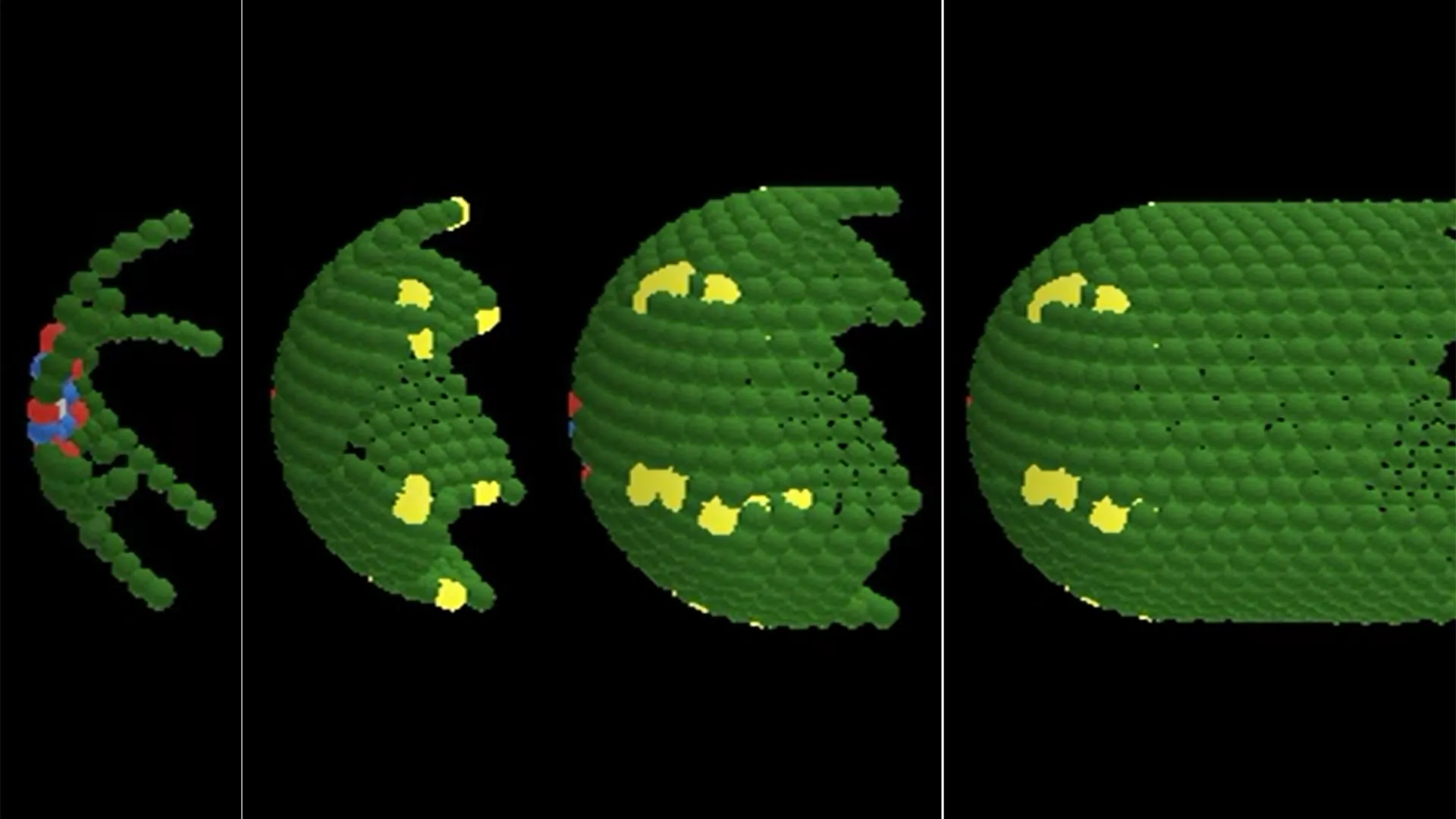
New study cracks the “tissue code” — just five rules shape organs
Every day, your body replaces billions of cells — and yet, your tissues stay perfectly organized. How is that possible? A team of researchers at ChristianaCare’s Helen F. Graham Cancer Center & Research Institute and the University of Delaware believe they’ve found an answer. In a new study published in the scientific journal Biology of…
Read More
Semaglutide melts fat—but may quietly strip away your strength
Women and older adults taking the anti-obesity drug semaglutide may be at higher risk for muscle loss, but higher protein intake may help prevent muscle loss in these patients, according to a small study presented at ENDO 2025, the Endocrine Society’s annual meeting in San Francisco, Calif. Losing muscle (or lean mass) is a common…
Read More Fasting twice a week could be a game-changer for type 2 diabetes
Intermittent energy restriction, time-restricted eating and continuous energy restriction can all improve blood sugar levels and body weight in people with obesity and type 2 diabetes, according to a study presented at ENDO 2025, the Endocrine Society’s annual meeting in San Francisco, California. “This study is the first to compare the effects of three different…
Read More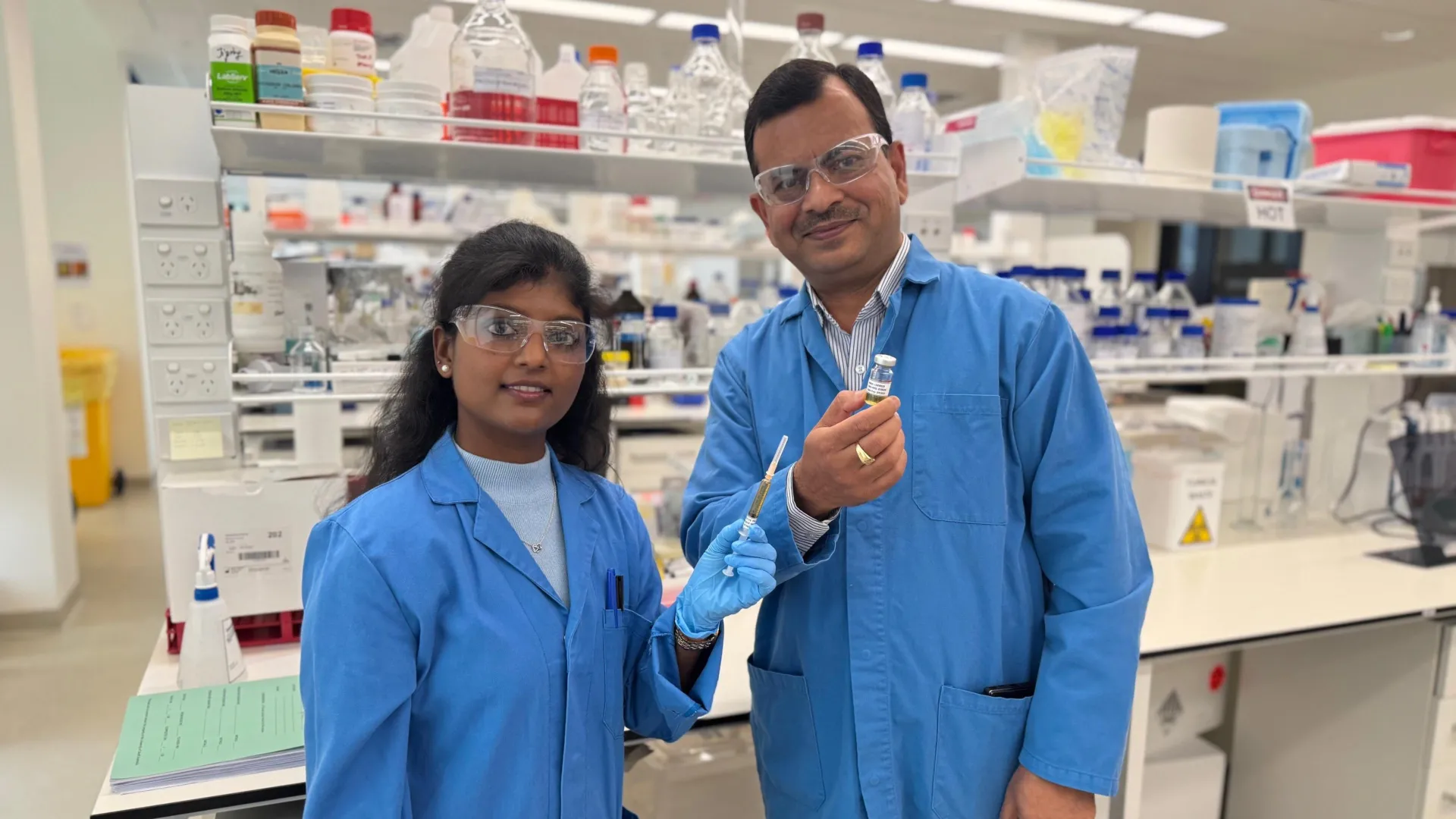
One shot, seven days: Long-acting levodopa gel tackles Parkinson’s tremors
A new weekly injectable drug could transform the lives of more than eight million people living with Parkinson’s disease, potentially replacing the need for multiple daily tablets. Scientists from the University of South Australia (UniSA) have developed a long-acting injectable formulation that delivers a steady dose of levodopa and carbidopa – two key medications for…
Read More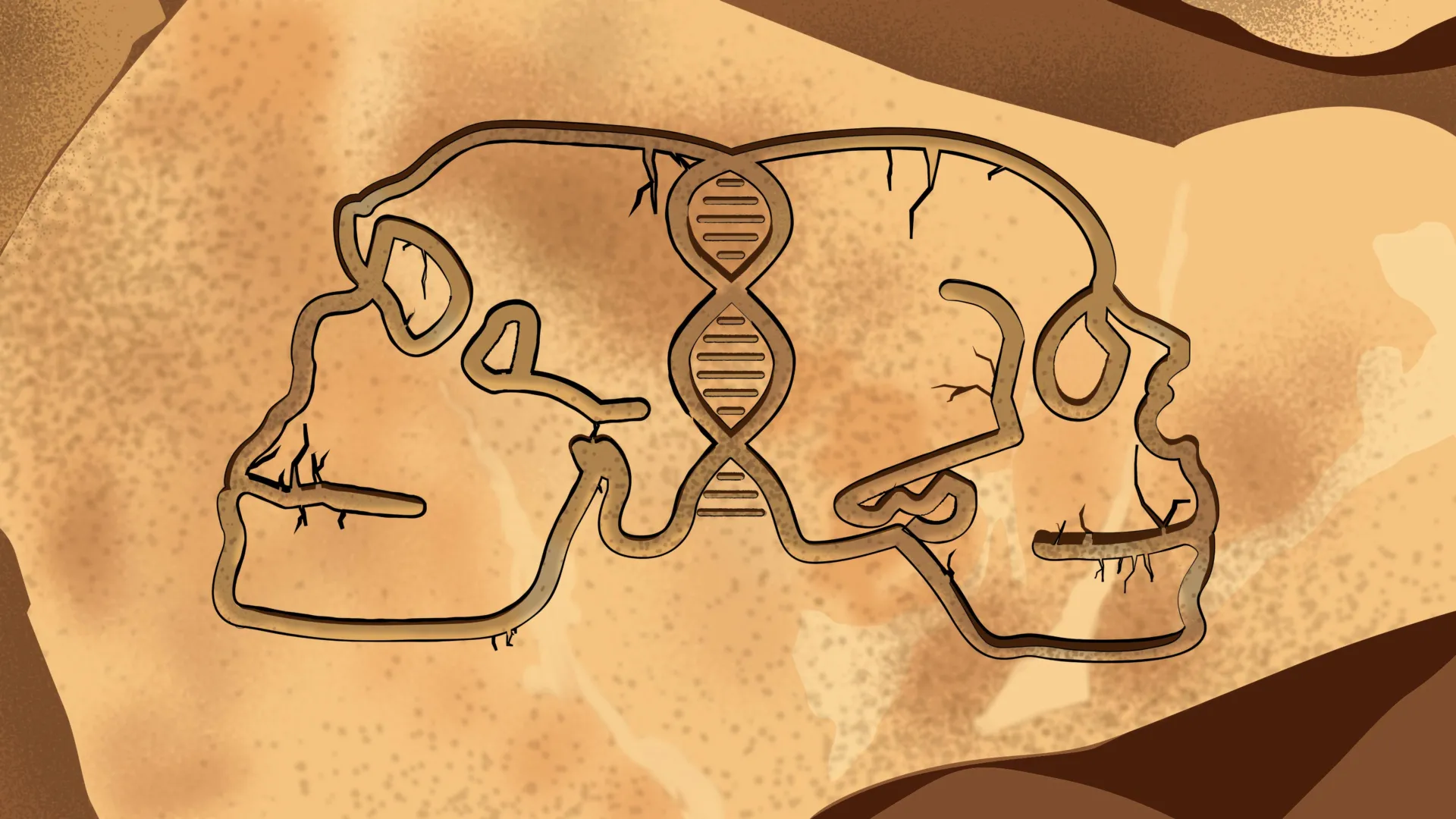
Princeton study maps 200,000 years of Human–Neanderthal interbreeding
When the first Neanderthal bones were uncovered in 1856, they sparked a flood of questions about these mysterious ancient humans. Were they similar to us or fundamentally different? Did our ancestors cooperate with them, clash with them, or even form relationships? The discovery of the Denisovans, a group closely related to Neanderthals that once lived…
Read More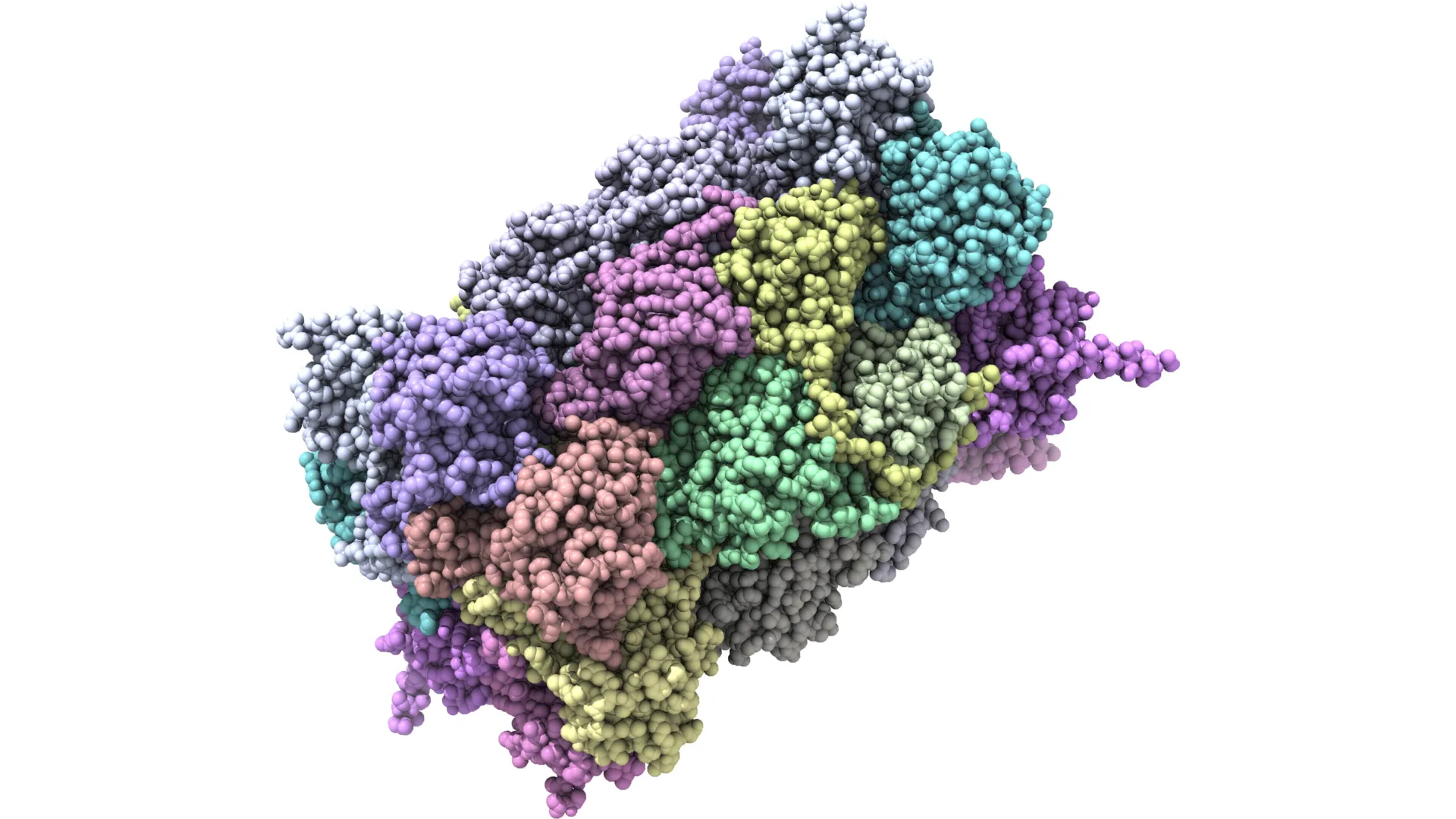
Scientists just found 200+ hidden proteins that may drive Alzheimer’s
For decades, the story of Alzheimer’s research has been dominated by a battle between A-beta and tau amyloids, both of which can kill neurons and impact the brain’s ability to function. A new study suggests, however, that these sticky brain plaques may not be operating alone. Johns Hopkins University researchers have identified more than 200…
Read More
Florida cat sniffs out another new virus—and scientists are listening
Pepper, the pet cat who made headlines last year for his role in the discovery of the first jeilongvirus found in the U.S., is at it again. This time, his hunting prowess contributed to the identification of a new strain of orthoreovirus. John Lednicky, Ph.D., Pepper’s owner and a University of Florida College of Public…
Read More
How a hidden brain circuit fuels fibromyalgia, migraines, and PTSD
Pain isn’t just a physical sensation — it also carries emotional weight. That distress, anguish, and anxiety can turn a fleeting injury into long-term suffering. Researchers at the Salk Institute have now identified a brain circuit that gives physical pain its emotional tone, revealing a new potential target for treating chronic and affective pain conditions…
Read More
In seconds, AI builds proteins to battle cancer and antibiotic resistance
In the last year, there has been a surge in proteins developed by AI that will eventually be used in the treatment of everything from snakebites to cancer. What would normally take decades for a scientist to create — a custom-made protein for a particular disease — can now be done in seconds. For the…
Read More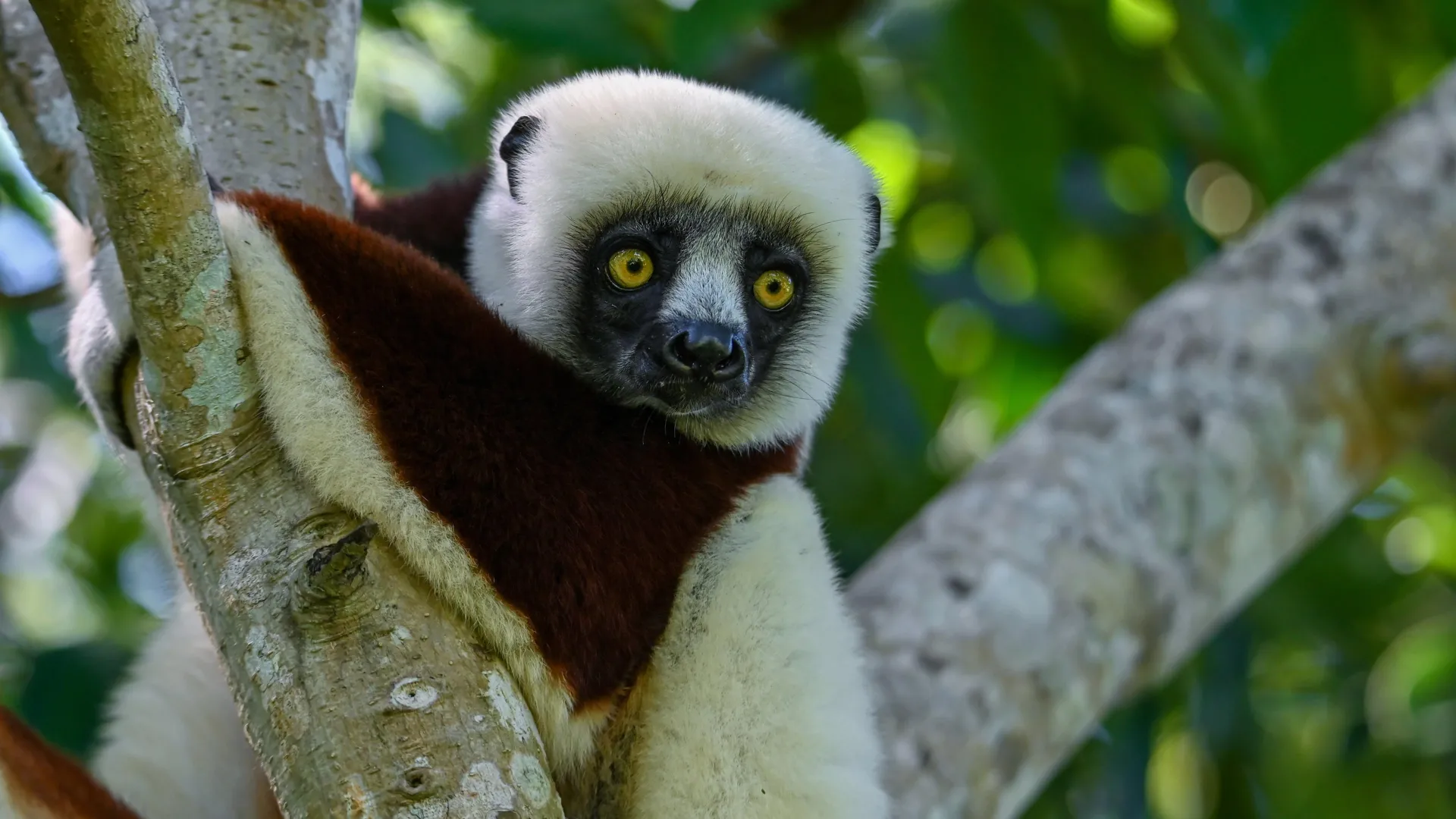
Lemurs age without inflammation—and it could change human health forever
What can lemurs tell us about inflammation and aging, aka “inflammaging” in humans? That’s the question Elaine Guevara, a biological anthropologist who studies the evolution of life history and aging in primates, set out to understand. In newly published research on age-related inflammation in ring-tailed and sifaka lemurs, Guevara discovered that perhaps we should rethink…
Read More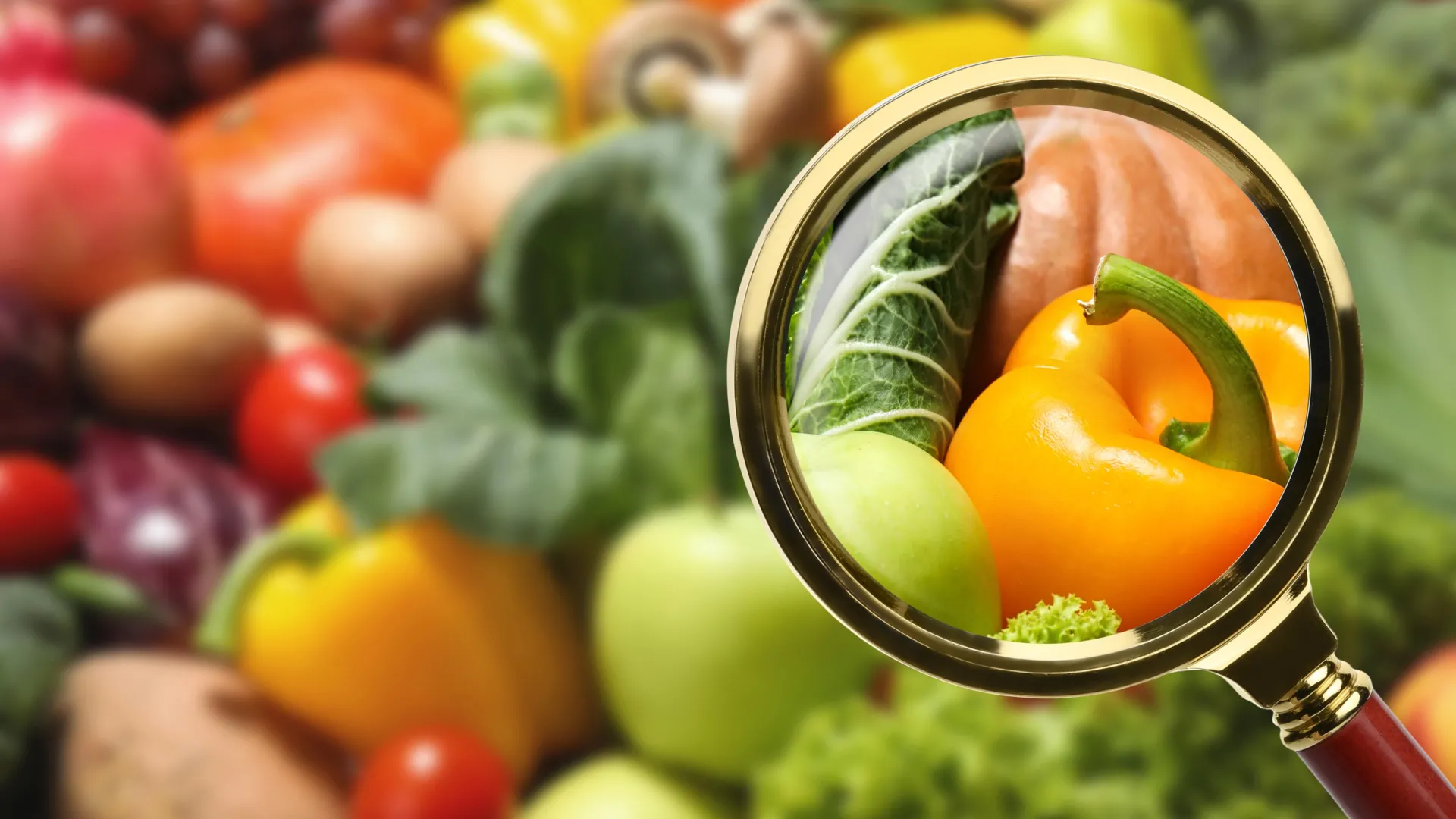
Bigger crops, fewer nutrients: The hidden cost of climate change
New preliminary research suggests that a combination of higher atmospheric CO2 and hotter temperatures contribute to a reduction in nutritional quality in food crops, with serious implications for human health and wellbeing. Most research into the impact of climate change on food production has focused on crop yield, but the size of the harvest means…
Read More
Hate exercise? Neuroscience maps the routine your personality will love
The key to sticking to and reaping the rewards of exercise over the long term may be as simple as doing something you enjoy, say the authors of a new study from UCL. Previous research has shown that the personalities of people who engage in different types of organized sport tend to vary. But what…
Read More
Matching your workouts to your personality could make exercising more enjoyable and give you better results
Finding motivation to exercise can be the greatest challenge in working out. This might be part of the reason why less than a quarter of people achieve the activity goals recommended by the World Health Organization. But what if working out could be more enjoyable? One way of achieving this could be opting for types…
Read More
Pregnancy’s 100-million-year secret: Inside the placenta’s evolutionary power play
An international research team led by scientists from the University of Vienna has uncovered new insights into how specialized cell types and communication networks at the interface between mother and fetus evolved over millions of years. These discoveries shed light on one of nature’s most remarkable innovations – the ability to sustain a successful pregnancy.…
Read More
New research shows Monday stress is etched into your biology
A research study led by Professor Tarani Chandola from the Department of Sociology, Faculty of Social Sciences at the University of Hong Kong (HKU) has revealed that Mondays uniquely drive long-term biological stress, regardless of working status, with implications for heart health. The research has identified a striking biological phenomenon: older adults who feel anxious…
Read More
Feeling mental exhaustion? These two areas of the brain may control whether people give up or persevere
Two areas of the brain may work in combination to tell the brain when it’s “feeling” tired. People with depression and post-traumatic stress disorder (PTSD) often experience cognitive fatigue. Results of the study may provide a way for physicians to better evaluate and treat people who experience such fatigue. In experiments with healthy volunteers undergoing…
Read More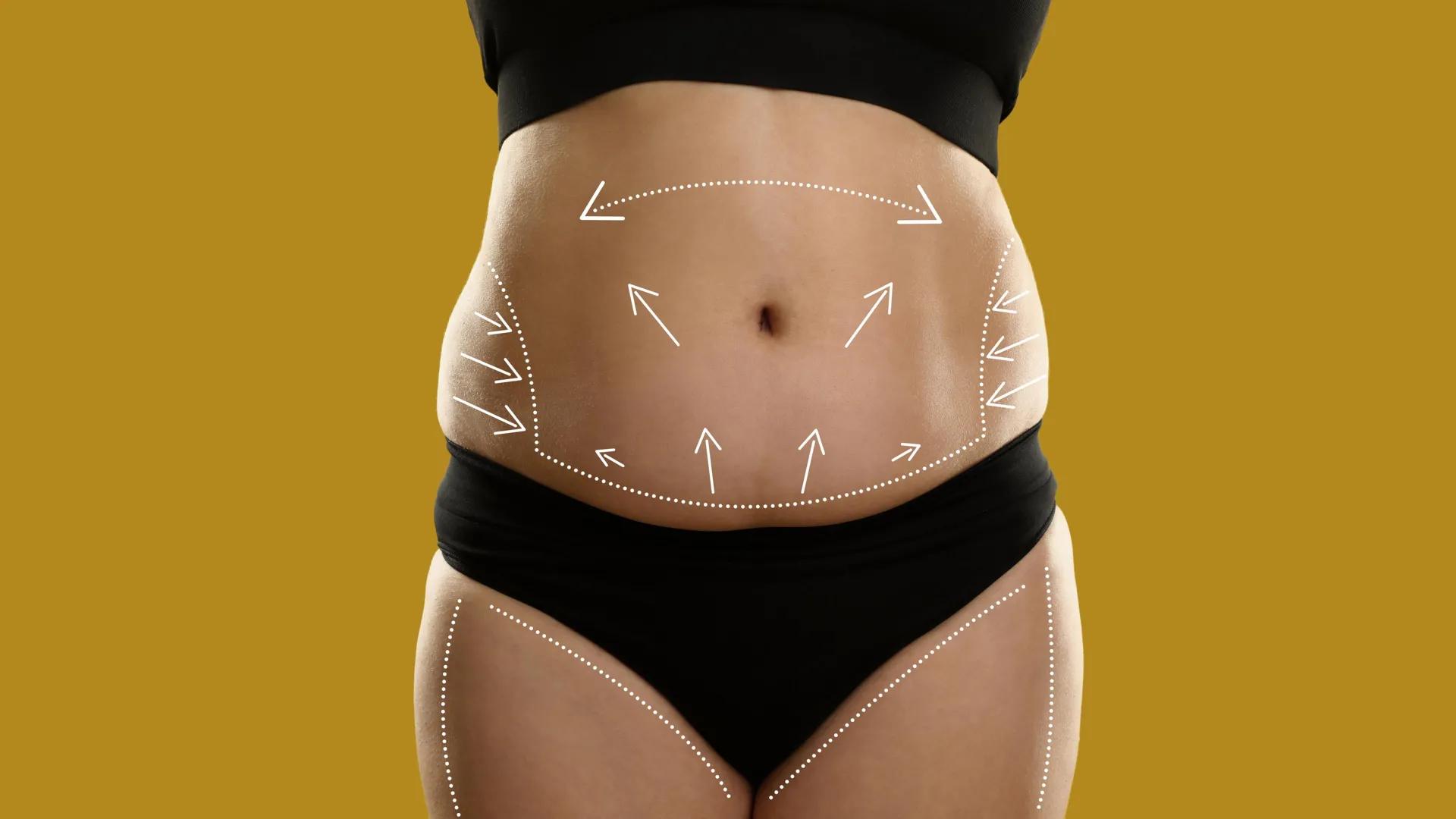
Study finds tummy-tuck patients still shedding pounds five years later
Most patients undergoing “tummy tuck” surgery (abdominoplasty) to remove excess skin and tissue after weight loss continue to lose weight in the months and years after surgery, suggests a follow-up study in the July issue of Plastic and Reconstructive Surgery®, the official medical journal of the American Society of Plastic Surgeons (ASPS). The journal is…
Read More
Multisensory VR forest reboots your brain and lifts mood—study confirms
In Japan, Shinrin Yoku or forest bathing has already been used for therapeutic applications, for instance, to lower blood pressure and stress levels. For their study, the researchers wanted to find out whether forest bathing – consciously immersing oneself in nature – can also be effective when done virtually, and focused on whether the positive…
Read More
Cough medicine turned brain protector? Ambroxol may slow Parkinson’s dementia
Dementia poses a major health challenge with no safe, affordable treatments to slow its progression. Researchers at Lawson Research Institute (Lawson), the research arm of St. Joseph’s Health Care London, are investigating whether Ambroxol — a cough medicine used safely for decades in Europe — can slow dementia in people with Parkinson’s disease. Published on…
Read More
Scientists discovered how a scent can change your mind
Mice taught to link smells with tastes, and later fear, revealed how the amygdala teams up with cortical regions to let the brain draw powerful indirect connections. Disabling this circuit erased the links, hinting that similar pathways in humans could underlie disorders like PTSD and psychosis, and might be tuned with future brain-modulation therapies.
Read More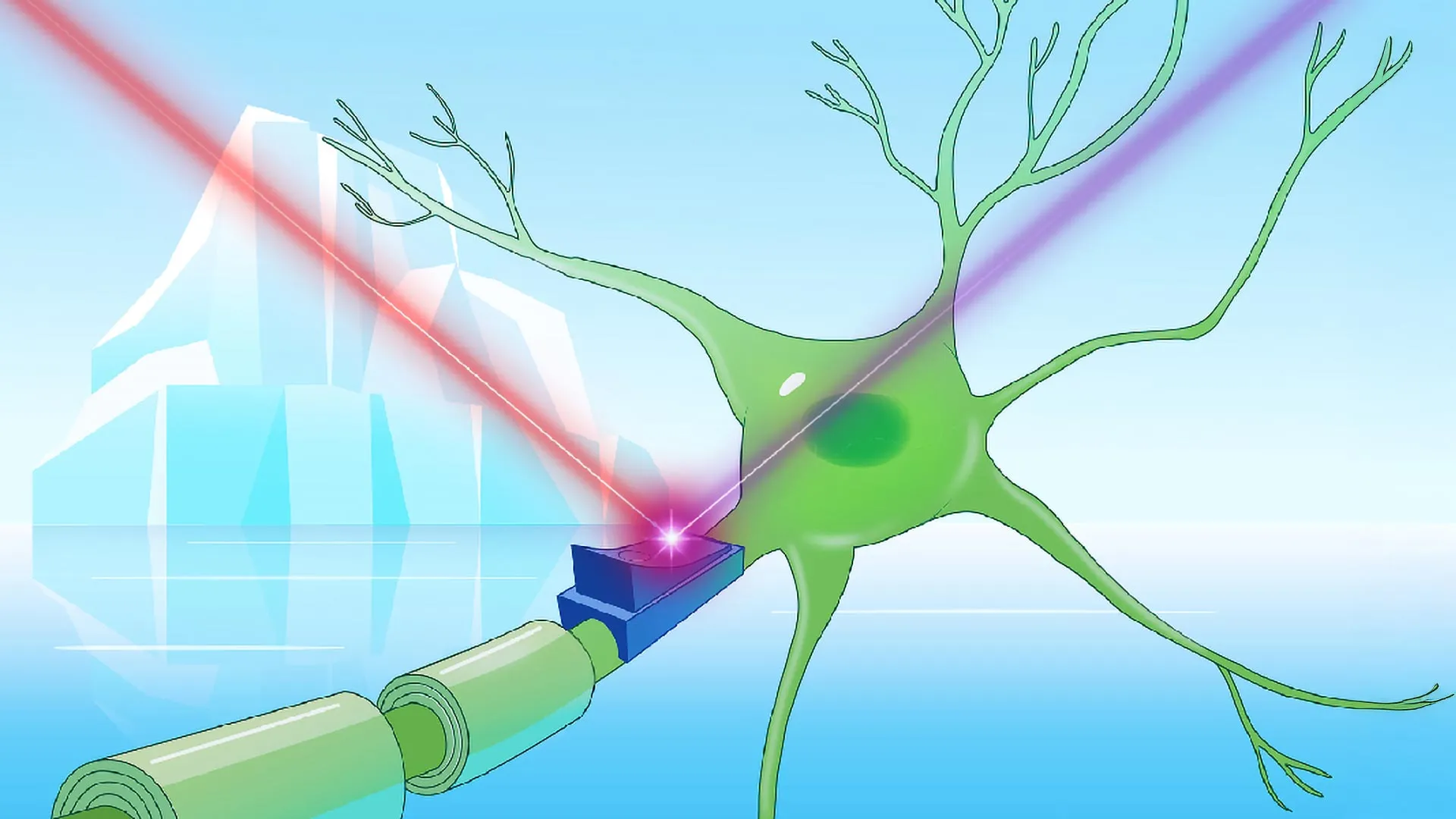
Frozen light switches: How Arctic microbes could revolutionize neuroscience
Imagine the magnificent glaciers of Greenland, the eternal snow of the Tibetan high mountains, and the permanently ice-cold groundwater in Finland. As cold and beautiful these are, for the structural biologist Kirill Kovalev, they are more importantly home to unusual molecules that could control brain cells’ activity. Kovalev, EIPOD Postdoctoral Fellow at EMBL Hamburg’s Schneider…
Read More
Sweet-smelling molecule halts therapy-resistant pancreatic cancer
Cancer cells have the capacity to multiply rapidly. The aggressive cancer cells undergo conversion from their tightly connected epithelial state into a mesenchymal state, which lacks contact restrictions and spreads easily to other parts of the body. Such epithelial-to-mesenchymal plasticity also makes the cancer cells resistant to elimination by anticancer therapies. The search is ongoing…
Read More
Parkinson’s reversal? One drug brings dying brain cells back to life
Putting the brakes on an enzyme might rescue neurons that are dying due to a type of Parkinson’s disease that’s caused by a single genetic mutation, according to a new Stanford Medicine-led study conducted in mice. The genetic mutation causes an enzyme called leucine-rich repeat kinase 2, or LRRK2, to be overactive. Too much LRRK2…
Read More
Even low levels of air pollution may quietly scar your heart, MRI study finds
Researchers using cardiac MRI have found that long-term exposure to air pollution is associated with early signs of heart damage, according to a study that was published today in Radiology, a journal of the Radiological Society of North America (RSNA). The research indicates that fine particulate matter in the air may contribute to diffuse myocardial…
Read More
AI spots deadly heart risk most doctors can’t see
A new AI model is much better than doctors at identifying patients likely to experience cardiac arrest. The linchpin is the system’s ability to analyze long-underused heart imaging, alongside a full spectrum of medical records, to reveal previously hidden information about a patient’s heart health. The federally-funded work, led by Johns Hopkins University researchers, could…
Read More
The fatal mutation that lets cancer outsmart the human immune system
New research from UC Davis Comprehensive Cancer Center has uncovered an evolutionary change that may explain why certain immune cells in humans are less effective at fighting solid tumors compared to non-human primates. This insight could lead to more powerful cancer treatments. The study was published in Nature Communications. It revealed a tiny genetic difference…
Read More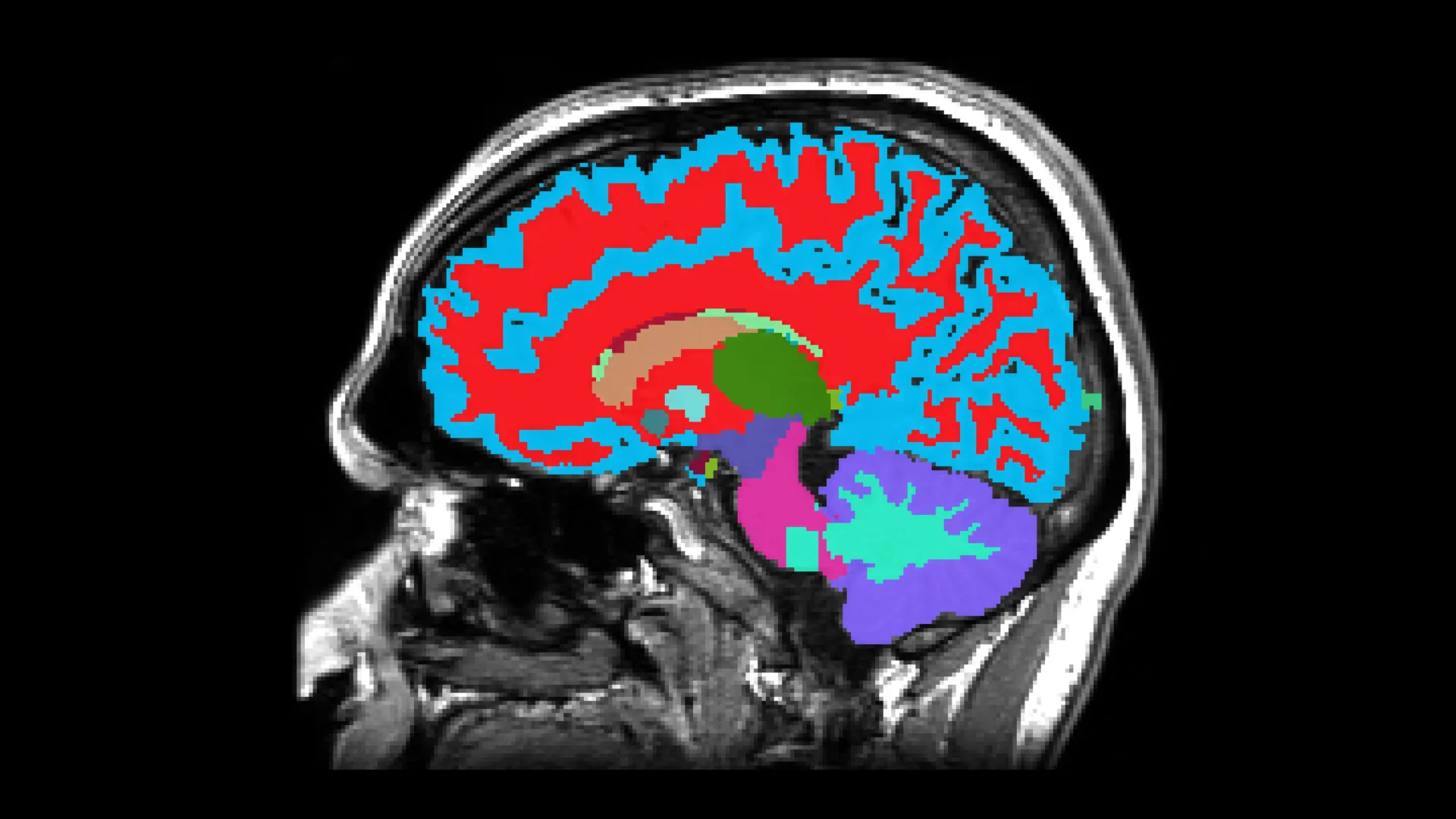
A midlife MRI that spots rapid aging and signals disease long before symptoms
Any high school reunion is a sharp reminder that some people age more gracefully than others. Some enter their older years still physically spry and mentally sharp. Others start feeling frail or forgetful much earlier in life than expected. “The way we age as we get older is quite distinct from how many times we’ve…
Read More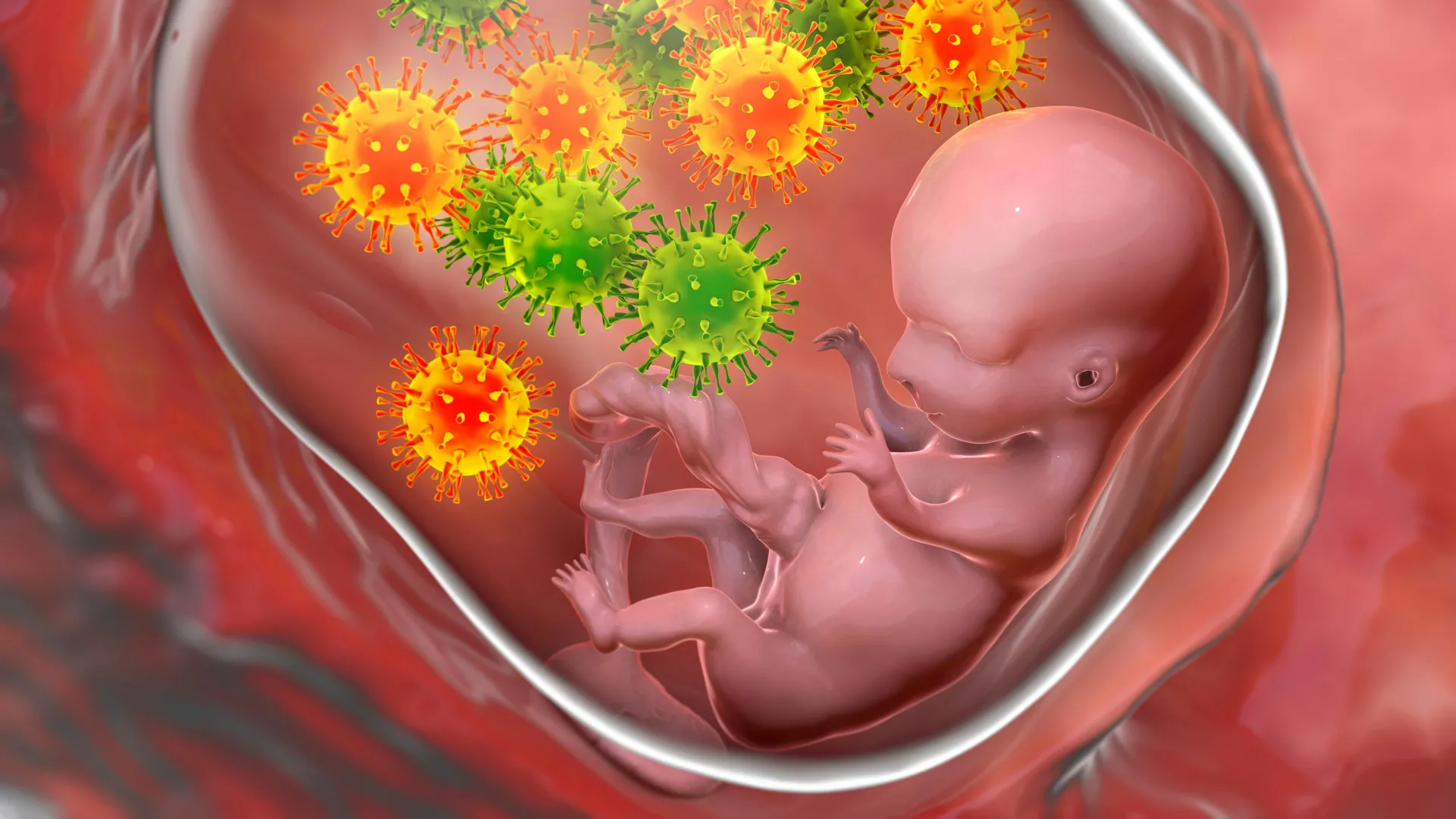
This virus infects millions—and we just discovered its secret weapon
New research from the University of Pittsburgh School of Medicine and La Jolla Institute for Immunology, published today (June 30) in Nature Microbiology, reveals an opportunity for developing a therapy against cytomegalovirus (CMV), the leading infectious cause of birth defects in the United States. Researchers discovered a previously unappreciated mechanism by which CMV, a herpes…
Read More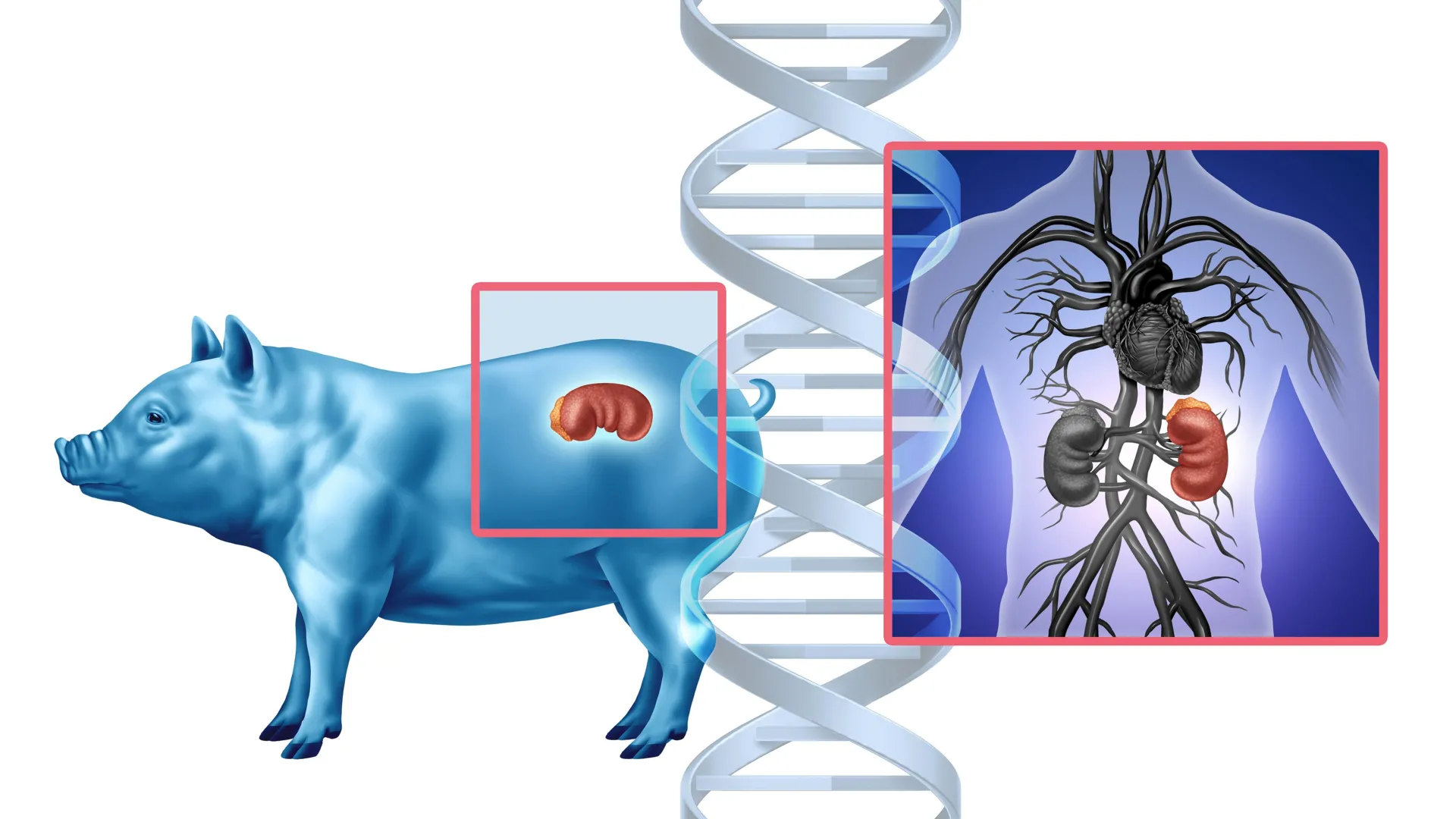
Scientists just mapped how the body rejects pig organs—and how to stop it
A pioneering study has provided unprecedented insights into the immune response following pig-to-human kidney xenotransplantation.1 The findings, presented today at the ESOT Congress 2025, mark a significant step forward in overcoming the biggest challenge in xenotransplantation: rejection by the human immune system. Using cutting-edge spatial molecular imaging, researchers mapped how human immune cells interact with…
Read More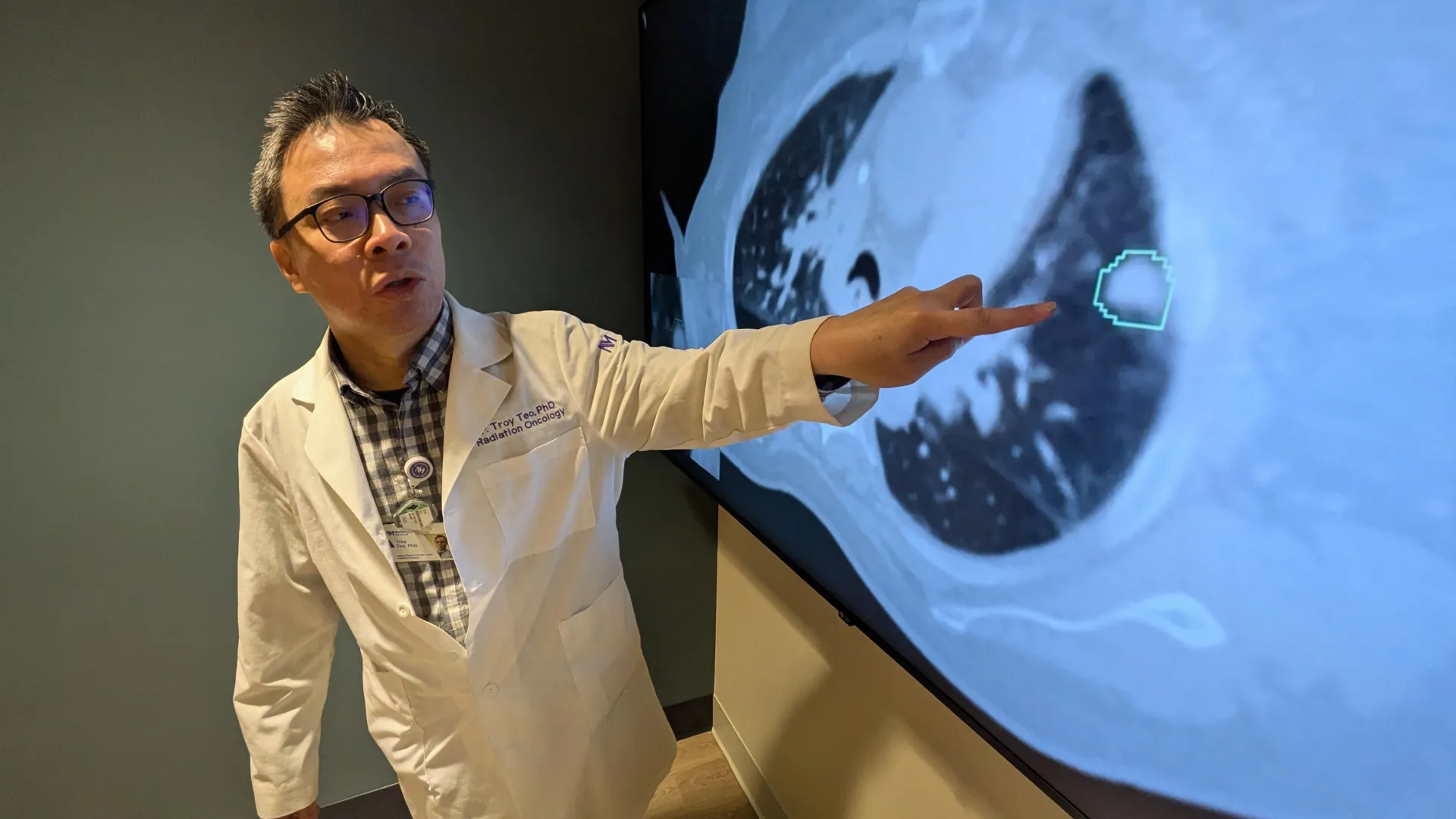
This AI tracks lung tumors as you breathe — and it might save lives
In radiation therapy, precision can save lives. Oncologists must carefully map the size and location of a tumor before delivering high-dose radiation to destroy cancer cells while sparing healthy tissue. But this process, called tumor segmentation, is still done manually, takes time, varies between doctors — and can lead to critical tumor areas being overlooked.…
Read More
Scientists just found a sugar switch that protects your brain from Alzheimer’s
A new study from scientists at the Buck Institute for Research on Aging has revealed a surprising player in the battle against Alzheimer’s disease and other forms of dementia: brain sugar metabolism. Published in Nature Metabolism, the research uncovers how breaking down glycogen — a stored form of glucose — in neurons may protect the…
Read More
Scientists turn beer yeast into mini factories for smart drugs
Scientists at Ca’ Foscari University of Venice, in collaboration with researchers from Japan, China, Switzerland, and Italy, have developed an innovative method to produce and rapidly analyze a vast array of macrocyclic peptides, molecules increasingly used in modern medicine. The research, published in Nature Communications, harnesses the familiar brewer’s yeast, turning billions of these tiny…
Read More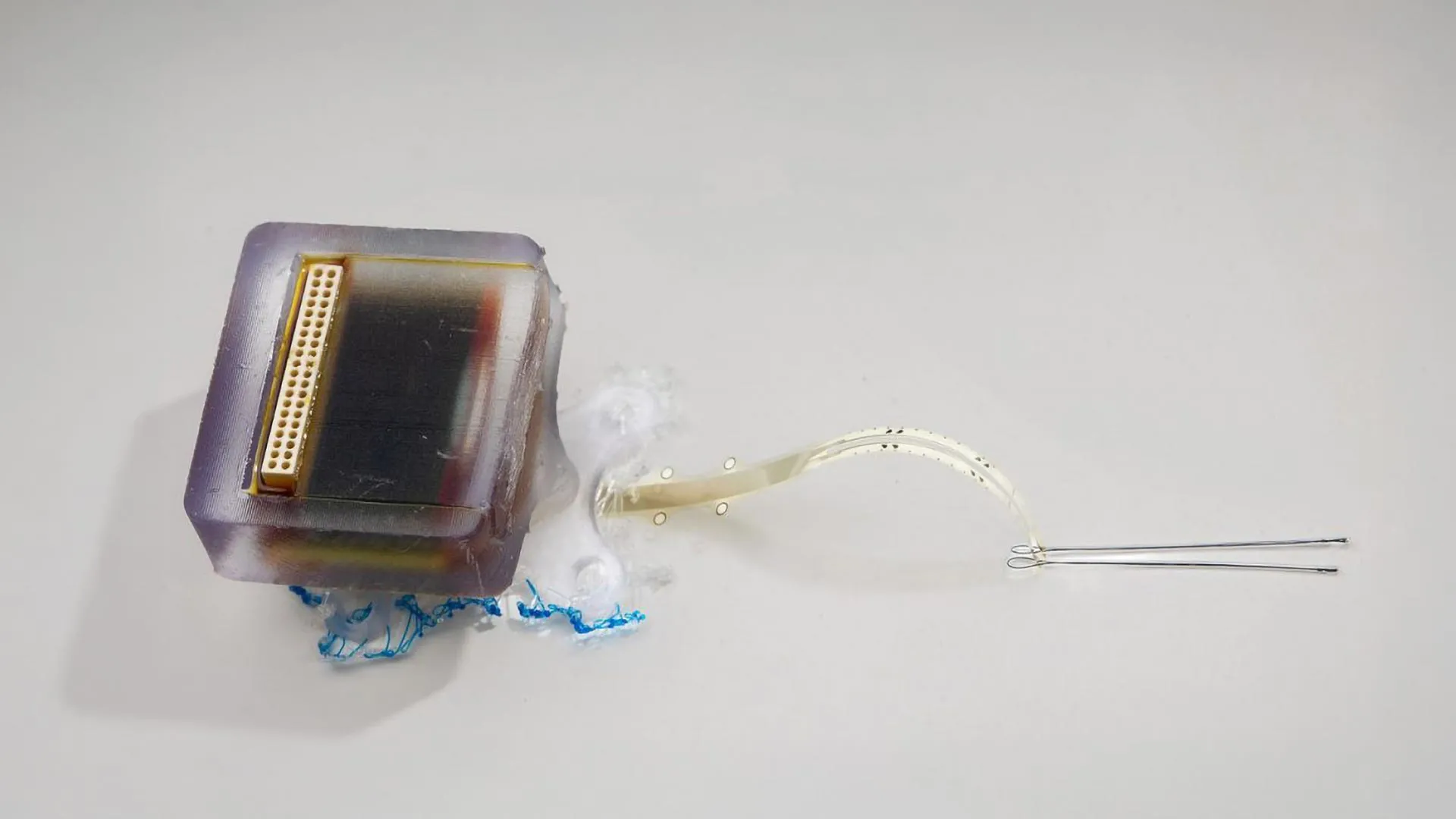
A tiny implant just helped paralyzed rats walk again—is human recovery next?
Spinal cord injuries are currently incurable with devastating effects on people’s lives, but now a trial at Waipapa Taumata Rau, University of Auckland offers hope for an effective treatment. Spinal cord injuries shatter the signal between the brain and body, often resulting in a loss of function.”Unlike a cut on the skin, which typically heals…
Read More
The brain’s sweet spot: How criticality could unlock learning, memory—and prevent Alzheimer’s
In a new paper with implications for preventing Alzheimer’s disease and other neurological disorders, Keith Hengen, an associate professor of biology in Arts & Sciences at Washington University in St. Louis, suggests a new comprehensive approach to understanding how the brain works and the rules it must follow to reach optimal performance. “There’s a common…
Read More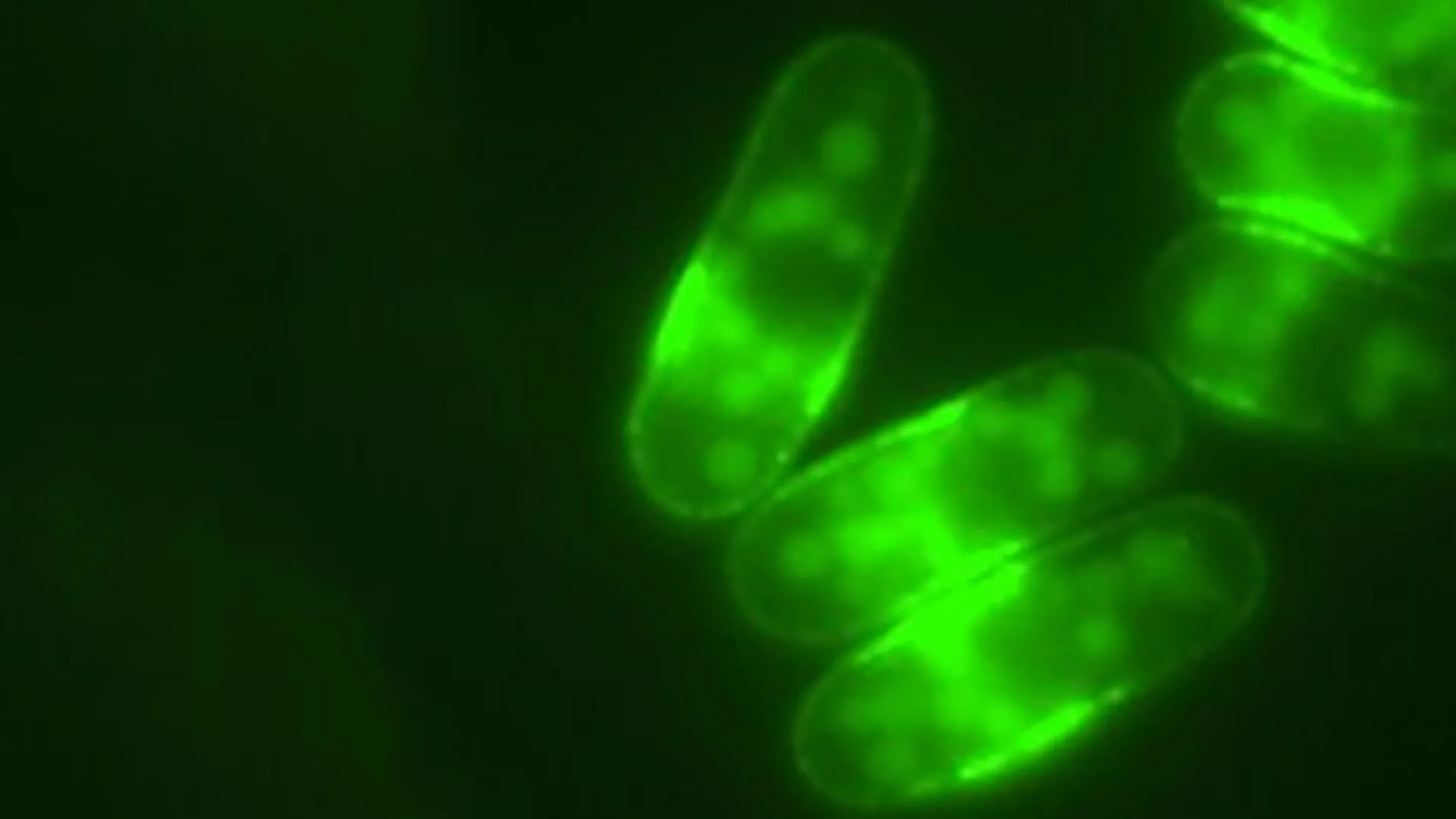
Scientists reveal your morning coffee flips an ancient longevity switch
A new study from the Cellular Ageing and Senescence laboratory at Queen Mary University of London’s Cenfre for Molecular Cell Biology, reveals how caffeine — the world’s most popular neuroactive compound — might do more than just wake you up. The study in the journal Microbial Cell shows how caffeine could play a role in slowing…
Read More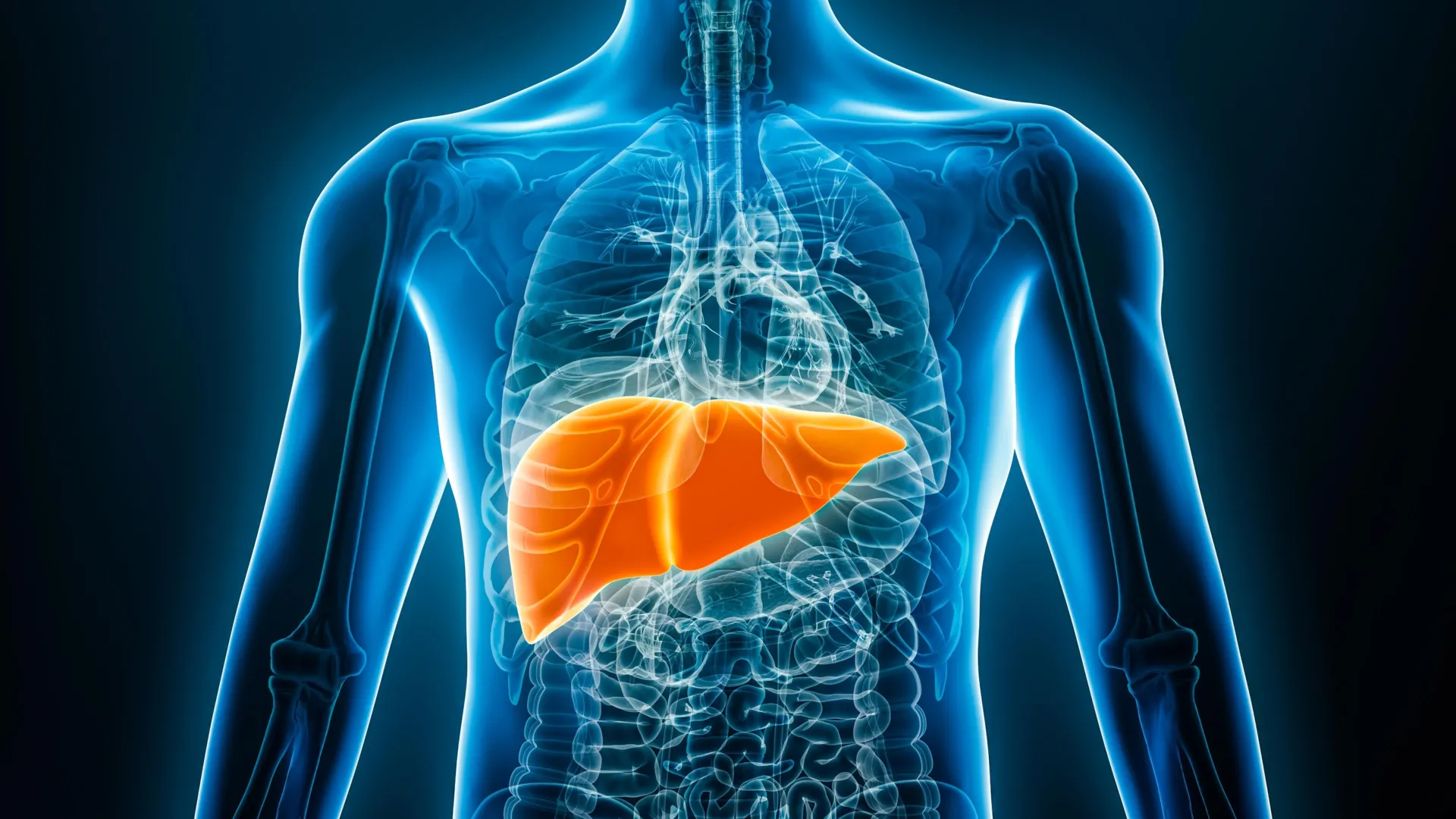
AI sees what doctors miss: Fatty liver disease hidden in chest x-rays
Fatty liver disease, caused by the accumulation of fat in the liver, is estimated to affect one in four people worldwide. If left untreated, it can lead to serious complications, such as cirrhosis and liver cancer, making it crucial to detect early and initiate treatment. Currently, standard tests for diagnosing fatty liver disease include ultrasounds,…
Read More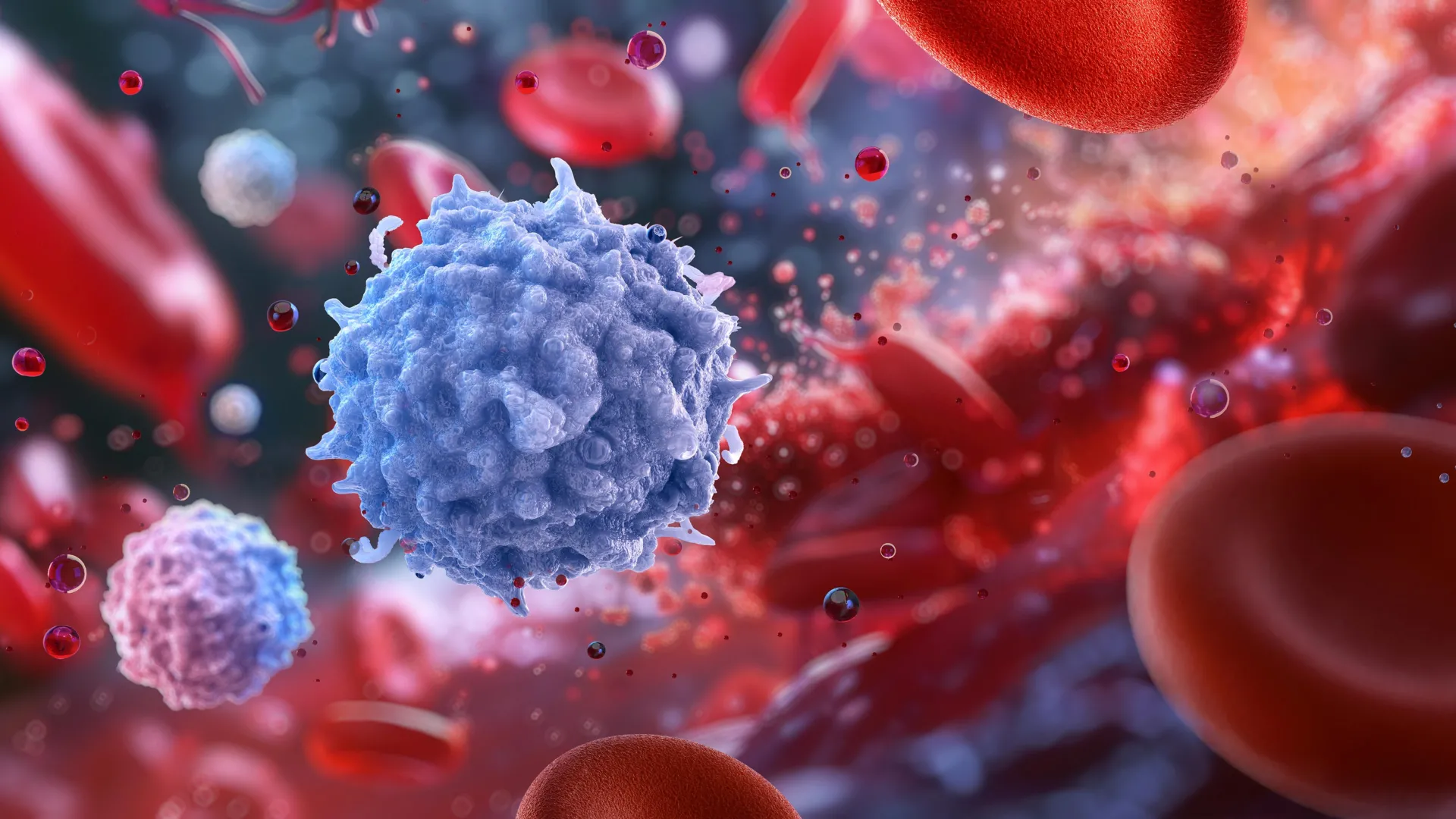
Parkinson’s may begin decades earlier — and your immune system might know first
Your T cells work hard to fight disease. Unfortunately, “friendly fire” from T cells can sometimes harm the body’s healthy tissues. For people with autoimmune disease, T cell reactivity is a big problem. Haywire T cell responses lead to autoimmune diseases such as type 1 diabetes, rheumatoid arthritis, and inflammatory bowel disease. In recent years,…
Read More Acid-busting diet triggers 13-pound weight loss in just 16 weeks
Compared with a Mediterranean diet, dietary acid load decreased significantly on a low-fat vegan diet and was associated with weight loss, according to a randomized cross-over trial conducted by the Physicians Committee for Responsible Medicine and published in Frontiers in Nutrition. “Eating acid-producing foods like meat, eggs, and dairy can increase the dietary acid load,…
Read More
Hot tubs outperform saunas in boosting blood flow and immune power
Hot tubs and saunas can both soothe aching muscles and provide welcome warmth, but hot tubs might offer greater health benefits. That’s the takeaway from a new study done by researchers in the Bowerman Sports Science Center at the University of Oregon, which compared the physiological effects of soaking in a hot tub to sitting…
Read More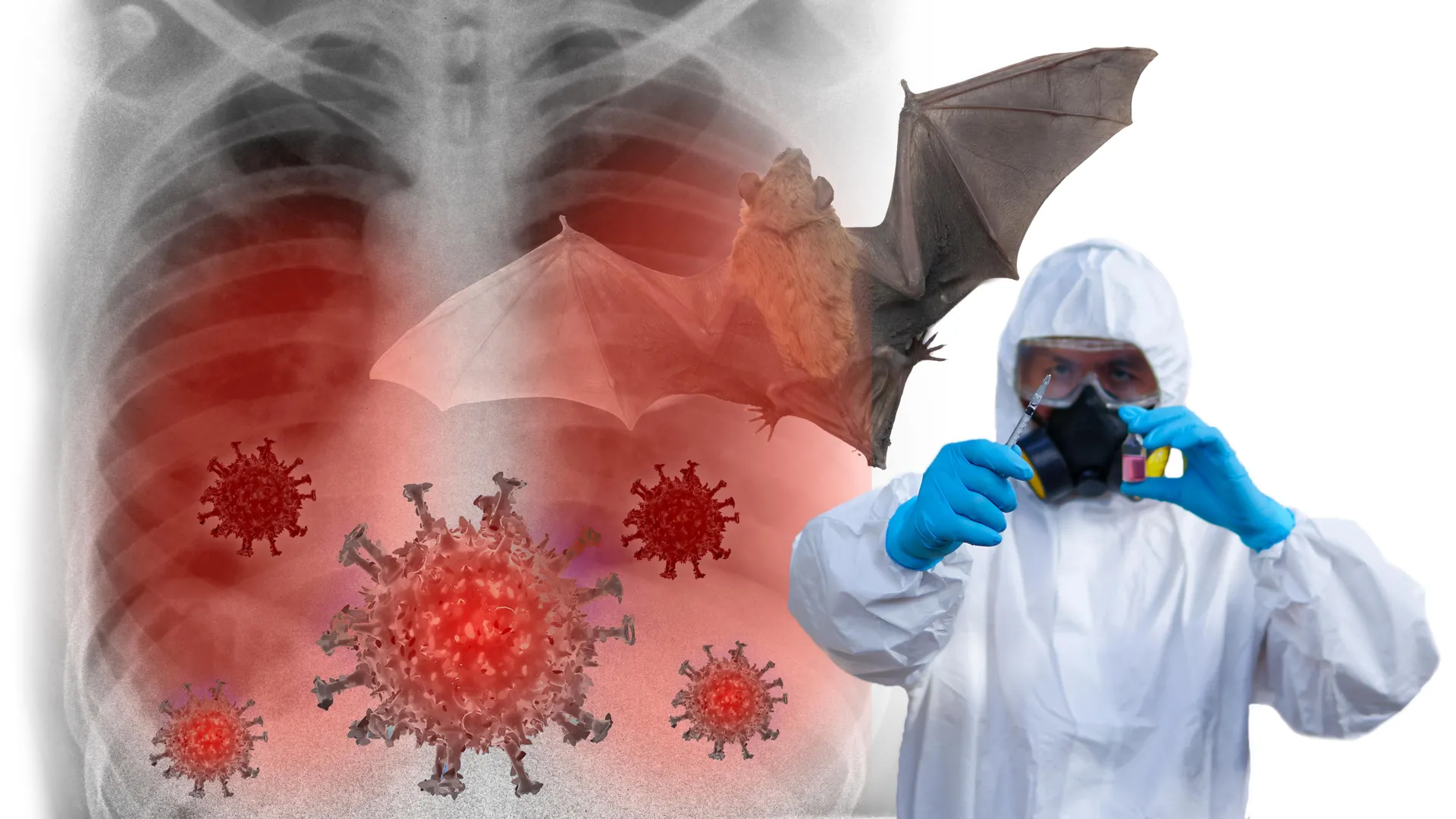
Scientists warn of bat virus just one mutation from infecting humans
A group of bat viruses closely related to the deadly Middle East respiratory syndrome coronavirus (MERS-CoV) could be one small mutation away from being capable of spilling over into human populations and potentially causing the next pandemic. A recent study published in the journal Nature Communicationsexamined an understudied group of coronaviruses known as merbecoviruses —…
Read More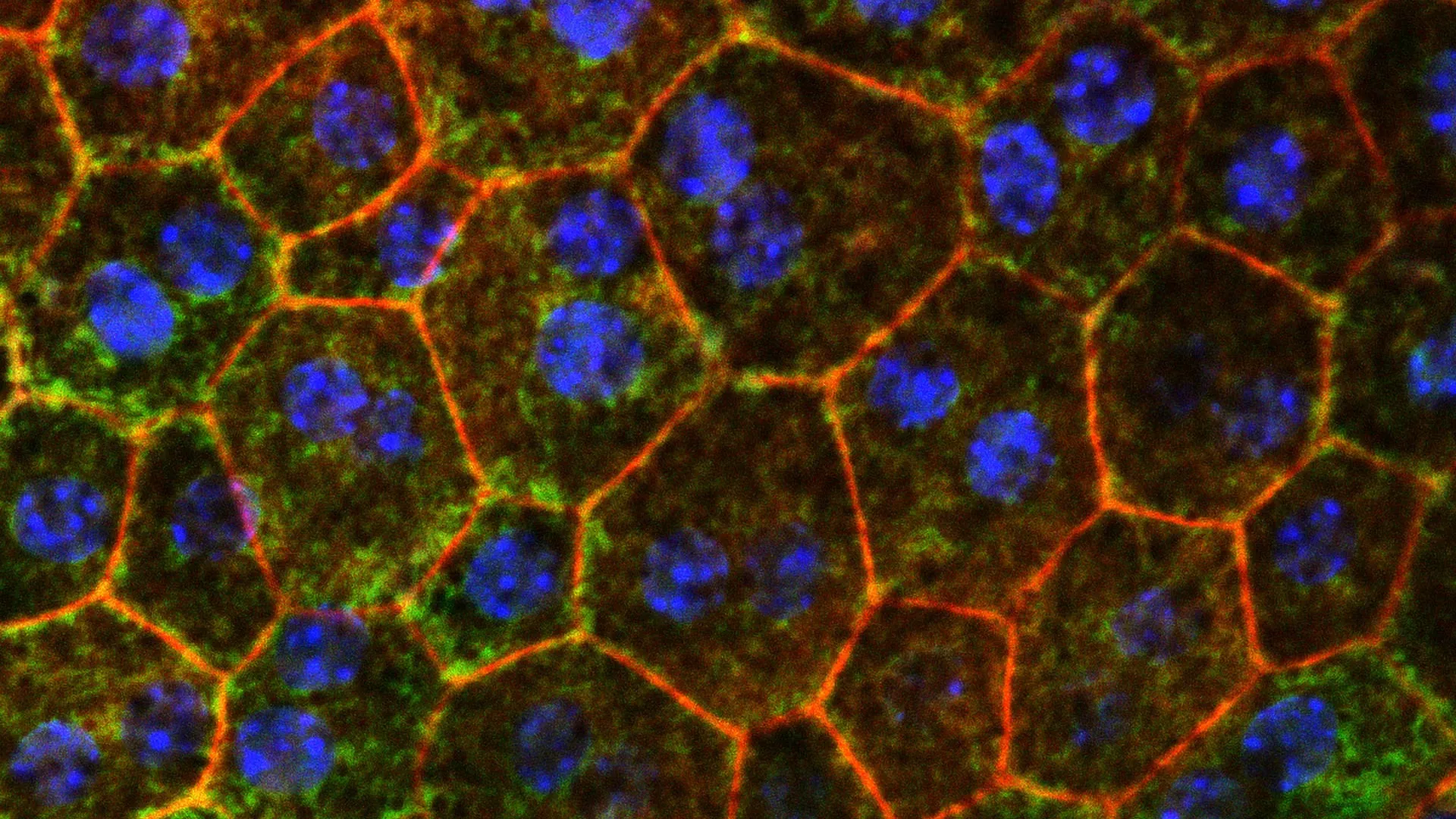
The molecule that might save your sight—and your heart
A new study from Washington University School of Medicine in St. Louis identifies a possible way to slow or block progression of age-related macular degeneration, a leading cause of blindness in people over age 50. The WashU Medicine researchers and their international collaborators implicated problems with cholesterol metabolism in this type of vision loss, perhaps…
Read More
How brain cells meant to help may be making depression worse
Major depressive disorder (MDD) is a mental health condition that negatively affects the mood of a person and causes a loss of interest in activities that were previously associated with happiness. In addition to cognitive impairments and forgetfulness, MDD can significantly affect social and occupational areas of functioning. Studies investigating the pathophysiology of MDD indicate…
Read More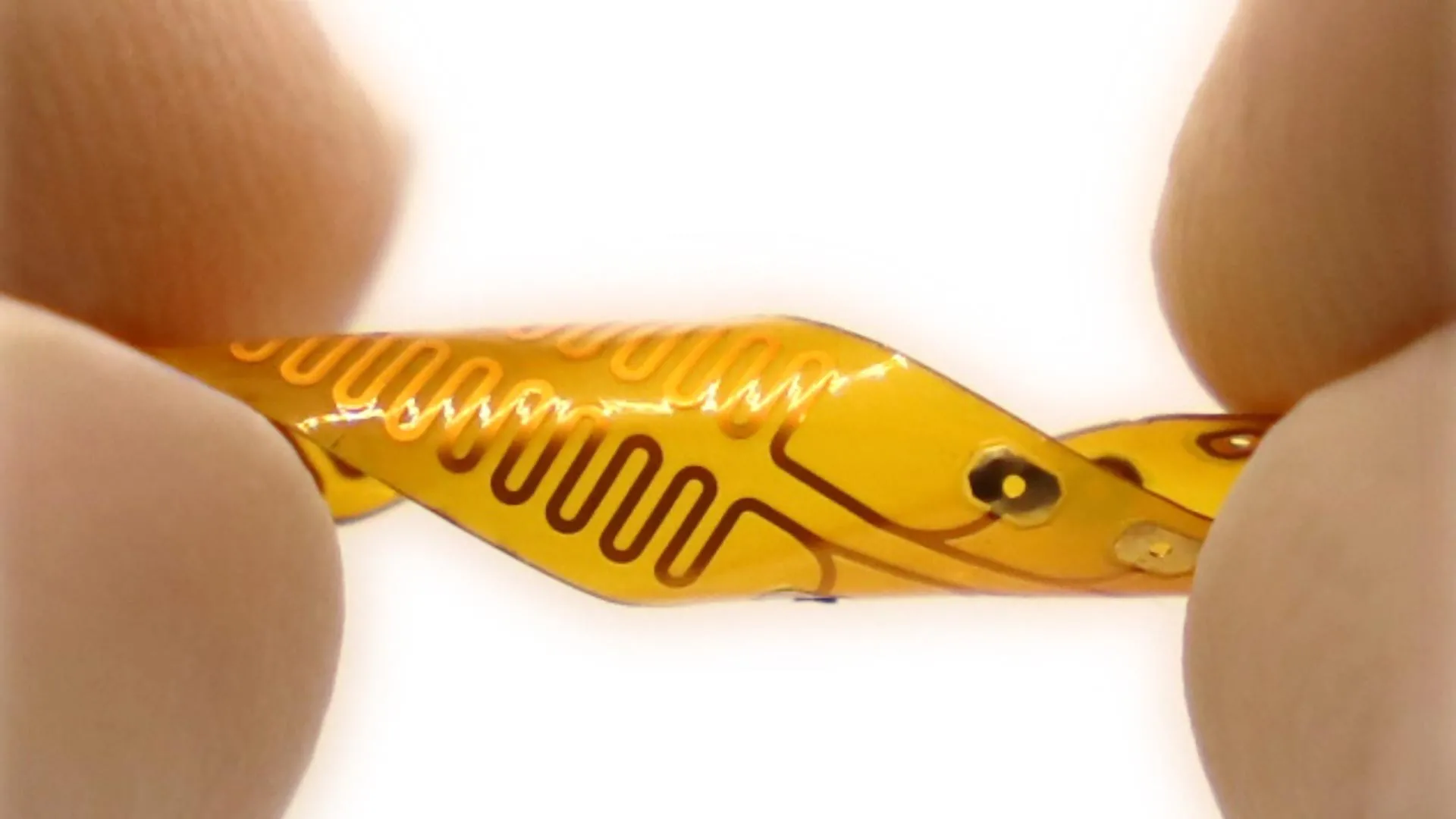
USC’s new AI implant promises drug-free relief for chronic pain
Chronic pain is a debilitating condition that severely impacts quality of life, often leading to reliance on opioid medications with their severe side effects and addiction risks. According to the U.S. Pain Foundation, 51.6 million Americans live with chronic pain. For over 17 million sufferers, their chronic pain is high-impact – frequently limiting their life…
Read More
Affordances in the brain: The human superpower AI hasn’t mastered
How do you intuitively know that you can walk on a footpath and swim in a lake? Researchers from the University of Amsterdam have discovered unique brain activations that reflect how we can move our bodies through an environment. The study not only sheds new light on how the human brain works, but also shows…
Read More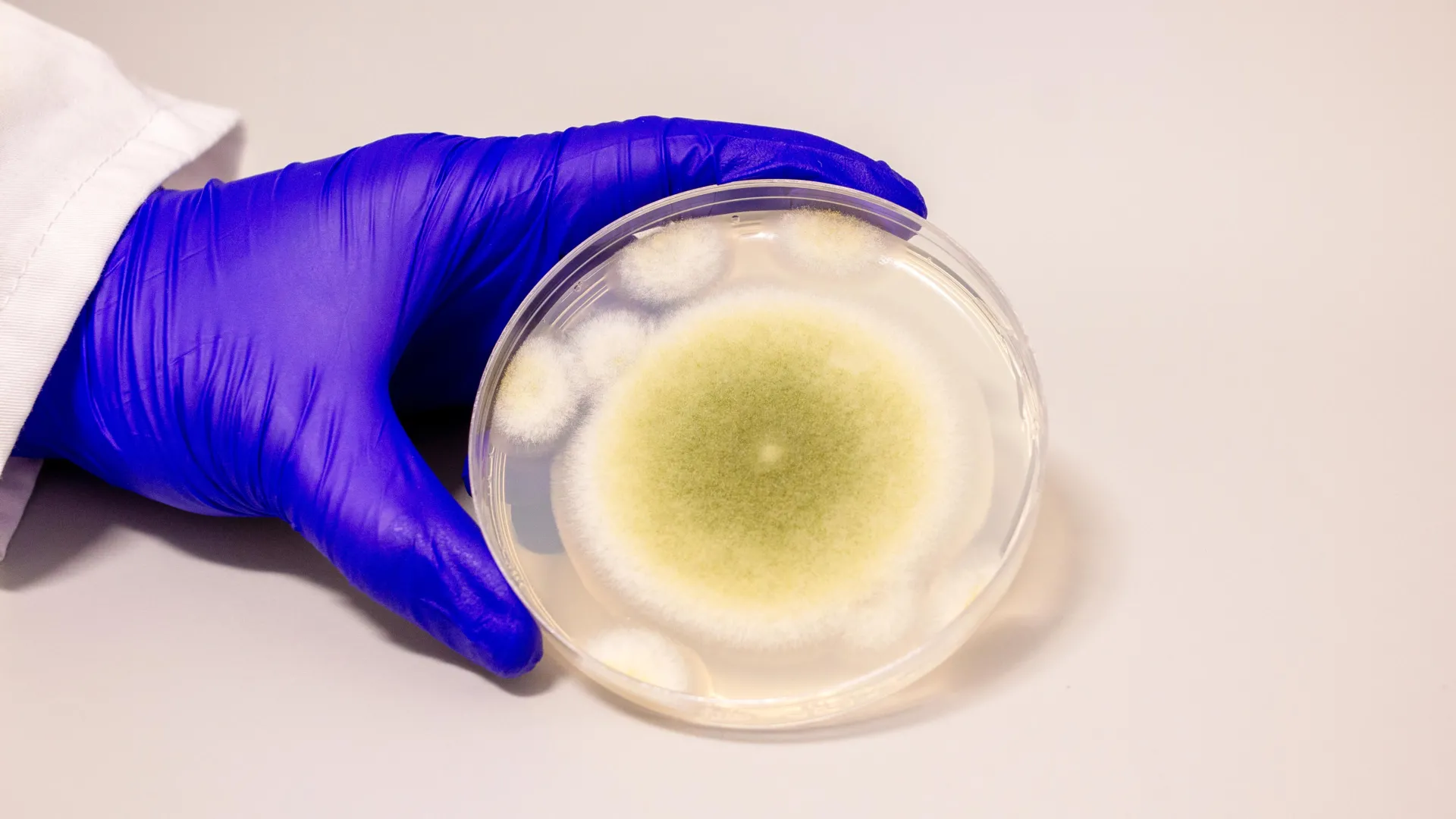
From cursed tomb fungus to cancer cure: Aspergillus flavus yields potent new drug
Penn-led researchers have turned a deadly fungus into a potent cancer-fighting compound. After isolating a new class of molecules from Aspergillus flavus, a toxic crop fungus linked to deaths in the excavations of ancient tombs, the researchers modified the chemicals and tested them against leukemia cells. The result? A promising cancer-killing compound that rivals FDA-approved…
Read More
HIV is surging in over-50s—But campaigns still target the young
Prevention and treatment campaigns are not adequately targeting the particular needs of the 50+ years age group. Indeed, between 2000 and 2016, the number of adults aged 50 years and older living with HIV in sub-Saharan Africa doubled. At present, their HIV prevalence is exceeding that of younger adults. By 2040, one-quarter of people living…
Read More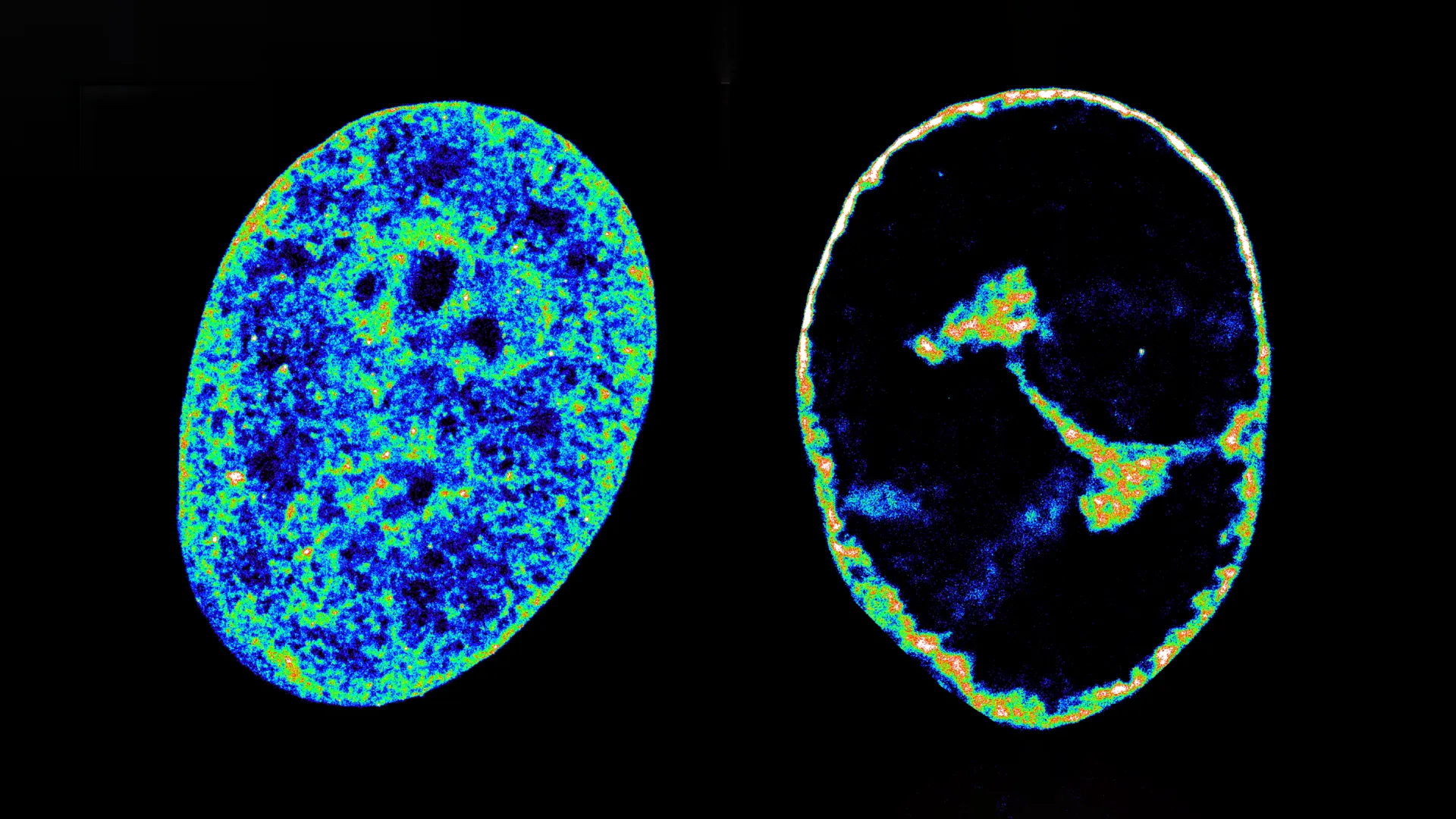
Cold sore virus hijacks human genome in 3D–and scientists found its weak spot
Viruses are entirely dependent on their hosts to reproduce. They ransack living cells for parts and energy and hijack the host’s cellular machinery to make new copies of themselves. Herpes simplex virus-1 (HSV-1), it turns out, also redecorates, according to a new study in Nature Communications. Researchers at the Center for Genomic Regulation (CRG) in…
Read More
Iron overload: The hidden culprit behind early Alzheimer’s in Down syndrome
Scientists at the USC Leonard Davis School of Gerontology have discovered a key connection between high levels of iron in the brain and increased cell damage in people who have both Down syndrome and Alzheimer’s disease. In the study, researchers found that the brains of people diagnosed with Down syndrome and Alzheimer’s disease (DSAD) had…
Read More
Diabetes drug cuts migraines in half by targeting brain pressure
A diabetes medication that lowers brain fluid pressure has cut monthly migraine days by more than half, according to a new study presented today at the European Academy of Neurology (EAN) Congress 2025.1 Researchers at the Headache Center of the University of Naples “Federico II” gave the glucagon-like peptide-1 (GLP-1) receptor agonist liraglutide to 26…
Read More
Self-esteem skyrockets 131% after weight-loss surgery, study reveals
Self-esteem scores more than doubled within one year of weight-loss surgery, according to a new study* presented today at the American Society for Metabolic and Bariatric Surgery (ASMBS) 2025 Annual Scientific Meeting. Researchers from Geisinger Medical Center found that after bariatric surgery self-esteem scores rose to 77.5 from 33.6 – a more than 40-point increase.…
Read More
Fitness trackers are failing millions — this fix could change everything
For many, fitness trackers have become indispensable tools for monitoring how many calories they’ve burned in a day. But for those living with obesity, who are known to exhibit differences in walking gait, speed, energy burned and more, these devices often inaccurately measure activity — until now. h For many, fitness trackers have become indispensable…
Read More
Microscopic heist: How lung bacteria forge weapons to steal iron and survive
Bacteria of the genus Pandoraea have not been studied much to date. Their name is reminiscent of Pandora’s box from Greek mythology, which is a symbol of uncontrollable dangers. “We have been working with an antibiotic-resistant bacterium,” says Elena Herzog. She is the first author of the publication and works as a doctoral researcher in…
Read More
Sugar shield restored: The breakthrough reversing brain aging and memory loss
In a compelling Genomic Press Interview published today in Brain Medicine, Sophia Shi, PhD, unveils her pioneering research that fundamentally changes our understanding of brain aging and opens revolutionary therapeutic pathways for Alzheimer’s disease and related neurodegenerative conditions. Uncovering the Brain’s Hidden Shield Dr. Shi’s groundbreaking work focuses on the glycocalyx, a complex “forest” of…
Read More
Single psilocybin trip delivers two years of depression relief for cancer patients
New results from a clinical trial reveal that a single dose of psilocybin — a naturally occurring psychedelic compound found in mushrooms — can provide sustained reductions in depression and anxiety in individuals with cancer suffering from major depressive disorder. The findings are published by Wiley online in CANCER, a peer-reviewed journal of the American…
Read More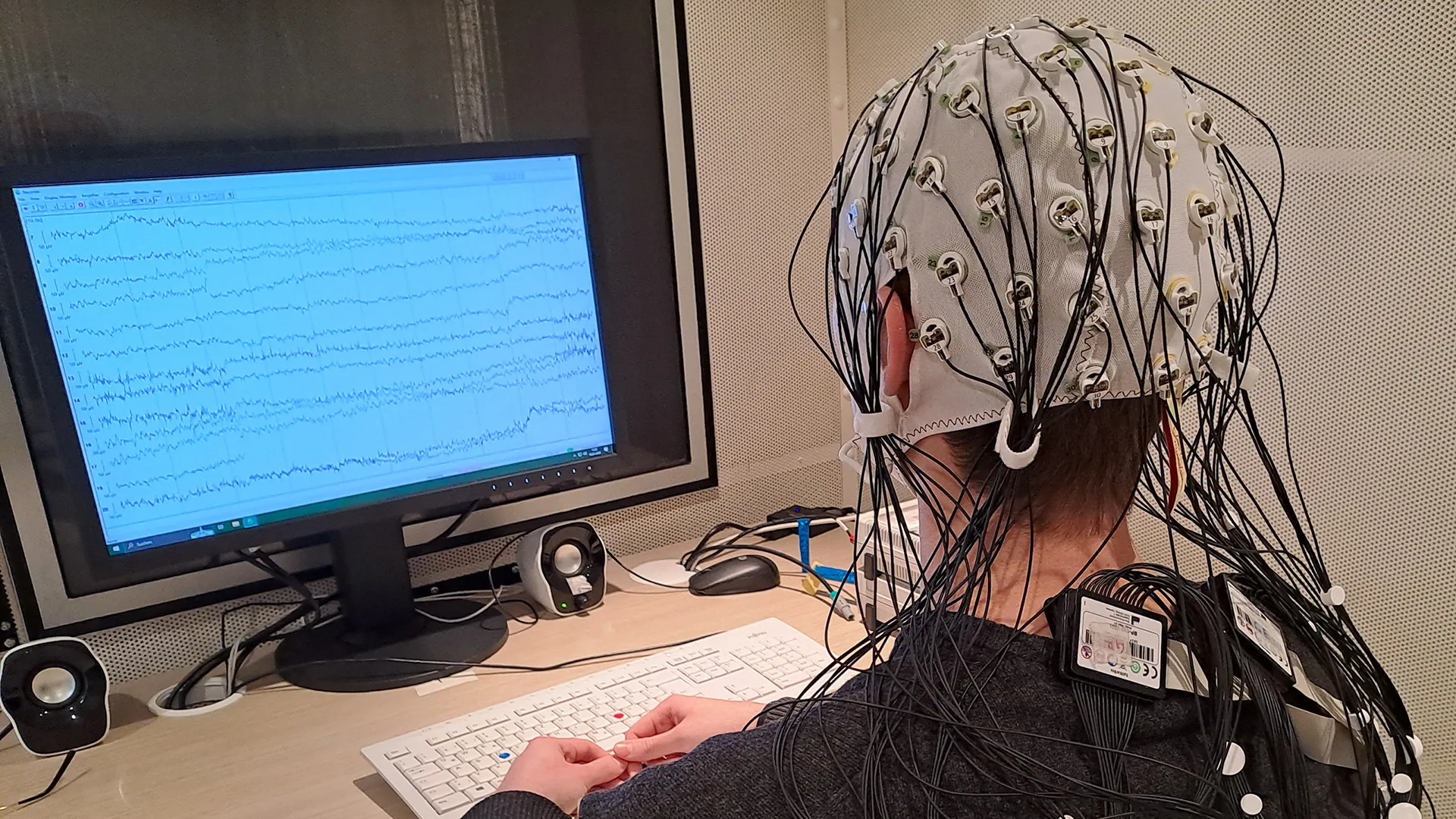
Your brain has a hidden beat — and smarter minds sync to it
When the brain is under pressure, certain neural signals begin to move in sync – much like a well-rehearsed orchestra. A new study from Johannes Gutenberg University Mainz (JGU) is the first to show how flexibly this neural synchrony adjusts to different situations and that this dynamic coordination is closely linked to cognitive abilities. “Specific…
Read More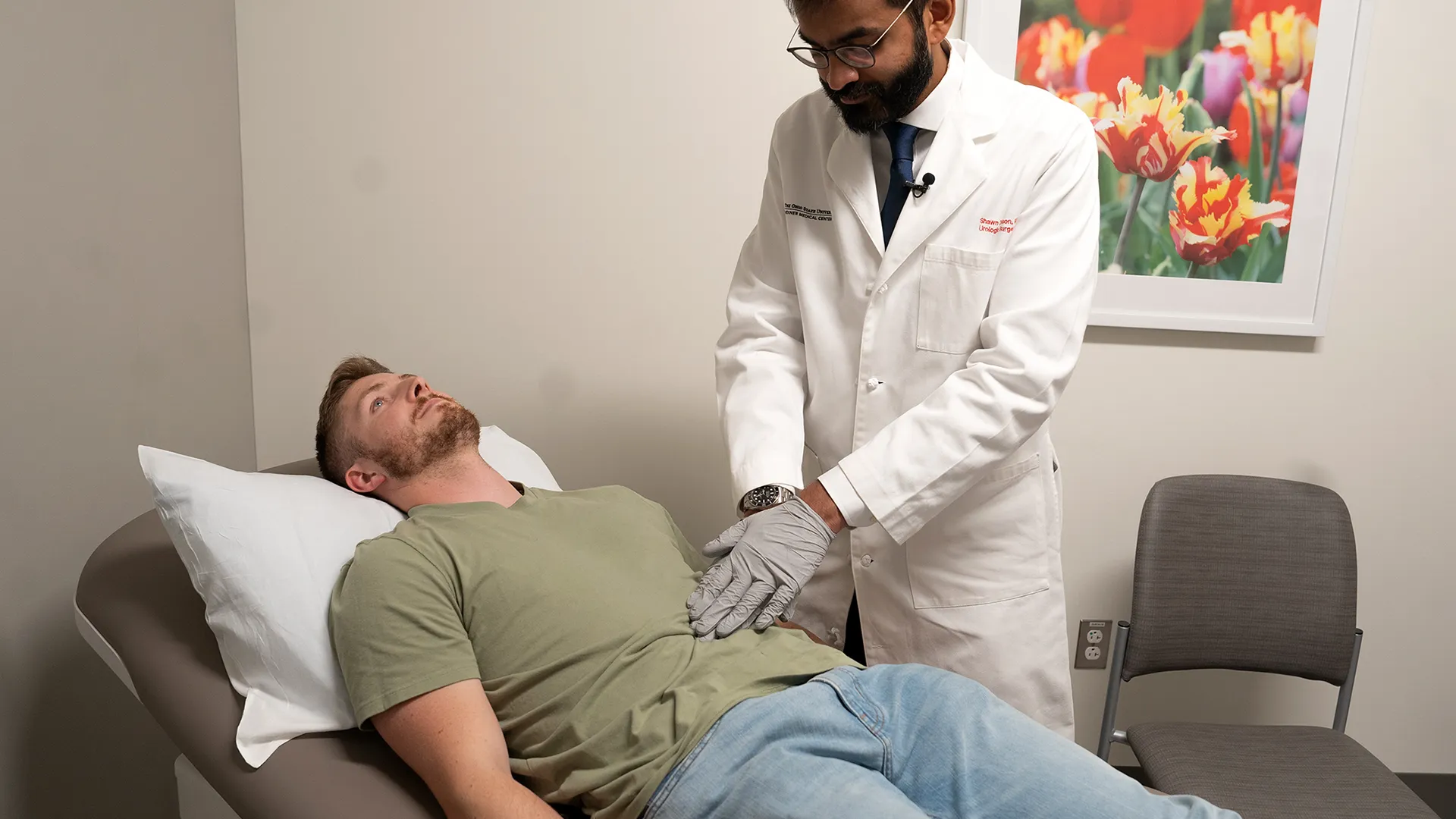
Only 13 % know: The one-minute self-exam that could save young men’s lives
A recent survey commissioned by The Ohio State University Comprehensive Cancer Center — Arthur G. James Cancer Hospital and Richard J. Solove Research Institute (OSUCCC — James) focused on Americans’ perceptions of testicular cancer. The results suggest more can be done to educate the public about the disease, which affects nearly 10,000 adults in the…
Read More
Black coffee, longer life: The science behind your morning perk
While you’re probably not pouring your morning cup for the long-term health benefits, coffee consumption has been linked to lower risk of mortality. In a new observational study, researchers from the Gerald J. and Dorothy R. Friedman School of Nutrition Science and Policy at Tufts University found the association between coffee consumption and mortality risk…
Read More
The invisible killer: PM 1 pollution uncovered across America
Air pollution causes health problems and is attributable to some 50,000 annual deaths in the United States, but not all air pollutants pack the same punch. Scientists have tracked the scope of “PM 2.5” pollution over decades. PM 2.5 is a size of “particulate matter” that is less than 2.5 microns in diameter. But less…
Read More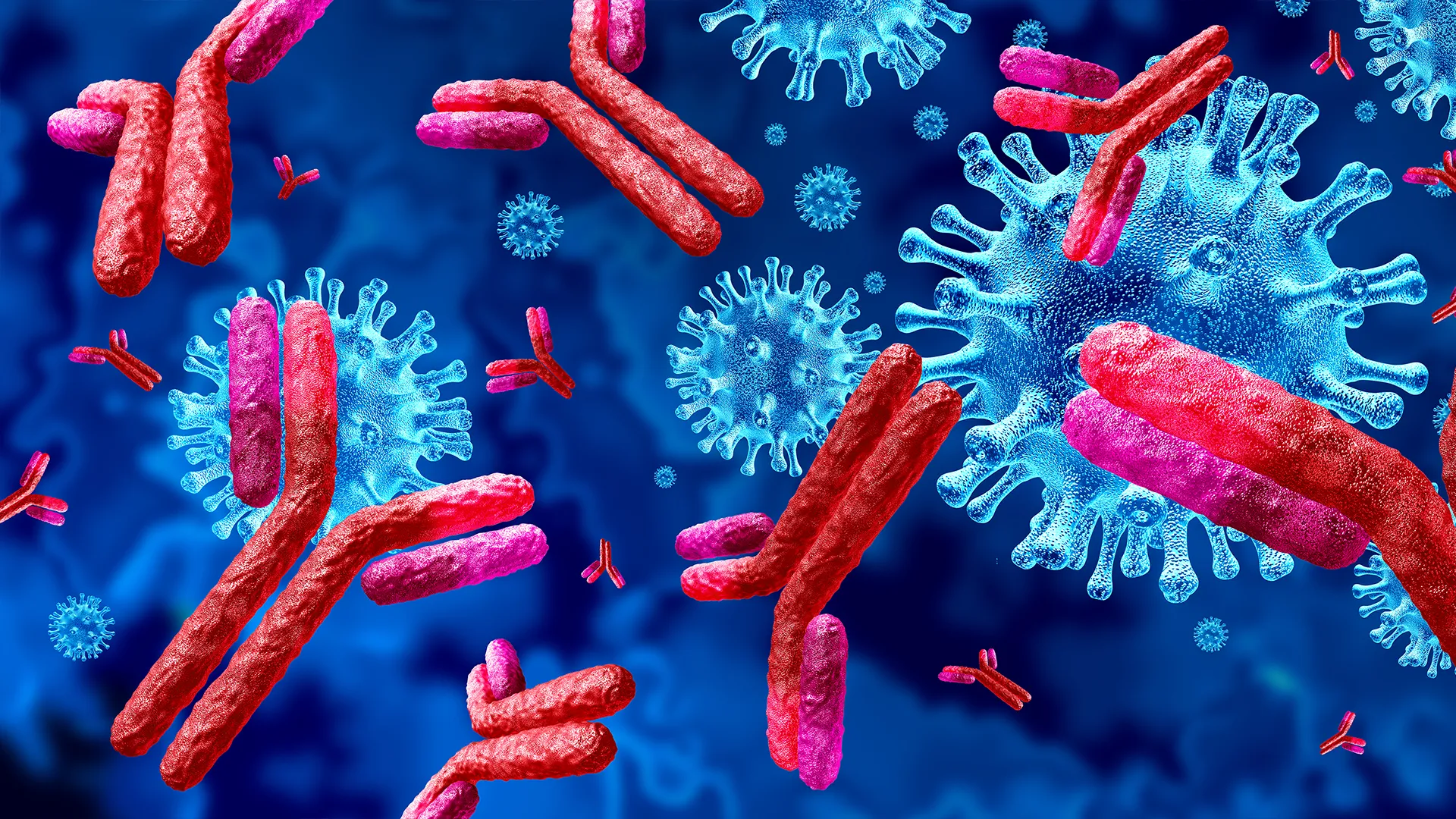
Scientists discover llama antibodies that shut down COVID — and its future variants
Scientists have discovered a unique class of small antibodies that are strongly protective against a wide range of SARS coronaviruses, including SARS-CoV-1 and numerous early and recent SARS-CoV-2 variants. The unique antibodies target an essential highly conserved site at the base of the virus’s spike protein, effectively clamping it shut and preventing the virus from…
Read More
Brain food fight: Rutgers maps the hidden switch that turns cravings on and off
Scientists know the stomach talks to the brain, but two new studies from Rutgers Health researchers suggest the conversation is really a tug-of-war, with one side urging another bite, the other signaling “enough.” Together, the papers in Nature Metabolism and Nature Communications trace the first complementary wiring diagram of hunger and satiety in ways that…
Read More
Space-laser AI maps forest carbon in minutes—a game-changer for climate science
Satellite data used by archaeologists to find traces of ancient ruins hidden under dense forest canopies can also be used to improve the speed and accuracy to measure how much carbon is retained and released in forests. Understanding this carbon cycle is key to climate change research, according to Hamdi Zurqani, an assistant professor of…
Read More
CRISPR-edited stem cells reveal hidden causes of autism
To allow studying the genetic causes of autism spectrum disorder, a Kobe University research team created a bank of 63 mouse embryonic stem cell lines containing the mutations most strongly associated with the disorder. The achievement was made possible by developing a new and more efficient method for changing the genome of embryonic stem cells.…
Read More
Johns Hopkins blood test detects tumor dna three years early
Genetic material shed by tumors can be detected in the bloodstream three years prior to cancer diagnosis, according to a study led by investigators at the Ludwig Center at Johns Hopkins, Johns Hopkins Kimmel Cancer Center, the Johns Hopkins University School of Medicine and the Johns Hopkins Bloomberg School of Public Health. The study, partly…
Read More
Sleep-in science: How 2 extra weekend hours can calm teen anxiety
A new study to be presented at the SLEEP 2025 annual meeting found that teens who get moderate — but not excessive — catch-up sleep on weekends have fewer symptoms of anxiety. Results show that teens who got up to two more hours of sleep on weekends than on weekdays exhibited fewer anxiety symptoms compared…
Read More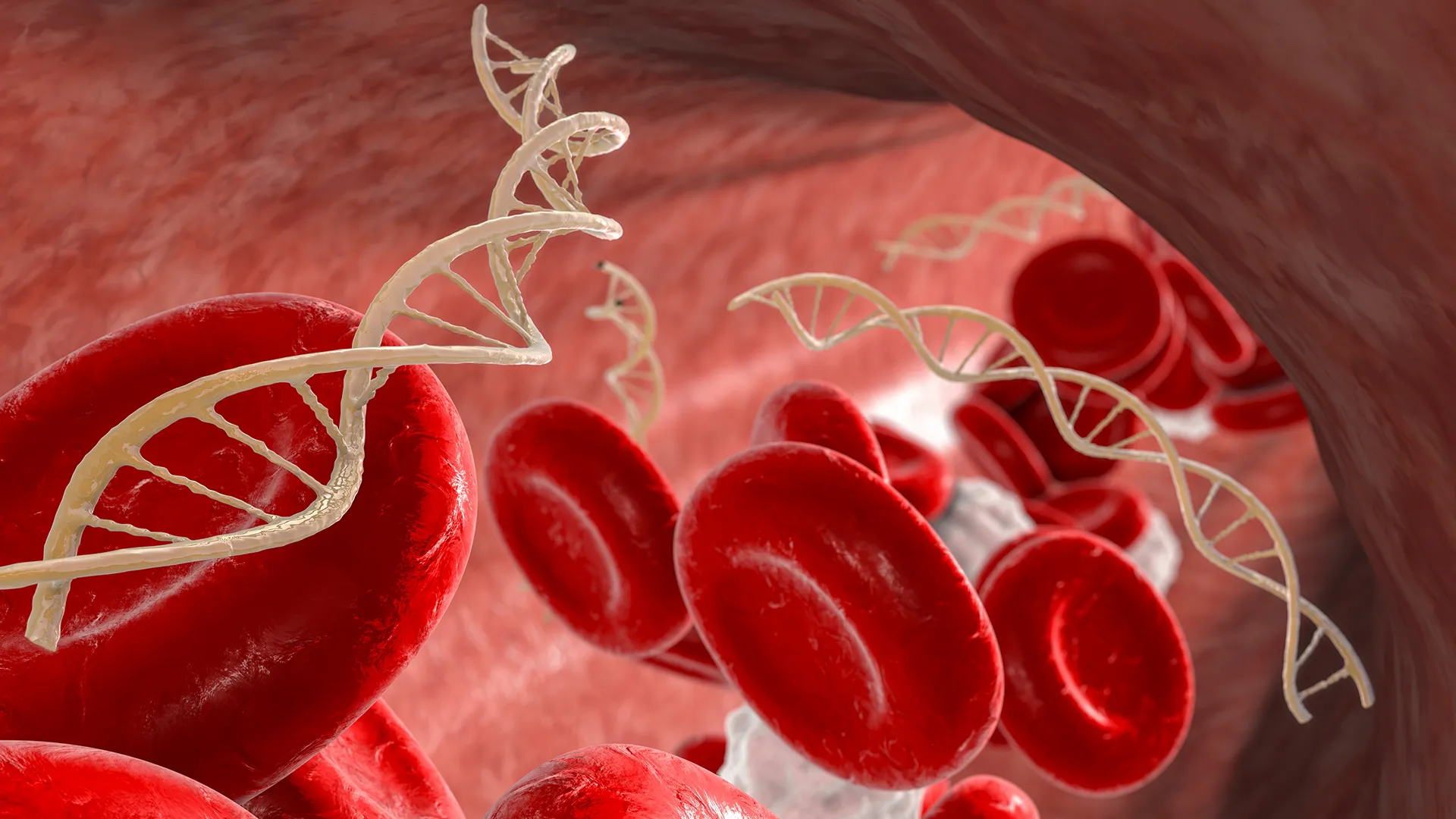
Smart nanoparticles launch genetic attack on lung cancer and cystic fibrosis
Scientists have made a key breakthrough for treating respiratory diseases by developing a new drug delivery system that transports genetic therapies directly to the lungs, opening promising possibilities for patients with conditions like lung cancer and cystic fibrosis. The research, led by Gaurav Sahay of Oregon State University’s College of Pharmacy, was conducted in collaboration…
Read More
Atom-thin tech replaces silicon in the world’s first 2D computer
UNIVERSITY PARK, Pa. — Silicon is king in the semiconductor technology that underpins smartphones, computers, electric vehicles and more, but its crown may be slipping according to a team led by researchers at Penn State. In a world first, they used two-dimensional (2D) materials, which are only an atom thick and retain their properties at…
Read More
Pincer plot twist: How female earwigs evolved deadly claws for love and war
A new study from Toho University reveals that female earwigs exhibit a similar pattern of exaggerated forceps growth as males, suggesting that both sexes may have evolved these traits through sexual selection. Do larger male elk have proportionally larger antlers? The answer is no. In fact, larger individuals tend to have disproportionately larger antlers —…
Read More
Scientists found the brain glitch that makes you think you’re still hungry
Researchers identify “meal memory” neurons in laboratory rats that could explain why forgetting lunch leads to overeating. Scientists have discovered a specific group of brain cells that create memories of meals, encoding not just what food was eaten but when it was eaten. The findings, published today in Nature Communications, could explain why people with…
Read More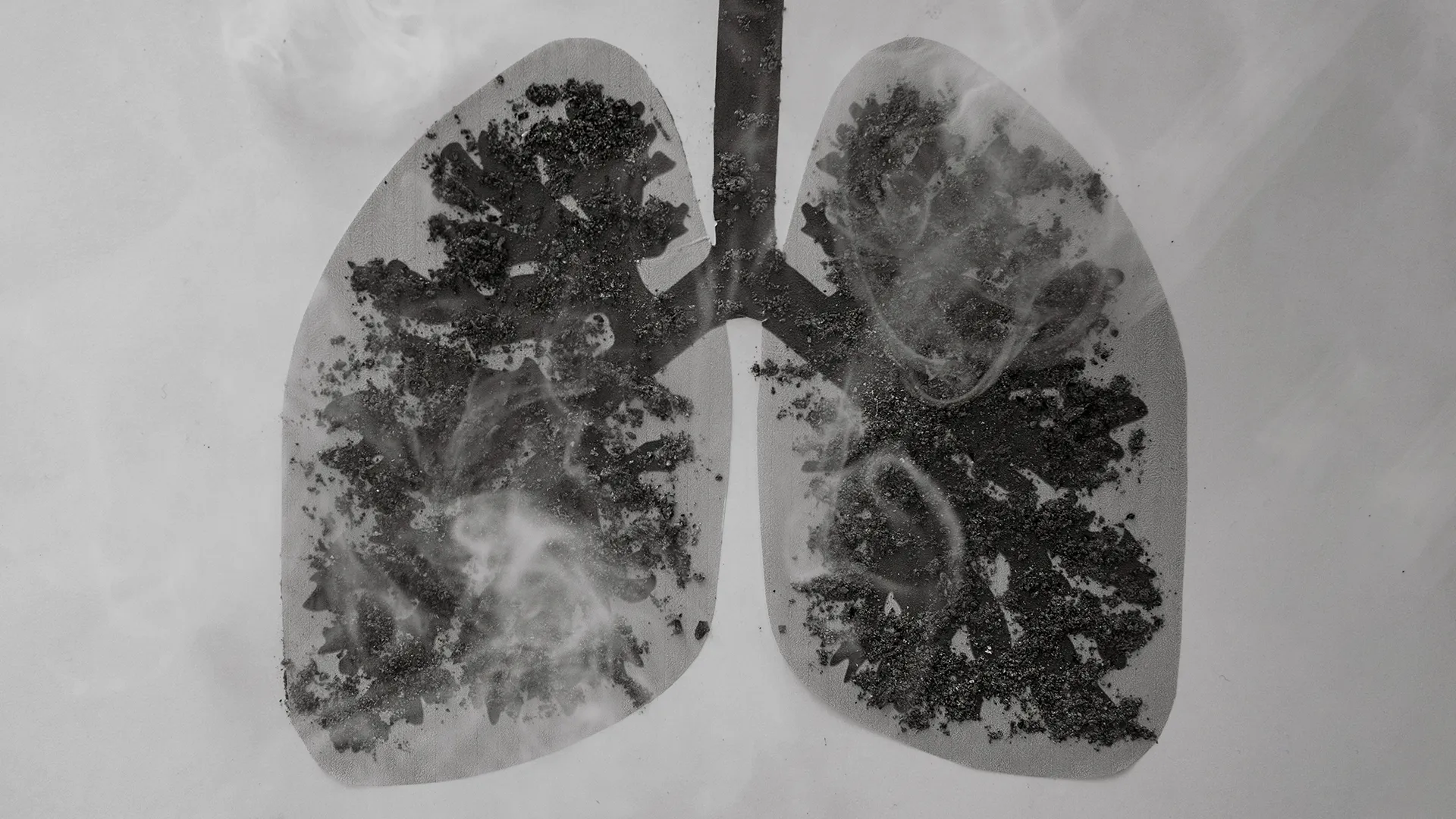
Unusual carbon build-up found in lungs of COPD patients
Cells taken from the lungs of people with chronic obstructive pulmonary disease (COPD) have a larger accumulation of soot-like carbon deposits compared to cells taken from people who smoke but do not have COPD, according to a study published today, June 10, in ERJ Open Research. Carbon can enter the lungs via cigarette smoke, diesel…
Read More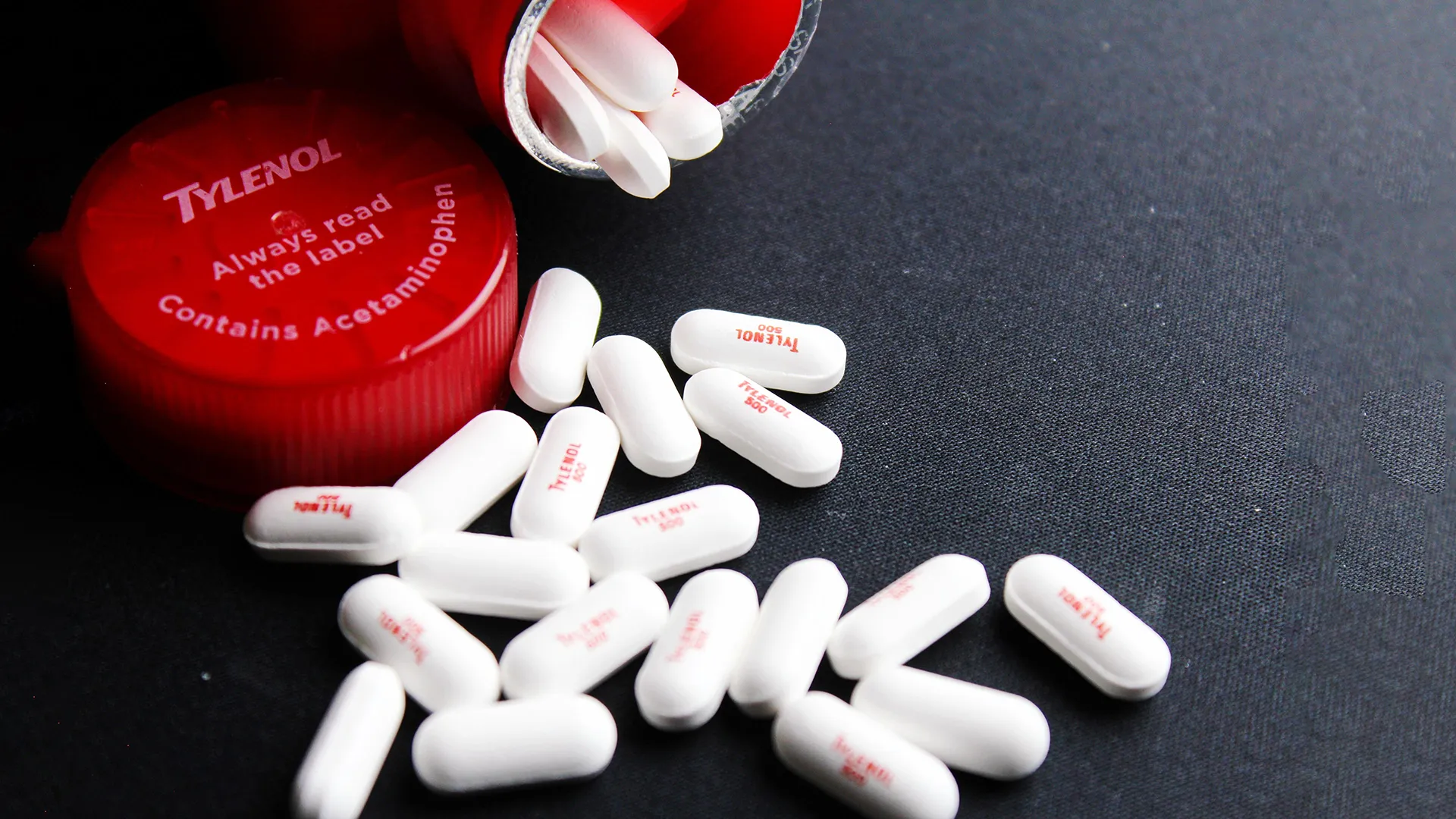
New discovery: Tylenol stops pain at the nerves, before it hits the brain
A new study from Hebrew University reveals that acetaminophen doesn’t just work in the brain — it also blocks pain at its source by acting on nerve endings in the body. The researchers found that its active metabolite, AM404, shuts down specific sodium channels in pain-sensing neurons, stopping pain signals before they reach the brain.…
Read More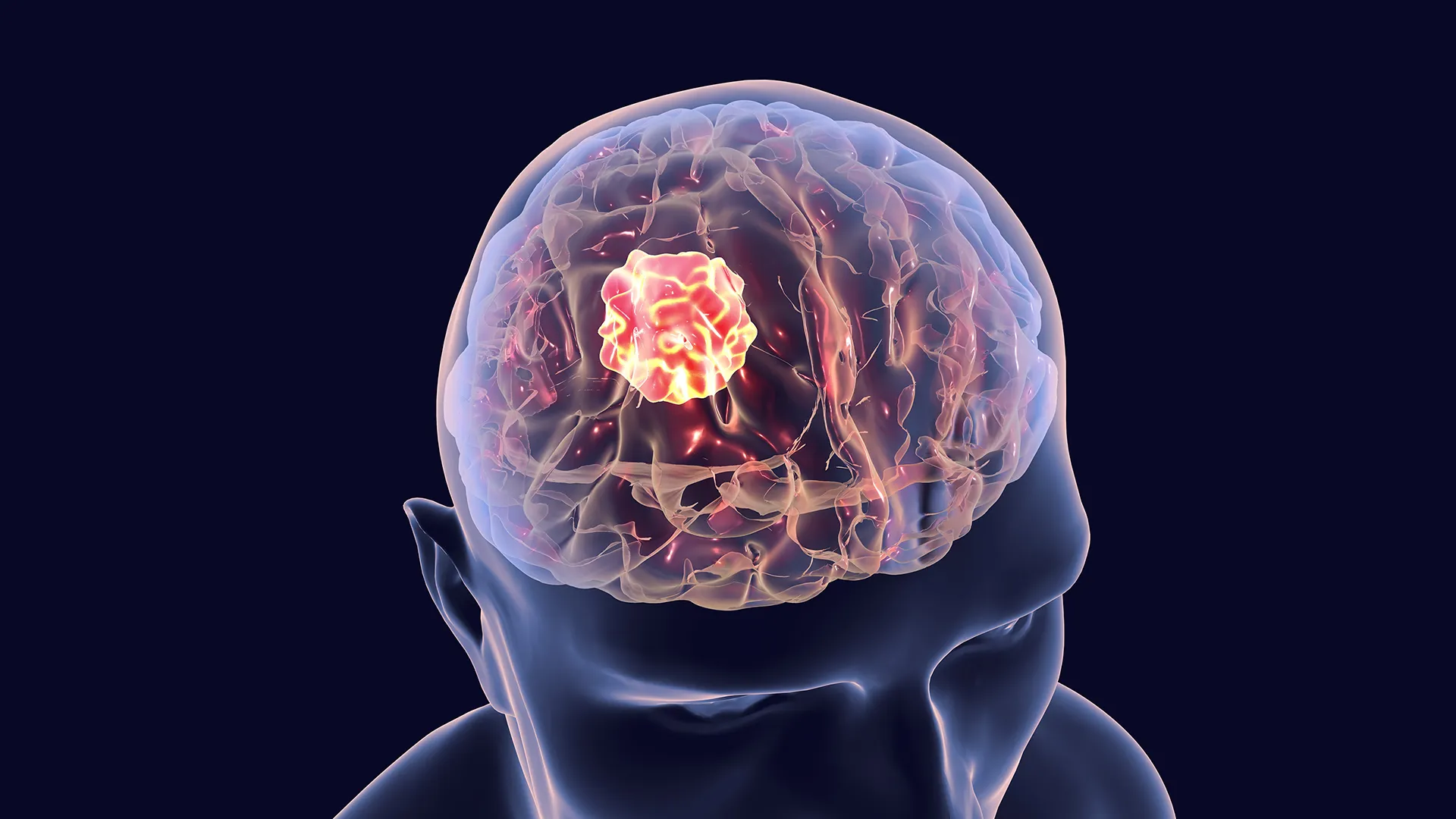
Shocking brain cancer breakthrough: Electric fields supercharge immune assault
A new study led by Keck Medicine of USC researchers may have uncovered an effective combination therapy for glioblastoma, a brain tumor diagnosis with few available effective treatments. According to the National Brain Tumor Society, the average survival for patients diagnosed with glioblastoma is eight months. The study finds that using Tumor Treating Fields therapy…
Read More
How a common antibiotic fuels bacterial resistance
Antibiotics are supposed to wipe out bacteria, yet the drugs can sometimes hand microbes an unexpected advantage. A new study from Rutgers Health shows that ciprofloxacin, a staple treatment for urinary tract infections, throws Escherichia coli (E. coli) into an energy crisis that saves many cells from death and speeds the evolution of full-blown resistance.…
Read More
Common supplement reverses premature aging in landmark human trial
Werner syndrome (WS), a rare genetic disorder that causes accelerated aging. From their twenties, patients develop gray hair, hair loss, cataracts, diabetes, and other age-related conditions normally seen in the elderly. Additionally, patients develop severe and untreatable skin ulcers, often requiring limb amputation, and face early death from cardiovascular diseases or cancer. This debilitating condition,…
Read More
Hidden in your dna: The mutation combo that raises clot risk by 180%
Blood clots can form in both arteries and veins. However, the reasons behind them differ, as do the consequences and the chances of preventing blood clots. In Sweden, almost half of all cases of venous thrombosis have a genetic explanation. A team of researchers from Lund University in Sweden has now discovered three gene variants…
Read More
Whales blow bubble rings—And they might be talking to us
A team of scientists from the SETI Institute and the University of California at Davis documented, for the first time, humpback whales producing large bubble rings, like a human smoker blowing smoke rings, during friendly interactions with humans. This previously little studied behavior may represent play or communication. Humpback whales are already known for using…
Read More
Why your diet might be making you sad—Especially if you’re a man
Following a low calorie diet is linked to a heightened risk of depressive symptoms, finds research published in the open access journal, BMJ Nutrition Prevention & Health. Men and those who are overweight may be especially vulnerable to the effects of restrictive eating, the findings suggest. A ‘healthy’ diet rich in minimally processed foods, fresh…
Read More
Largest-ever map of the universe reveals 10x more early galaxies than expected
In the name of open science, the multinational scientific collaboration COSMOS on Thursday released the data behind the largest map of the universe. Called the COSMOS-Web field, the project, built with data collected by the James Webb Space Telescope (JWST), consists of all the imaging and a catalog of nearly 800,000 galaxies spanning nearly all…
Read More
Epilepsy is more common in patients with frontotemporal dementia than expected
According to a recent study, in patients with frontotemporal dementia (FTD), epileptic seizures are significantly more common than previously known. The discovery deepens understanding of the symptoms of this memory disorder and emphasises the importance of taking epileptic seizures into account in the treatment and monitoring of patients. Coordinated by Neurocenter Finland, this major project…
Read More Pancreatic cancer spreads to liver or lung thanks to this protein
A protein called PCSK9 determines how pancreatic cancer cells metastasize to different parts of the body. Scientists at UC San Francisco have discovered how pancreatic cancer cells thrive in the lungs or liver, environments that are as distinct to cells as the ocean and desert are to animals. The spread of cancer cells to organs…
Read More Molecular link between air pollution and pregnancy risks
A new study by Emory University researchers, published Thursday in Environmental Science & Technology, found that exposure to the tiny particles in air pollution during pregnancy can disrupt maternal metabolisms, altering key biological pathways. These changes were associated with increased risk of various negative birth outcomes, including premature birth. The study, which analyzed blood samples…
Read More Eating an array of smaller fish could be nutrient-dense solution to overfishing
To satisfy the seafood needs of billions of people, offering them access to a more biodiverse array of fish creates opportunities to mix-and-match species to obtain better nutrition from smaller portions of fish. The right combination of certain species can provide up to 60% more nutrients than if someone ate the same quantity of even…
Read More Guardrails, education urged to protect adolescent AI users
The effects of artificial intelligence on adolescents are nuanced and complex, according to a report from the American Psychological Association that calls on developers to prioritize features that protect young people from exploitation, manipulation and the erosion of real-world relationships. “AI offers new efficiencies and opportunities, yet its deeper integration into daily life requires careful…
Read More Decades-old assumptions about brain plasticity upended
A new study from Pitt researchers challenges a decades-old assumption in neuroscience by showing that the brain uses distinct transmission sites — not a shared site — to achieve different types of plasticity. The findings, published in Science Advances, offer a deeper understanding of how the brain balances stability with flexibility, a process essential for…
Read More Researchers develop innovative model to study sense of smell
Using a newly devised, three-dimensional model to study the regeneration of nerve tissue in the nose, researchers at Tufts University School of Medicine and the Graduate School of Biomedical Sciences (GSBS) and colleagues have discovered that one type of stem cell thought to be dormant may play a more significant role in preserving the sense…
Read More Preventing chronic inflammation from turning into cancer
Chronic inflammatory bowel disease is challenging to treat and carries a risk of complications, including the development of bowel cancer. Young people are particularly affected: when genetic predisposition and certain factors coincide, diseases such as ulcerative colitis or Crohn’s disease usually manifest between the ages of 15 and 29 — a critical period for education…
Read More Attachment theory: A new lens for understanding human-AI relationships
Human-AI interactions are well understood in terms of trust and companionship. However, the role of attachment and experiences in such relationships is not entirely clear. In a new breakthrough, researchers from Waseda University have devised a novel self-report scale and highlighted the concepts of attachment anxiety and avoidance toward AI. Their work is expected to…
Read More Evolution of a single gene allowed the plague to adapt, survive and kill much of humanity over many centuries
Scientists have documented the way a single gene in the bacterium that causes bubonic plague, Yersinia pestis, allowed it to survive hundreds of years by adjusting its virulence and the length of time it took to kill its victims, but these forms of plague ultimately died out. A study by researchers at McMaster University and…
Read More Does outdoor air pollution affect indoor air quality? It could depend on buildings’ HVAC
We typically spend 80% of our time indoors, where the quality of the air we breathe depends on the age and type of building we occupy, as well as indoor pollution and outdoor pollution sources. But also playing an important role is the kind of HVAC system used to heat, ventilate and cool the building,…
Read More Common gene variant doubles dementia risk for men
New research has found that men who carry a common genetic variant are twice as likely to develop dementia in their lifetime compared to women. The research, published in Neurology, used data from the ASPirin in Reducing Events in the Elderly (ASPREE) trial to investigate whether people who had variants in the haemochromatosis (HFE) gene,…
Read More Singing to babies improves their mood
Singing to your infant can significantly boost the baby’s mood, according to a recent Yale study published May 28 in Child Development. Around the world and across cultures, singing to babies seems to come instinctively to caregivers. Now, new findings support that singing is an easy, safe, and free way to help improve the mental…
Read More Mediterranean diet provides symptom relief for patients with IBS in pilot study
A pilot study from Michigan Medicine researchers found that the Mediterranean diet may provide symptom relief for people with irritable bowel syndrome. Study participants were randomized into two groups, one following the Mediterranean diet and the other following the low FODMAP diet, a common restrictive diet for IBS. In the Mediterranean diet group, 73% of…
Read More Innovative immunotherapy shows promise against aggressive T cell cancers
A new type of immunotherapy that targets aggressive blood cancers shows promising results alongside manageable side effects, according to the results of an international phase 1/2 clinical trial led by researchers at Washington University School of Medicine in St. Louis. The clinical trial evaluated the safety and efficacy of an innovative CAR-T cell immunotherapy that…
Read More Sustained in the brain: How lasting emotions arise from brief stimuli, in humans and mice
We don’t always understand our emotions, but we couldn’t lead normal lives without them. They steer us through life, guiding the decisions we make and the actions we take. But if they’re inappropriate or stick around for too long, they can cause trouble. Neuroscientists and psychiatrists, despite their best efforts, don’t understand nearly enough about…
Read More Leprosy existed in America long before arrival of Europeans
Long considered a disease brought to the Americas by European colonizers, leprosy may actually have a much older history on the American continent. Scientists from the Institut Pasteur, the CNRS, and the University of Colorado (USA), in collaboration with various institutions in America and Europe, reveal that a recently identified second species of bacteria responsible…
Read More Nearly five million seized seahorses just ‘tip of the iceberg’ in global wildlife smuggling
Close to five million smuggled seahorses worth an estimated CAD$29 million were seized by authorities over a 10-year span, according to a new study that warns the scale of the trade is far larger than current data suggest. Published today in Conservation Biology, the study analyzed online seizure records from 2010 to 2021 and found…
Read More Bed bugs are most likely the first human pest, new research shows
Ever since a few enterprising bed bugs hopped off a bat and attached themselves to a Neanderthal walking out of a cave 60,000 years ago, bed bugs have enjoyed a thriving relationship with their human hosts. Not so for the unadventurous bed bugs that stayed with the bats — their populations have continued to decline…
Read More