What does a PCB fabrication assembly technician do?

PCB fabrication assembly
A PCB (Printed Circuit Board) fabrication assembly technician plays a crucial role in the manufacturing and assembly of printed circuit boards that are essential for modern electronics. These technicians are responsible for ensuring that the PCB fabrication assembly process runs smoothly and that the final product meets the required quality and performance standards. Their duties involve a combination of technical skills, attention to detail, and an understanding of both the electrical and mechanical aspects of PCB production. A PCB fabrication assembly technician’s work directly impacts the functionality and reliability of the electronic devices in which these PCBs are used.
The first responsibility of a pcb fabrication assembly technician is to prepare the materials for the fabrication and assembly process. This includes ensuring that all components, such as resistors, capacitors, microchips, and connectors, are available and meet the required specifications. The technician may be responsible for inspecting incoming components to verify their quality and authenticity. Additionally, they often handle the preparation of PCB substrates, such as copper-clad laminates, ensuring they are clean and ready for etching and other processes.
Once the materials are prepared, the technician assists in the fabrication of the PCB itself. This step involves tasks such as etching copper traces, drilling holes for component leads, and applying a solder mask to protect the board’s conductive paths. Using specialized machinery and tools, the technician ensures that these steps are performed with precision, adhering to design specifications and tolerances. Any discrepancies in these processes can result in faulty circuits or poor performance, so the technician must maintain a high level of accuracy.
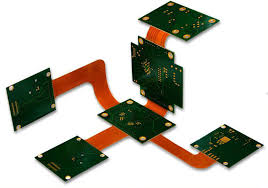
What does a PCB fabrication assembly technician do?
In the assembly phase of the PCB fabrication assembly process, the technician plays a hands-on role in placing components onto the board. Using automated equipment, such as pick-and-place machines, the technician ensures that the components are accurately positioned on the PCB. For complex boards or smaller components, the technician may need to manually place certain parts or adjust the settings of the automated equipment. Once the components are positioned correctly, the technician is responsible for ensuring that the board goes through the soldering process. This can involve wave soldering or reflow soldering techniques, where heat is applied to melt solder paste and securely attach the components to the board.
After the assembly is complete, the PCB fabrication assembly technician conducts visual inspections to check for errors such as misplaced components, soldering defects, or broken traces. Some defects may be visible to the naked eye, while others require the use of specialized tools like automated optical inspection (AOI) machines, which scan the PCB for issues. The technician may also perform in-circuit testing (ICT) to verify that the electrical connections are functioning properly. This testing ensures that each component is correctly integrated into the circuit, and the board operates as intended.
One of the key responsibilities of a PCB fabrication assembly technician is maintaining equipment used in the production process. This includes regularly calibrating machines, troubleshooting malfunctions, and ensuring that all equipment is functioning optimally. Any downtime in the fabrication or assembly process can lead to delays, so the technician must be proactive in maintaining and repairing equipment to keep the workflow uninterrupted.
Additionally, a PCB fabrication assembly technician must be familiar with quality control procedures and industry standards. This includes adhering to guidelines such as IPC-A-610, which sets the standard for acceptable soldering and PCB assembly practices. The technician must ensure that all boards meet these standards before they move on to the next phase of production or shipping. Regular audits and inspections are part of this process, ensuring that the boards not only meet design specifications but also perform reliably in real-world applications.
In conclusion, a PCB fabrication assembly technician plays a vital role in the production of high-quality printed circuit boards. Their responsibilities encompass a broad range of tasks, from material preparation and fabrication to assembly, inspection, testing, and maintenance of equipment. The technician’s attention to detail, technical expertise, and ability to troubleshoot issues directly influence the efficiency, quality, and success of the PCB fabrication assembly process. Their work ensures that the final product meets the rigorous standards required by industries such as electronics, automotive, medical devices, and telecommunications.