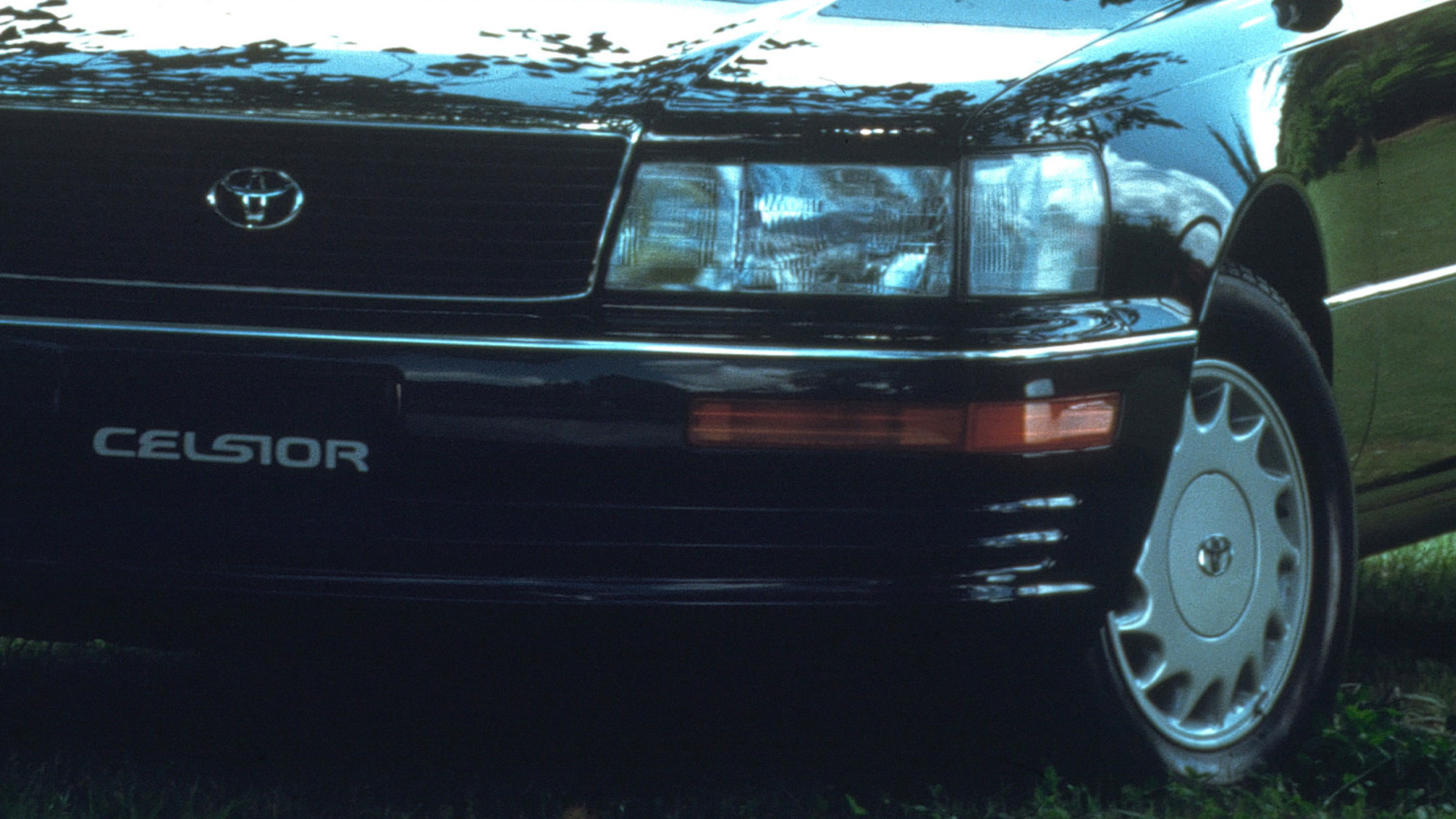
The V8-Powered Toyota Luxury Sedan You’ve Never Heard Of

The malaise era helped Asian automakers to establish a stronger foothold in the American marketplace, but, as engine technology improved, and we put some distance between ourselves and the oil crisis, brands like Toyota would be looking for new ways to appeal to American drivers beyond fuel economy alone.
Lexus
Founded in 1989, Lexus is a premium automaker created by Toyota as a rival to Mercedes-Benz and BMW. Its first model, the Lexus LS, became renowned as a true S-Class rival at a fraction of the cost and is known as one of the most reliable cars in the world. Subsequent models from the brand have achieved equal fame, including the IS, RX, and LX. With global sales of 824,258 cars in 2023, Lexus has become a prime example of how a start-up can enter the premium space and succeed, something few rivals have managed since.
- Founded
-
1989
- Founder
-
Eiji Toyoda, Toyota
- Headquarters
-
Nagoya, Japan
- Owned By
-
Toyota Motor Corporation
- Current CEO
-
Takashi Watanabe (President)
That might not seem like the most obvious backstory for a car that never made it to the United States, but here’s the catch: we actually did get the Celsior, Toyota’s V8-powered sedan. First, we just called it the Lexus LS. Here’s how an iconic luxury car made its way from Japan to America and back to Japan.
The following is based primarily on literature published by Toyota and Lexus, as well as market value research on used car and auction websites. Any opinions provided thereupon are those of the author.
A Brief History Of The Toyota Celsior
We’ve gone in-depth on the history of Lexus and the LS before. To make a long story short, Toyota began brainstorming the flagship sedan back in 1983 under a codename, “the F1 project.” F, for “flagship.” Development of the first Lexus, the 1989 LS400, cost Toyota more than one billion dollars, or around two and a half billion today, which was a pretty steep bill back in the late 1980s.
|
Model |
1989 Toyota Celsior |
1994 Toyota Celsior |
2000 Toyota Celsior |
|---|---|---|---|
|
Engine |
4.0-Liter NA 8-Cylinder |
4.0-Liter NA 8-Cylinder |
4.3-Liter NA 8-Cylinder |
|
Power |
250 hp |
260 hp |
290 hp |
|
Torque |
258 lb-ft |
270 lb-ft |
320 lb-ft |
|
Transmission |
4-Speed Automatic |
4 or 5-Speed Automatic |
5 or 6-Speed Automatic |
|
Drivetrain |
Rear-Wheel Drive |
||
The idea was to build a prestige brand for the overseas market. Toyota was regarded, in the US, as a more practical automaker, rather than as something that could seriously compete with European luxury brands like BMW and Mercedes, and that’s a reputation that follows models like the Camry today, for better or for worse. So Toyota needed to establish a whole new brand, and it needed to make a strong first impression. And, well, the rest is history. Lexus sold 851,214 units globally in 2024, so it’s safe to say that the billion-dollar gamble paid off in establishing a new luxury brand.

Related
10 Reasons The Original LS 400 Is The Best Lexus Ever Built
The Lexus LS 400, born in the 1980s era of innovation, is an automotive icon showcasing practical luxury, superior engineering, and thoughtful design.
So where does the Celsior fit into all this? Well, in Japan, Toyota was already seen as an automaker capable of building a high-end car, there was no “fuel-efficient compact” stigma to overcome in the automaker’s homeland, so there was no need to sell the LS400 under any brand but Toyota. It would only need its own name for the Japanese market, so Toyota came up with Celsior, from the Latin word celsus, which translates to elevated.
The LS would retain the Toyota Celsior name across the first three generations. In 2006, Japan brought Lexus back home and retired the Celsior nameplate, selling the car under the LS moniker.
Why Did It Take So Long To Bring Lexus To Japan?
In 2006, Lexus introduced the fourth-gen Lexus LS, the XF40 generation, which would run until the 2017 model year. The new LS would be made available in all-wheel drive, and Lexus would go on to introduce an optional 5.0-liter hybrid V8 engine, delivering 439 hp in the LS 600h. This would also be the first model year when the LS was made available in Japan, meaning that the Celsior nameplate would be retired.
So, what changed? Why did Toyota think it was finally time to bring Lexus back to its country of origin?

Related
How Much It Costs To Buy And Maintain The First-Generation Lexus LS 400
Classics always need a little extra TLC to keep running, but what about the first-generation of one of the most reliable sedans ever made?
If you look back on what Toyota was saying back in the mid-2000s, the stated intention was actually to establish Lexus as a global brand. The Japanese market was expected to account for around 50,000 or so units, year after year, and these were sales that Toyota was already reaping. So it was less about tapping into the Japanese market than it was about further establishing the Lexus name as a worldwide leader in affordable luxury cars. Basically: if you want to build a global brand, you can’t skip Japan, and Japanese companies are no exception to that rule.
Can You Buy A Toyota Celsior In The US?
It’s possible to find a Toyota Celsior in the US. A Bring a Trailer listing for a 1995 Celsior closed at $11,250 last summer, with just 10,000 miles on the odometer (or rather, 16,000 kilometers) and a New Hampshire title. If you keep an eye out, Celsiors that have made their way over to the United States can be had for a fair price.
The question is simply whether it’s worth the extra cost for right-hand drive steering wheel and a Toyota badge. Kelley Blue Book lists a 1995 Lexus LS400 in good condition at a fair market price of $3,397. A Toyota grille emblem goes for as little as nine bucks on eBay, and swapping badges is one of the easiest at-home customizations you can do. Spending three times as much for the novelty of owning the Japanese version of a car that was developed with the American market in mind seems like a weird thing to do for anyone except Jay Leno.
Related
How Much It Costs To Buy And Maintain The First-Generation Lexus LS 400
Classics always need a little extra TLC to keep running, but what about the first-generation of one of the most reliable sedans ever made?
We can definitely advise against importing a Toyota Celsior. The first two generations are well past the twenty-five-year rule at this point, so they’re legal to bring stateside. But, you’re looking at import costs in the four to five thousand dollar range, and that’s not counting the expenses of locating and buying the car itself.
This isn’t to completely discourage you from the idea of buying a Celsior. It would be pretty fun to pull up on your friends with a mirror image of a mid-90s Lexus, but the bottom line is that you don’t need to actually buy a Celsior in order to get behind the wheel of a Celsior. For all intents and purposes, it really is the exact same car as the Lexus LS; It just happens to have metric system units on the gauges, the steering wheel on the opposite side of the car, and an owner’s manual written in Japanese.
Sources: Toyota Automobile Museum, Bring a Trailer, Kelley Blue Book, Global Toyota