Ford Ranger Generations Ranked By Reliability

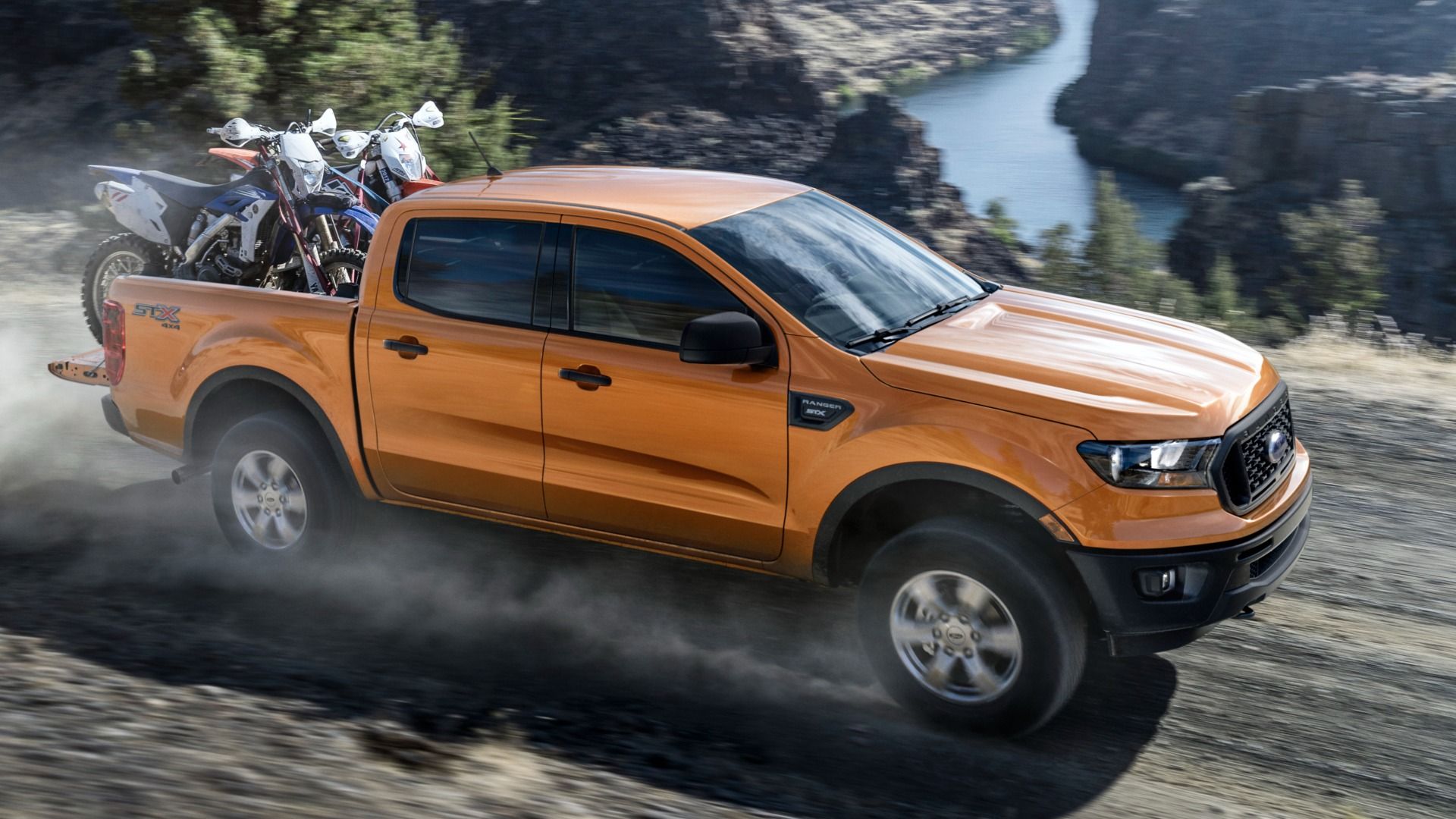
The Ford Ranger has served as one of the most popular compact/midsize pickup trucks within the Blue Oval model range. Though it has not been in production as long as its more widely known, prolific truck sibling, the Ford F-150, multiple iterations of the Ranger have been acquired by buyers seeking a dependable utility tool to utilize in various environments, from a worksite to any number of outdoor adventures. As a result of its extended production period, many Rangers are available on the second-hand market, accessible to those looking for their next workhorse at a significant discount. With direct competition from Japanese brands like Toyota that also produce long-standing compact and midsize trucks, it begs the question as to which Ford Ranger models have proven to be the least troublesome and dependable in the long run?
Ford
- Founded
-
June 16, 1903
- Founder
-
Henry Ford
- Headquarters
-
Dearborn, Michigan, USA
- Owned By
-
Publicly Traded
- Current CEO
-
Jim Farley
In the following article, we aim to pick out which are the best Ford Ranger generations to pick when it comes to overall reliability, as well as the generations that are considered the weakest in this department.
This analysis excludes 2024 and newer Ford Rangers, as not enough time has passed for us to accurately assess their reliability. We focus on the first four generations of the Ford Ranger, consulting a variety of reputable sources, while also taking into account the number and severity of consumer complaints/recalls. We have also focused on the normal Ranger variants, not the high-performance Ranger Raptor or Tremor models in this reliability overview.
J.D. Power quality and reliability ratings have been included, if available. However, it must be noted that these ratings are an assessment of initial reliability, not long-term reliability.
|
Ford Ranger: 1st–5th Generation Overview |
|||||
|---|---|---|---|---|---|
|
1st Generation |
2nd Generation |
3rd Generation |
4th Generation |
5th Generation |
|
|
Model Years |
1983–1992 |
1993–1997 |
1997–2011 |
2019–2023 |
2024–current |
|
Engines |
|
|
|
|
|
|
Transmissions |
|
|
|
10-speed Automatic |
|
|
Drivetrain |
Rear-wheel Drive/All-wheel Drive |
||||

Related
Ford Ranger Vs. F-150: Blue Oval Pickups Compared
Think pick-up truck, think Ford. In this article, we compare the F-150 and Ranger, two of the most popular trucks in the US.
5
Third-generation Ford Ranger: 1997–2011
Third-generation Ford Rangers are considered the weakest when it comes to reliability. One of the few American Ford models that spanned the most years in production, the third-gen Ranger ran from 1997 up to 2011. With its square, utility-first body shape, it was available with a variety of naturally aspirated inline-four cylinder and V6 engines paired to a five-speed manual or automatic transmission. The various refreshes over the course of its extensive production comprised periodic updates to its exterior appearance, more onboard equipment, and improved efficiency of the powertrains.
Two major mass recalls affected many third-gen Rangers, with a special focus on those made towards the beginning and middle of their production run that could pose serious safety hazards. Rangers made from 1997 to 2001 were among the many Ford models that could be equipped with faulty Firestone Wilderness all-terrain tires that could experience separation of their rubber material, causing tire blowouts and loss of control that could lead to a serious accident. An alarming number of injuries and deaths involving Ford trucks and SUVs equipped with these problematic Firestone tires were reported from press coverage and NHTSA findings, which doesn’t bode well for this Ranger gen’s overall safety image.
“Ford is replacing all Firestone Wilderness AT 15, 16, and 17-inch tires mounted on Ford trucks and SUVS. Ford reports tread separation can occur due to a combination of the sensitivity of the tire design to stress, aging, and manufacturing differences between plants. Ford is replacing these tires to prevent possible premature tire failure…certain 1991 through 2001 Ford Rangers may have been originally equipped with Firestone Wilderness AT tires or may have had Wilderness AT tires installed during the Firestone recall launched in August 2000.”
– NHTSA Campaign No. 01X001000
Commonly Known Issues: Third-generation Ford Ranger
- Electrical problems
- Powertrain issues
- Wheels/hubs issues
- Safety restraint system issues
Highest J.D. Power quality and reliability rating: 87/100 (2010 model)
Adding to this, later third-gen Rangers were also among many models that could possess potentially faulty airbag inflators as part of the widespread Takata airbag recall, which affected models from brands across the automotive industry. One incident involving a 2006 Ford Ranger was even cited as the cause of death for its driver as a result of said faulty Takata components not allowing the driver’s side airbag to inflate and offering sufficient protection.
“The National Highway Traffic Safety Administration calls on everyone to check NOW for open recalls after another Takata fatality. NHTSA is issuing this urgent warning after one person was killed after a crash in a 2006 Ford Ranger where the Takata driver’s side airbag inflator ruptured. The vehicle was already under a “do not drive” warning.
NHTSA is urging ALL vehicle owners to immediately check to see if their vehicle has an open Takata airbag recall. If it does, owners need to contact their dealership to schedule a FREE repair as soon as possible and follow any warnings from the vehicle manufacturer.”
– NHTSA, November 17, 2022
Out of all Rangers generations, the third also received the most complaints and recalls issued – between 11-13 recalls for 1998 and 1999 Rangers, with up to 818 complaints recorded for 1999 models as well. Though the last run of Rangers doesn’t appear to be as trouble-prone, we would still recommend avoiding this generation if you want to increase your chances of finding the most reliable second-hand examples.

Related
Ford Crying Out Loud, Another Recall For A Previous Recall
It’s like Ford is living a recall-themed version of “Groundhog Day.”
4
Second-generation Ford Ranger: 1993–1997
Second-generation Ford Rangers are also not recommended when it comes to finding a reliable example of the pickup. For the second iteration made for the 1993 to 1997 model years, the Ranger dropped the option for a diesel powertrain, making it exclusively gasoline-powered from this generation. Much of its platform underneath remained the same as its predecessor, as well as continuing to be available in two-door crew cab/extended cab pickup form. Power could be sent to the rear or all four wheels through an available transfer case. From the 1994 model year, the Ranger was also sold abroad under the Japanese Mazda brand, rebadged as the Mazda B-Series.
Commonly Known Issues: Second-generation Ford Ranger
- Interior accessories issues
- Fuel system problems
- Brake system problems
Highest J.D. Power quality and reliability rating: N/A
Powertrain and electrical gremlins tend to be the biggest problems with these models. The second-gen Ranger with the most reported issues is the 1997 model; 71 complaints were logged with the NHTSA related to the fuel system (cracked fuel filler hoses/lines) and 62 complaints related to interior accessories issues. Sporadic electrical problems are also some of the most common complaints, but given the age of these Rangers, the solutions to faulty exterior lights or interior lamps should not be a big concern, with replacement components easily acquirable. Though the Mazda badge did make its way onto some of these models, it did not significantly affect the platform underneath or improve the general build quality as some may assume. It was essentially just a minor badge swap that still used the existing Ford mechanics.

Related
NHTSA Issues Urgent Takata Airbag Warning After Fatal Ford Ranger Crash
The Takata airbag scandal continues unabated.
3
Fourth-generation Ford Ranger: 2019–2023
The youngest generation on our list, the fourth-generation Ford Rangers, are among the more solidly-built examples available. After an extended hiatus from the North American product lineup, the Ranger returned to the market for the 2019 model year. Turbocharged engines made an appearance for the first time on the Ranger nameplate, with an Ecoboost turbocharged four-cylinder paired with a 10-speed automatic transmission the sole option. A manual transmission was no longer available.
Commonly Known Issues: Fourth Generation Ford Ranger
- Transmission issues
- Bodywork/paint issues
- Interior accessories issues
Highest J.D. Power quality and reliability rating: 87/100 (2021 & 2023 models)
Being one of the most up-to-date Rangers, better build-quality and equipment are the main selling points of fourth-gen models – from Ford’s SYNC infotainment system that brings cabin tech to modern standards, and the efficient but powerful EcoBoost engines available for the first time on the Ranger platform. That being said, as with most Ford products of the past decade, some report problematic automatic transmissions that have difficulties engaging gears and other mechanical issues, from transmission slipping to grinding. Some also experience their paintwork chipping early in the truck’s life, but this is likely a very rare occurrence based on available data. Several recalls were issued over improperly installed seatbelts, and most recently, to update the load-carrying capacity measurements (which could lead to overloading on the stock wheels/tires).
“Ford Motor Company (Ford) is recalling certain 2022-2023 Bronco, 2023 Super Duty F-250, and 2019-2023 Ranger vehicles. The Tire and Loading Information (TREAD) label states the incorrect load-carrying capacity, which can result in an overloaded vehicle. As such, these vehicles fail to comply with the requirements of Federal Motor Vehicle Safety Standard number 110, “Tire Selection and Rims.”
– NHTSA, Campaign No. 23V379000
If buyers are targeting this generation, it’s worthwhile to pay the extra costs associated with having a pre-purchase inspection done for full transparency on the overall health of a Ranger they may be considering, even on the newest ones that may not have accumulated excessive mileage.

Related
Ford Vehicles The USA Doesn’t Get But Should
From the Focus ST hot hatch to the Puma Gen-E electric crossover, discover some of the Ford vehicles sold outside North America.
2
First-generation Ford Ranger: 1983–1992
If buyers want to look for the most robust Ford Rangers possible, the first-generation models are the ones to look into – a classic case of where analog, old-school American engineering wins over more advanced, tech-laden models. The first iterations of this Ford pickup truck ran from 1988 to 1992, serving (at the time of its release) as Ford’s entry-level pickup truck model below its much bigger and longer siblings. Aimed at other rival pickups in the same segment from General Motors’ Chevrolet brand, a diverse range of powertrains were available to power this Ford truck – from gasoline inline-fours to larger displacement V6 engines, and for added pulling power, a turbodiesel four-cylinder. The first-gen Ranger platform would also go on to be used in other Ford SUVs of the same period, such as the Ford Bronco II.
A no-frills approach to the mechanical components onboard, provided attentive care and routine maintenance has been performed, has allowed the oldest examples of the Ford Ranger to stand out as one of the most reliable secondhand examples out there. For buyers who either want a Ford truck that has a bit more classic appeal or will be as robust as it appears on the outside, these models are worth considering – especially with the addition of functionally enhancing modifications to improve the off-road ability or applications of this truck. With its older age, it’s worth doing due diligence to check the bodywork or chassis for any corrosion, as well as the overall shape of the interior materials, which are always an area of concern when considering a ‘classic’ vehicle, even on the most well-preserved examples.

Related
Ford Announces Production Changes For Ranger, Bronco, And F-150 Lightning
The Blue Oval is reevaluating which cars to prioritize based on consumer demand.
1
Summary: Fairly Dependable Workhorse

Not all Ford Rangers prove to be equal in terms of reliability, with some experiencing unique sets of issues that are specific to their model year or generation. We would avoid the third-generation Rangers if we were in the market for a second-hand example – though its production life spanned many years and may be alluring with its current market prices compared to other trucks in the same segment. The aftereffects of the Takata airbag recall that affected many post 2000 Rangers of this iteration is a risk not worth taking. Fourth-generation and first-generation Rangers have their strengths, but also their own potential weak points, unique to their age and/or incorporation of more complex features that should be scrutinized to ensure a clean bill of health. If buyers shop carefully and do enough due diligence, they should be able to find a solid Ford Ranger within budget and in acceptable condition that will serve them for many years.
Sources: Ford, J.D. Power, NHTSA, Car Complaints