How Can I Practice Piano Transcription at Home?

Practice Piano Transcription at Home
If you’re trying to play piano transcription at home, it’s important to do the same kinds of practice that you would at a regular piano lesson. This includes taking your time and practicing slowly and accurately to build muscle memory. It also helps to use a metronome and make sure to take a break between each practice session. Practicing the way your teacher asks you to will help ensure that you don’t develop bad habits, which can be very hard to break.
It’s also a good idea to listen to the piece as much as you can. This will allow you to hear the music and get it in your head, which will help with memorization. You can use your music player to do this, but it’s also helpful to find recordings of the pieces online or in a store. It’s also a good idea to pick a song that you love or enjoy, as this will help increase your motivation and give you something to work towards.
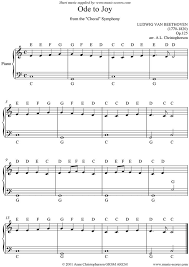
Try to do some mental practice every day, too. This is one of the best ways to improve your memorization and can be done anywhere, even when you’re not at a piano. This type of practice is often neglected because it can be difficult to know if you’re doing it right. The most effective method for doing this is to break the piece down into manageable sections and practice them individually. For example, if you have a measure of a song that you’re working on, take just the right hand and practice it very slowly until it feels natural. Then do the same thing with the left hand. Once you have both parts of the measure down well enough, practice them together, still going very slow. Repeat this process for each measure of a piece of music until you’ve memorized it.
https://tartalover.net/nicole-pesce
How Can I Practice Piano Transcription at Home?
This method is especially useful for transcribing rhythms, chords, and scales. It’s also a good exercise for improving your ability to recognize intervals, both ascending and descending. Start by tracing the fingers on your hands, then add combinations of note values such as accenting the fourth tap with the thumb and the fifth tap with the pinky. This will train you to hear the different rhythms and fingering patterns in your mind, so that when you’re at a real piano you can more easily transcribe them.
https://m.youtube.com/@tartalover2682/videos
Lastly, try to practice with a pianist whenever possible. This will allow you to hear how a piece should sound and give you the confidence that you’re doing it correctly. This will also give you a good sense of what it will feel like to play the piece on an actual piano.
Ultimately, it’s best to treat piano transcription just like you would a workout at the gym. Loosen up your wrists and fingers with stretches and warm-ups, then spend some time on scales and finger exercises before moving on to more challenging material. This will prevent you from getting frustrated when a section is tricky, and it’ll be easier to learn once you have the momentum to move on.