7 Cars That Bombed In The 2010s That You Can Buy For Super Cheap Today

As we showed you in this article about the biggest automotive sales flops of the 2000s, things don’t always go as planned when it comes to launching new vehicles, especially when they attempt something too new and dramatic (or not new and dramatic enough) for the market and the times. Not all newly-launched automotive nameplates gain required launch traction to sustain a second generation. Not all models successful in other markets will be successful in North America.
Few attempts to morph or re-shape a segment in a certain way go unpunished by customers if the product isn’t executed and priced perfectly. Below, we’re covering some of the biggest sales flops of the 2010s, looking back at each machine’s roots, its relatively short life cycle, why each left the market, and what you’ll pay for one today.
To get on the list below, vehicles need to have been launched between 2010 and 2019, failed to secure a second sales generation, and generally perform poorly where sales against competitive models were concerned. These are the cars of the 2010s that never really caught on. Second-hand pricing data comes from AutoTempest.com, sales figure data is sourced from goodcarbadcar.net.
6
2010-2013 Acura ZDX
Customers skipped this MDX Coupe
|
2010 Acura ZDX Specifications |
|
|---|---|
|
Engine |
3.7-liter V6 gas NA |
|
Horsepower |
300 hp |
|
Torque |
270 lb-ft |
|
Transmission |
6-speed auto |
Long before Acura revived the ZDX nameplate for their latest electric SUV, the original Acura ZDX was introduced in 2010. The idea was to tap into some of the buzz around a newly-emerging ‘crossover coupe’ body style that was starting to appear in the market, primarily from luxury automakers whose customers were typically keen to try the latest new vehicle every few years. Two years after competitor BMW brought the X6 to market in 2008, the Acura ZDX arrived for the 2010 model year, where it was met with mixed results at best. This was effectively an Acura MDX SUV riding a new ‘coupe’ platform, complete with sloping rear roof and hidden rear door handles.
By many accounts, the ZDX’s polarizing looks made it tougher to ignore the inherent disadvantages of this body style, which relate to outward visibility, cargo space, and rear seat comfort. Customers spoke with their dollars, and both the Acura MDX and BMW X6 remain successful today. As for the original ZDX? It was canned after 2013, with dealers trying to move unsold units for years after. If you find a used one today, you’ll pay between $10,000 and $20,000.
5
2011-2016 Honda CR-Z
Not a great hybrid, not a great sports car
|
2011 Honda CR-Z Specifications |
|
|---|---|
|
Engine |
1.5-liter inline four-cylinder gas hybrid NA |
|
Horsepower |
122 hp |
|
Torque |
128 lb-ft |
|
Transmission |
6-speed manual |
The Honda CR-Z was initially brought to North American shores for the 2011 model year positioned as Honda’s ‘sporty hybrid coupe’. The idea was to pay respects to the original Honda CR-X with a more modern take on its styling and powertrain. The 1.5-liter four-cylinder hybrid and six-speed manual transmission combination (with auto-stop!) got the attention of enthusiast drivers, but failed to capture the all-motor VTEC magic of favorite Honda coupes of years gone by. Sales in Japan were strong, though other markets didn’t receive the CR-Z as fondly.
As Honda continued its push into the hybrid space, there was a strong mandate from Japan to push the CR-Z in North America, but shoppers weren’t biting. The CR-Z wasn’t sporty enough to be a good sports car, and wasn’t fuel-efficient enough to be a good hybrid. Honda already had sporty coupes and fuel-efficient compacts that were well-established favorites here, and they kept on buying those instead. The CR-Z’s sales were sluggish and shrinking for several years. As the time Honda pulled the CR-Z from the North American market for 2016, with unsold units sticking around for 2 years or more on dealer lots. Today, AutoTempest.com data says you can set a budget for $8,000 to $12,000 to find solid selection.
Related
Honda Is About To Wage War On Hybrid Rivals
EVs will take a back seat over the next decade, but they’ll still be along for the ride.
4
2011-2014 Nissan Murano Crosscabriolet
One of the weirdest cars ever
|
2011 Nissan Murano Crosscabriolet Specifications |
|
|---|---|
|
Engine |
3.5-liter V6 gas NA |
|
Horsepower |
265 hp |
|
Torque |
248 lb-ft |
|
Transmission |
CVT |
When Nissan released this strange-looking drop-top version of the Murano, they took a lot of heat. It’s tricky to call this little experiment a sales flop in some regards, as production was intended to be limited and the fact that anyone at all bought a convertible Murano is pretty spectacular. Convertibles are best left based on cars, as we’ve seen with other failed drop-tops like the Chevrolet SSR. This slower, weirder-looking, heavier, jigglier, and less-useful version of the Murano also cost as much as a luxury sedan. Not today, though: according to AutoTempest.com data, you can pick up a used Murano Crosscabriolet from $6,000 to $10,000 all day long.
3
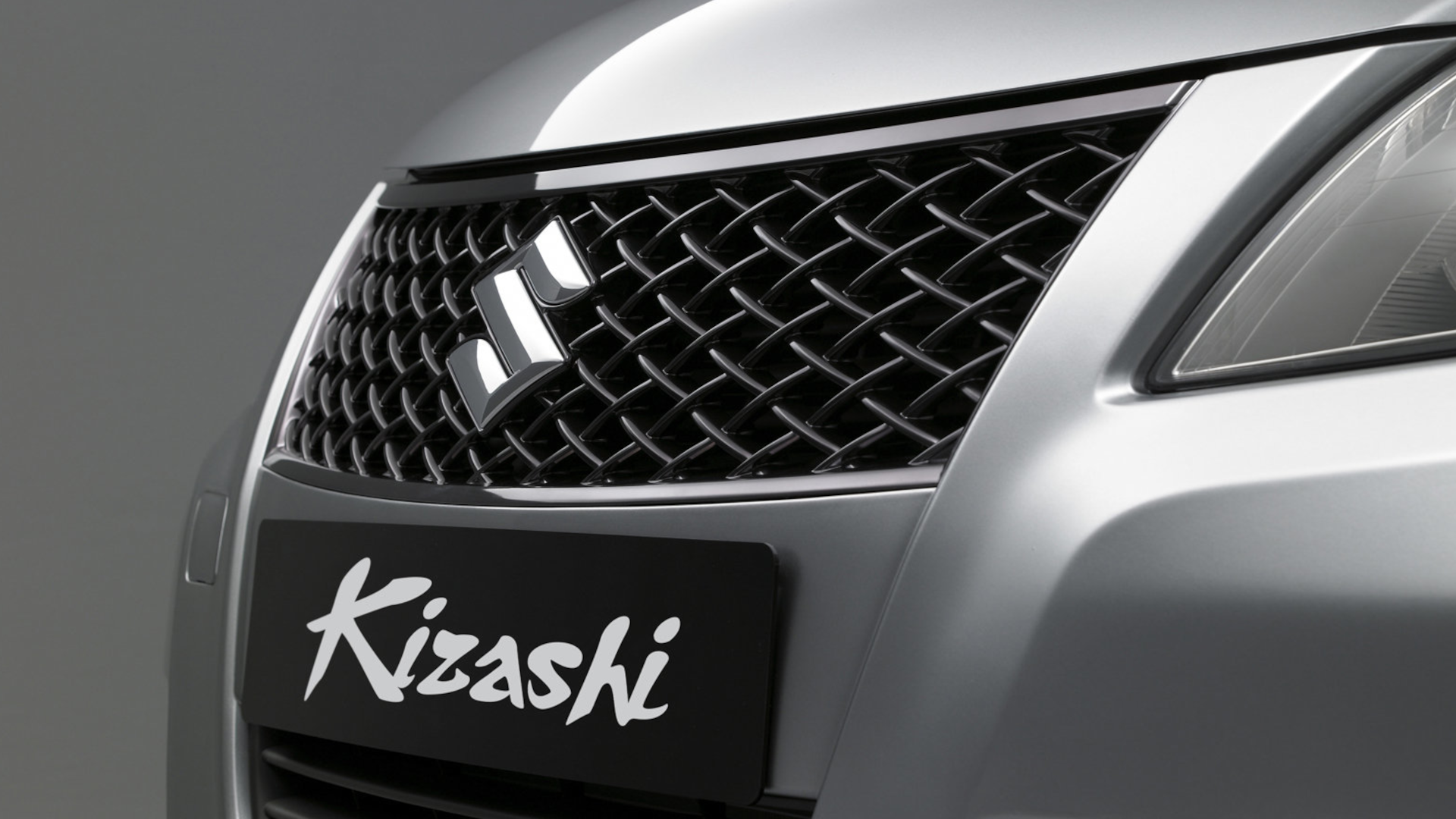
2010-2014 Suzuki Kizashi
Bad timing killed the Kizashi
|
2010-2014 Suzuki Kizashi Specifications |
|
|---|---|
|
Engine |
2.4-liter inline four-cylinder gas NA |
|
Horsepower |
185 hp |
|
Torque |
170 lb-ft |
|
Transmission |
6-speed manual |
In 2025, you’ll still spot the odd Suzuki Kizashi on the road, and you don’t need to look hard to know one when you see one. Distinctive looks were a big part of the package when Suzuki brought the Kizashi to market for the 2010 model year, on the tail of a major recession. At the time, it was engineered and positioned as an athletic alternative to competitors like the Honda Accord, Chevrolet Malibu and Subaru Legacy. Front-drive versions could be had with a six-speed stick, and AWD was available with a LOCK function available at a button press for slippery situations.
The Kizashi brought some style and energy to the segment, but shoppers spoke with their dollars and stuck mostly to established competitors instead. More broadly at the time, shoppers were still rattled by the recent recession, SUVs were starting to eat into sales of sedans, and Suzuki’s dealer network was a fraction of the size of any competitor. This could have been the right car, but it came at the wrong time, in the middle of the wrong situation. Today, you’ll pay $5,000 to $10,000 for one, according to Autotempest.com data.

Related
10 Affordable Sports Cars That Failed To Beat The Miata, And The One That Finally Did
The Miata has ruled the affordable sports car world for decades. Here are 10 cars that tried to beat it and the one that finally did.
2
Saab 9-4X
Saab’s last SUV was dead on arrival
|
2011 Saab 9-4x Specifications |
|
|---|---|
|
Engine |
3.0-liter V6 gas NA |
|
Horsepower |
265 hp |
|
Torque |
223 lb-ft |
|
Transmission |
6-speed automatic |
The final chapter of the Saab brand is a sad one, and the disastrous life 9-4x SUV illustrates it on a product level. At the time, Saab cars and suvs were being built on GM platforms, and the 9-4x was an incoming mid-size luxury crossover that would be crucial to help plant Saab into the rapidly-growing crossover and SUV market of the day. This Swedish-branded SUV built on the same platform as the Cadillac SRX of the day, with production beginning in early 2011 for the 2011 model year. Before the year was out, Saab went bankrupt and production abruptly stopped, likely before 1,000 units were built. This final attempt at Saab’s image resurrection was cut short by the company’s death.

Related
Saab’s Final Luxury Sedan Is A Sublime Used Buy, But Can You Maintain It?
Saab’s final luxury sedan offers a unique blend of style and performance, but should its distinctness scare buyers off?
The 9-4x got solid reviews and owners that did manage to get their hands on one seem to have enjoyed the experience. It’s anyone’s guess how things may have gone if the Saab brand was still making cars today. At this writing, AutoTempest lists just one 9-4x for sale in 2025 in the entire country– a 2011 with 110,000 miles and an asking price of $12,000.
1
2012-2015 Scion iQ
Tiny cars didn’t catch on
|
2012 Scion iQ Specifications |
|
|---|---|
|
Engine |
1.3-liter inline four-cylinder NA gas |
|
Horsepower |
94 hp |
|
Torque |
89 lb-ft |
|
Transmission |
CVT |
The novelty of Scion’s tiny iQ earned it plenty of sales off the hop when it hit the road for the 2012 model year, but the initial surge of interest fell flat on its face as annual US sales tanked until the iQ’s discontinuation in 2015. For about the price of a small car, you could have the Scion iQ: a tiny car with virtually no back seat if you wanted a trunk, and no trunk if you wanted a back seat. Though hilariously compact and maneuverable in tight spaces and parking lots, the usefulness of a car this size struck it from the list of many North American shoppers, who typically felt safer and more confident driving something larger. Sometimes, novelty, style and Toyota reliability aren’t sufficient to see a car to its second generation. Today, you can pick a used one up for $6,000 to $10,000.
Sources: AutoTempest, Goodcarbadcar