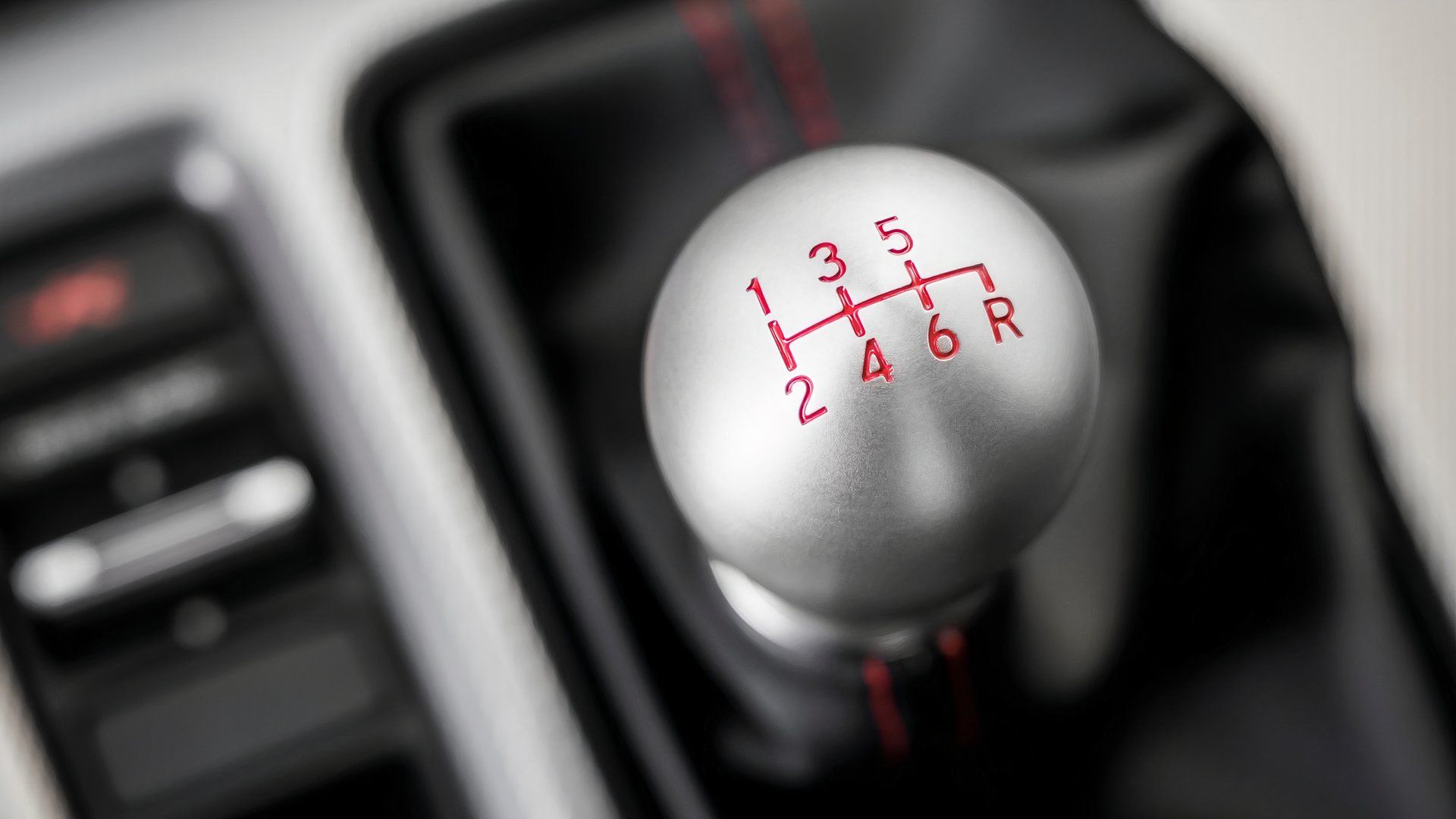
9 Top Tips To Make Your Manual Gearbox Last Longer

Americans predominantly buy automatic cars nowadays, with the number of manuals dwindling by the day. Every year, we lose a couple of stick-shift cars, and this is likely to continue until there isn’t a single one left. At the moment, manual transmissions are restricted to a few models in the US, mainly affordable entry-level cars like the Mazda 3 Hatchback 2.5 S and performance cars such as the Porsche 911 Carrera T, which is probably our favorite 911, partly thanks to its stick shift.
Related
10 Reasons Why The 2025 Carrera T Might Be The Ultimate Porsche 911
The best all-rounder at a reasonable price in the 911 range was just improved, but it’s also more expensive now. Here’s why we love it.
As for the rest, almost every car out there now has some kind of automatic transmission, be it a traditional planetary type with a torque converter, or, alternatively, a continuously variable transmission (CVT) or dual-clutch transmission (DCT). Modern automatic transmissions are simply better on a practical level, relieving you of the added manual labor while driving, changing gear quicker, using less fuel, and providing better performance.

These useful tips will help you get the most out of your manual transmission, but keep in mind that other factors can also affect your drivetrain’s life expectancy, such as plenty of city traffic, so your mileage may vary.
An automatic transmission’s driveline is also protected from abuse, because the electronic control systems ensure that there are no harsh jolts, that you don’t over-rev your engine, and that you’re always in the right gear. A manual, on the other hand, can often be abused to within an inch of its life, as all the decisions are up to the driver.
Symptoms of an abused manual car include:
- A shuddering or slipping clutch
- Gear changes that crunch
- Shudders and driveline slack due to worn engine mountings
- A worn throw-out bearing
- A failed diaphragm spring

Related
10 Driving Habits That Shorten Your Car’s Life
Avoid these bad habits if you want your car to last longer.
Here are the basic pros and cons of a manual gearbox compared to an automatic:
|
Pros |
Cons |
|
Requires less maintenance |
Worse performance |
|
Cheaper to fix, replace, or overhaul |
Worse gas mileage |
|
The driver is in full control |
You have to do all the shifting yourself |
|
Slower gear shifts |
|
|
Prone to abuse |
1 Launching

In a modern automatic, you just put your foot down and off she goes. Electronic controls make for smooth launches, cushioned shifts, and optimum acceleration. An automatic is almost impossible to abuse, as the latest ones won’t let you do things that may damage it. And some even have a designed-in launch feature. A manual is up to the mercy of the driver. Some manual cars will limit the revs you can dial up before letting out the clutch, but most don’t, and an abusive driver can theoretically rev the engine to its redline and slide their foot sideways off the clutch, sending tremendous shockwaves through the driveline and spinning the wheels or doing a burnout.

Add CarBuzz to your Google News feed.
Sure, it’s a lot of fun, but many of these shenanigans are illegal on public roads, and it will accelerate the wear and tear on your car. To give your manual a long life, rev the engine up just enough to affect a smooth pullaway, and let out the clutch smoothly. Increase the revs and let out the clutch quicker for faster getaways, but don’t avoid jolting and excessive clutch slipping.
2 Hill Starts

Your parents might have taught you how to pull away on an uphill road by carefully feathering both the clutch and accelerator while simultaneously releasing the handbrake. Many modern manuals have auto hill-hold assist, so you don’t have to manually release the handbrake; you can just pull away normally, and it will release automatically once enough torque reaches the wheels to set the car in motion.
However, another bad habit you might have inherited from the old days is holding your car stationary on an incline by slipping the clutch instead of using the handbrake, in anticipation of the lights going green. This is very bad for your clutch and causes it to slip for a prolonged period, heating it up and wearing it out. The throw-out bearing and diaphragm spring are also under constant pressure when you do this, so don’t. It’s one of the worst bad habits in a manual.
3 It’s A Shift Lever, Not A Handrest
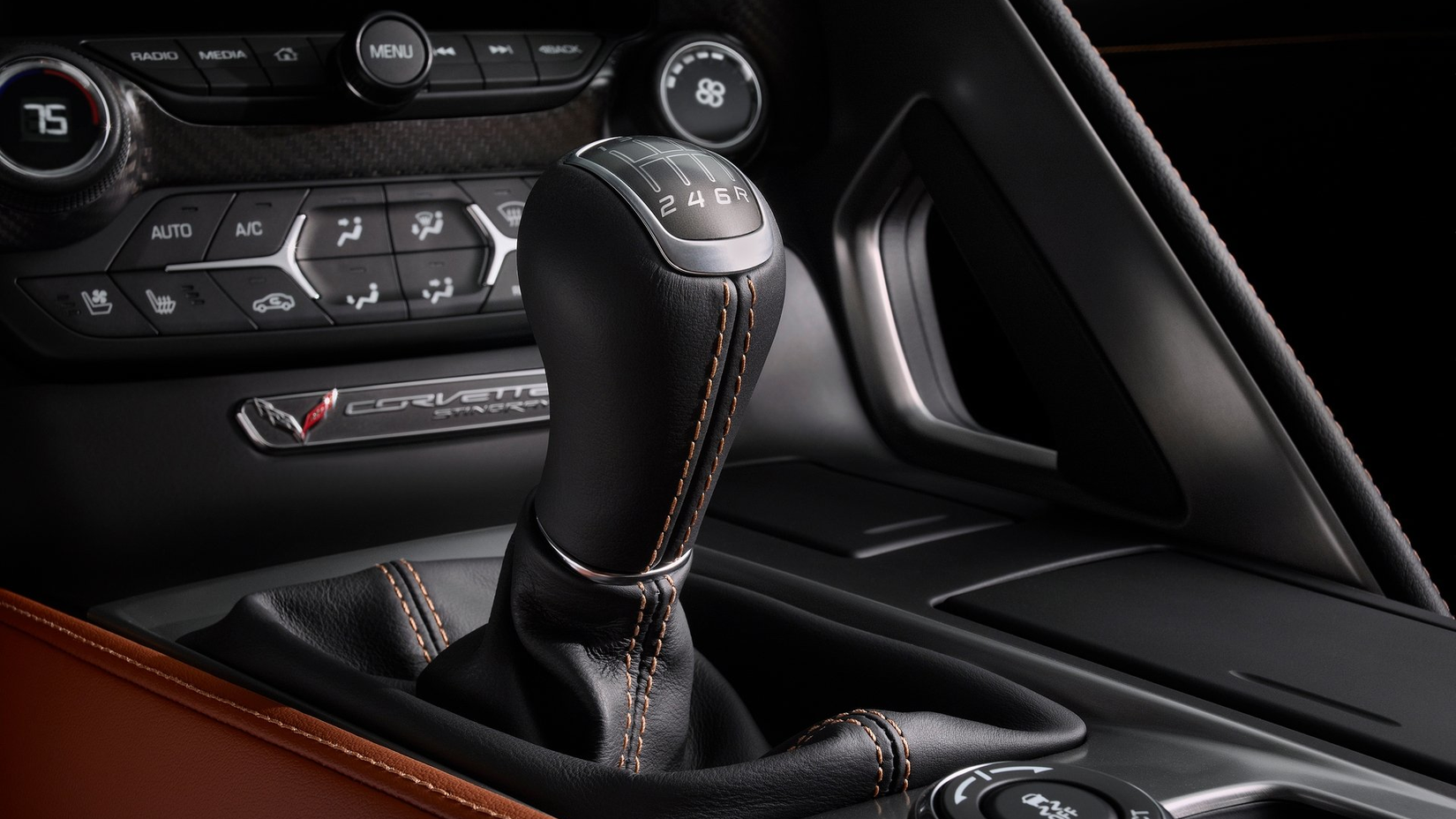
Within the transmission casing, shift forks move the gears around to engage them. The lever-like shift fork has fingers that push against the spinning collars or rotating gears, pushing them around. Synchronization rings synchronize the gears before they mesh. Resting your hand on the shift lever can put lateral pressure on the shift fork, pushing it up against a spinning collar for prolonged periods, and wearing out the shift fork. Most manual cars’ instruction manuals warn against doing this. Move your hand back to the steering wheel at once between shifts and never rest it on the gear lever. It’s safer to have both hands on the wheel while driving anyway.

Related
The 2025 Jeep Wrangler Will Keep Enthusiasts Happy
If you want an automatic transmission, it requires a different engine.

The same applies to the clutch pedal. When you push it down, it presses the throw-out bearing against the diaphragm spring, releasing the clutch. The pedal should only be used for pulling away and shifting gears. Resist the temptation to rest your foot on the pedal in normal driving, because it can be very bad for your clutch. It places pressure on the throwout bearing and diaphragm spring, bringing on their failure sooner. Enough pressure can also slightly release the clutch, causing it to slip, overheat, and wear out prematurely. It’s just generally a bad idea to go anywhere near the clutch unless you’re using it.
5 Waiting At The Lights

For all the reasons we provided above, it’s also a bad idea to keep the clutch depressed while in gear as you wait for the lights to turn green. You will definitely wear out your diaphragm spring and throw-out bearing sooner if you do. It’s a bother, but it’s better to just select Neutral and let your foot off the clutch if you know you’re going to be stationary for more than a few seconds.

Related
Fact Or Fiction: Is A Manual Transmission A Thief Deterrent?
Does a decline in manual driving knowledge make a stick shift an anti-theft feature?
Keep your right foot on the brake or use the handbrake or auto-hold to keep your car from rolling away. Once you see the side street’s lights starting to change, you know your chance will come soon to pull away, and that gives you plenty of time to depress the clutch and select first, ready to go.
6 Snap-Shifting

Snap shifts or crash shifts put a lot of stress on the transmission. These are lightning-fast shifts, like the ones you do when slamming the gear shifter through the gate as hard as you can, like when you’re drag racing someone. The synchronization rings (or synchromesh) that we talked about earlier have very little time to synchronize the gears and snap shifts will wear them out faster. If they can’t keep up with the speed of the shift, you can crunch the gears.
The jolts going through the driveline every time you let out the clutch between fast shifts yank on your engine mountings, shortening their lives too. Even when you drive quickly, don’t slam the lever through the gears too quickly, and still release the clutch smoothly to give your transmission an easier time.

Related
Affordable Manual Showdown: 8 Manual Performance Cars For Less Than $35,000
We wish the list was longer.
The jolts going through the driveline every time you let out the clutch between fast shifts yank on your engine mountings, shortening their lives too. Even when you drive quickly, don’t slam the lever through the gears too quickly, and still release the clutch smoothly to give your transmission an easier time.
7 Gearing Down

Don’t gear down through all the gears like a semi. Brakes are for slowing down, and they’re much cheaper to replace and service than a transmission. Gear down to a lower gear only on a prolonged downhill to prevent having to ride your brakes to maintain speed, especially when towing. Gearing down, you’ll often feel that the lever offers more resistance before selecting the lower gear than it does when you gear up to a higher gear.

Related
Breaking Down Horsepower Definitions: The Meaning Of BHP, HP, And PS
Different countries use different metrics to measure the grunt on offer from any given engine. Ever wondered what it all means? We have the answers.
That is because the synchromesh has to work harder to speed up the lower gear. You can help this process by blipping the throttle, but keep in mind that you’ll have to come off the brakes to do that, so the jerky braking might irritate your passengers. Learning a good heel-and-toe technique is great for giving your synchromesh an easier time on downshifts while maintaining constant braking. It matches the revs of the engine with that of the transmission.

Related
The 10 Most Gratifying Manual Transmissions We’ve Ever Encountered
And don’t downshift at too high a speed, either. Get to know your car, so you know which gear is appropriate for which speed. You can’t gear down to first gear while you’re still doing 40 mph. You’ll feel a high resistance from the frantically spinning synchromesh that’s trying to make up for the huge speed difference between gears, and that should give you your first warning. Pushing it in anyway may result in a badly crunched gear change and an over-revving engine, as the gear you’re selecting is too low for your road speed.
8 Lugging

It’s easy to get lazy with a manual and just stay in a high gear when you slow down. But accelerating at very low revs and speeds in a high gear with your foot flat on the accelerator is bad for your car. In a condition called “torque agony,” your engine’s revs are too low, and full throttle places strain on it. In some diesels, the harmonic vibrations that this habit sends through the powertrain can be damaging in the long term. Unless your car can accelerate easily and smoothly on half-throttle, it’s better to gear down to the right gear than force it to let it struggle against that gearing disadvantage in a too-high gear.

Related
2025 Volkswagen Jetta GLI Has Something Golf GTI Can’t Offer
The compact sedan has been refreshed for MY2025 with new exterior styling, a more upmarket interior, and additional standard equipment.
9 Maintenance

As long as a manual is treated well, it should be almost maintenance-free except for the occasional new clutch every couple of years, but it’s a good idea to change the oil every few years, because the synchromesh will give off a little friction material that gets suspended in the oil. When you replace the clutch, check whether your car has a dual-mass flywheel (DMF). These wear out with the clutch and both have to be replaced at the same time. Often, an old, worn DMF can ruin a new clutch. If your car has a solid flywheel, it can usually just be skimmed and mated with the new clutch.
Sources:
Engineering Explained