Best Practices for Thermal Management in High Frequency PCBs

Thermal Management in High Frequency PCBs
Thermal management is a critical factor to consider in any high-speed PCB design. Due to the fast RF signals, circuits generate more heat and need a more efficient way of dissipating that heat. Fortunately, there are a number of different strategies and solutions that can help optimize the thermal performance of a high-frequency pcb and ensure safe and reliable operation. These include material selection, component placement, and thermal vias.
high frequency pcb tend to require a much higher power density than low-frequency circuits, making it even more important for them to manage heat generation and dissipation efficiently. In addition, many high-frequency circuits operate at higher frequencies than traditional low-frequency circuits, which can also cause a significant increase in heat production and require a more efficient cooling system to manage the temperature of the circuit board.
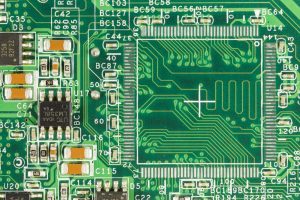
In order to prevent overheating issues, it’s important to make sure that a PCB is designed with high-quality materials with improved thermal properties. These materials typically have better dielectric losses and lower dielectric loss factors that will help keep the circuits cooler under varying operating conditions. In addition, using copper-based materials with a higher thermal conductivity can improve the overall thermal performance of the board.
Best Practices for Thermal Management in High Frequency PCBs
Another important strategy is to incorporate thermal planes in the PCB design, especially near high-power components. These thin copper layers can help spread the heat evenly across the surface of the board, reducing and preventing hot spots and improving the overall thermal performance.
It’s also important to make sure that high-power components are properly placed on the PCB to minimize heat buildup and maintain optimal temperatures. In particular, placing a power device near the edge of the PCB will cause it to accumulate heat at that location and raise the local temperature. In contrast, if the power device is placed in the center of the PCB, heat will dissipate evenly on the entire surface, lowering the temperature and eliminating hot spots.
Lastly, it’s important to use proper routing techniques when designing the layout of a high-frequency PCB. For example, shortening trace lengths and optimizing routing paths can reduce signal losses and further decrease the amount of heat generated. Additionally, placing power devices away from sensitive components will ensure that they aren’t generating unnecessary heat and contributing to overheating issues.
Finally, using thermal vias is a great way to improve the thermal management of a high-frequency pcb. These small holes filled with thermally conductive materials, such as copper, can help transfer heat from one layer to the next and dissipate it through convection. They’re usually placed underneath power-generating components on the PCB to help keep their temperature down and prevent hot spots from forming. However, using too many thermal vias can lower the mechanical strength of the circuit board, so it’s crucial to use them sparingly.