Can roofing waterproof tape be used on all types of roofs?

roofing waterproof tape be used on all types of roofs
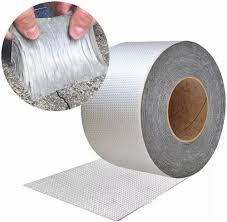
If you want to fix leaks quickly and easily, then roof repair tape is an excellent option. It’s a self-adhesive product that doesn’t require any gluing or hot welding and can be applied directly to the roof surface to stop water ingress. It’s available in different widths, so you can select the right size for your job. However, before applying this type of tape, you need to make sure that the roof is clean and dry. The tape will only adhere well if the surface is free from oil, grease and dirt.
roofing waterproof tape is made from a special rubber that is able to seal leaks and provide long-term protection against weather conditions. It’s also durable and can withstand UV rays, so it’s an ideal solution for a variety of applications. It can be used to repair cracks in concrete, timber and masonry, as well as to waterproof joints around windows and doors. In addition to this, it can also be used to repair leaks in a range of other applications such as air conditioning units and electrical installations.
Waterproofing tapes are suitable for use on most types of roofs, including granule cap, smooth built-up, APP and SBS modified bitumen and metal roof systems. They are often the most economical way to patch up leaks and other damage, as they can be used without requiring any specialized tools or materials. However, it’s important to ensure that you only use high-quality waterproofing tape to prevent the problem from recurring in the future. Poor-quality tapes may liquify, degrade or break down after prolonged exposure to water.
Can roofing waterproof tape be used on all types of roofs?
The type of roof you have will determine the best waterproofing tape to use. For example, if you have a granule cap roof, then you should choose a polymer modified asphalt tape or a butyl rubber tape. Polymer modified asphalt tape has a very strong adhesive and can be used to patch a wide range of gaps and cracks. It’s also able to withstand extreme temperatures and UV rays, making it an ideal choice for use on a variety of roofing systems.
Butyl rubber tape has a thicker backing than silicone tape, making it more durable and suitable for use in harsh environments. It’s designed to withstand temperatures of up to 248°F, so it’s an excellent choice for sealing and repairing roof leaks in a variety of climates. It’s also a great choice for sealing and repairing windows, doors and vent pipes.
Another option is to use a caulk-like roof sealant. It’s typically easier to apply than a tape and provides a more uniform seal. Caulk sealants are suitable for use on most types of roofs and can be used to seal small holes, cracks or gaps. However, they are not as suitable for use on roofs with a Kynar painted finish.
When using waterproofing tapes, it’s important to follow the manufacturer’s instructions carefully. The best way to ensure a strong bond is to cut the tape into short lengths that are easy to work with and then remove the release paper from one end. It’s also recommended to apply the tape in short lengths of less than four feet and to ensure that it extends past the hole, tear or seam by a minimum of two to four inches. This will help to prevent the formation of wrinkles, which can create pathways for water ingress.