Environmental Impacts of Flex Circuit Production

Flex Circuit Production
Flex circuits, also known as flexible printed circuits (FPC), are thin, lightweight electronic circuits that can bend and twist to fit in a variety of shapes and sizes. They are used in a wide range of devices including smartphones, wearable technology and medical equipment.
The flex circuit fabrication process involves etching and photolithography to create the circuit pattern from the design layout. A variety of materials can be used to make a flex circuit, including polyimide, polyester and PTFE. These materials have different properties and can be used for specific applications. The flex circuit fabrication process is complex, and requires careful attention to ensure that the final product meets all specifications.
During the fabrication process, a flex circuit must undergo several environmental tests to ensure that it is safe for use in its intended application. These tests include environmental stress, electrical performance and mechanical durability. They are performed by qualified engineers to ensure that the flex circuit will perform in the device it will be installed in. Performing these tests correctly can help to prevent any future malfunctions or failures of the flex circuit.
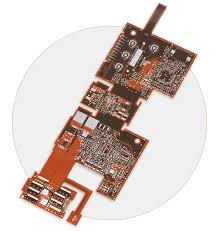
Environmental Impacts of Flex Circuit Production
Flex PCBs are prone to damage from exposure to various factors, including physical force, moisture and power surges. This type of damage can cause the traces to break or short, which can impact performance and reliability. In order to avoid these issues, it is important to store a flex circuit properly and follow the best practices for handling and storage.
A flex circuit should be stored in a dry, clean environment. It should be kept away from moisture, and should not be exposed to any heat sources or chemicals that can corrode the copper. It is also important to keep a flex circuit in a secure place where it will not be subject to any physical abuse. For example, a flex circuit should not be dropped or crushed as this can cause the surface-mount components to become disconnected from their substrates.
Keeping the flex circuit in a protective case or sleeve can also reduce its vulnerability to damage. It is also a good idea to use thermally cured acrylic or epoxy adhesives to attach the circuit to its surface. This type of glue is more durable than pressure-sensitive adhesives, which can be susceptible to tearing or cracking.
The flex circuit must be designed to be as flexible as possible without causing stress or compromising the integrity of its structure. This can be achieved by designing the flex circuit to have a tighter bend radius and reducing the copper thickness. Using staggered traces and routing them perpendicular to the overall bend can also minimize stress and help to prevent trace breakage.
It is important to follow the IPC 2223 flex design standard when creating a flex circuit. This design standard allows a flex to be folded and hard-creased, but requires that it be done only once and not re-opened. Attempting to re-open the flex circuit can cause it to work harden and become embrittled.