How do you manage component obsolescence in Rigid flex pcb?

component obsolescence in Rigid flex pcb
A rigid flex circuit board is a hybrid printed circuit board consisting of both rigid and flexible sections. The rigid boards provide stability and the flexible sections allow for the bending or flexing required for assembly in tight spaces. Rigid flex PCBs offer dynamic freedom, mechanical stability, improved polarity and contact integrity, as well as significant space savings and a reduction in connector components.
The key to overcoming component obsolescence in rigid flex pcb is managing the design and manufacturing process from the outset. This requires a collaborative approach between designers and suppliers. It also requires access to real-time supply chain information that can be incorporated into the design process to ensure the best possible product and the fastest time-to-market.
Often, these supply chain challenges are not identified until late in the development cycle when a rigid-flex PCB is nearing completion. This is typically after the schematics, mechanical drawings and BOM are finalized with purchase orders already in motion with tens of thousands of dollars committed to component sourcing and hard tooling vendors. Changing the BOM at this point is very costly and can have a domino effect on all other aspects of the project.
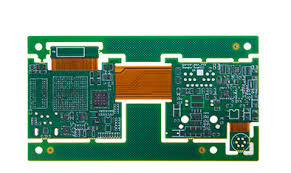
How do you manage component obsolescence in Rigid flex pcb?
One of the most common ways to avoid expensive changes at this stage is by ensuring the design supports multiple suppliers of the same or compatible components. This reduces the risk that a single supplier will suddenly drop an important component, leaving your design with limited options. It is also beneficial to use newer component families over older legacy ones, which are more likely to be end-of-life (EOL) or have limited availability. This can be accomplished by reviewing your BOMs regularly, comparing costs and lead times for alternate components, and by working with your suppliers to actively monitor EOL and last-time-buy (LTB) forecasts.
Another way to manage component obsolescence in rigid flex is by utilizing a layered approach to the PCB that allows for quick swap-outs of the flex portion without affecting the rigid section. This is typically accomplished by using an additional coverlay layer that acts as a solder mask or, for finer designs, screen printing. This can help to reduce the overall cost of the rigid flex PCB while maintaining quality and reliability.
Rigid-flex pcbs are also more difficult to test and inspect. This is due to their complex, three-dimensional nature. Specialized testing equipment may be needed to examine the flex-rigid board for failure points, such as layer transitions or impedance mismatches between the rigid and flex sections.
While there are many benefits to the use of rigid flex PCBs, these products can still be costly if they are not designed and manufactured correctly. By following flex-rigid design rules and keeping an eye on the latest fabrication processes, engineers can reduce their risk of costly design mistakes that could derail the project.