How does miniaturization impact circuit board assembly?

miniaturization impact circuit board assembly
Miniaturization has revolutionized the electronics industry, driving the development of smaller, lighter, and more powerful electronic devices. This trend towards miniaturization has had a profound impact on circuit board assembly, influencing everything from design and component selection to manufacturing processes and quality control measures.
One of the most significant ways that miniaturization impacts circuit board assembly is through the shrinking size of components. As electronic devices become smaller, the components they contain must also decrease in size to fit within the constrained dimensions of the circuit board assembly. This trend has led to the widespread adoption of surface mount technology (SMT), which allows for the placement of smaller, more densely packed components directly onto the surface of the circuit board.
The use of SMT components enables manufacturers to achieve higher levels of miniaturization without sacrificing functionality or performance. These smaller components offer advantages such as reduced weight, improved thermal management, and increased reliability due to shorter signal paths and fewer points of failure. However, working with miniature components requires specialized equipment, precise assembly techniques, and meticulous attention to detail to ensure accurate placement and soldering.
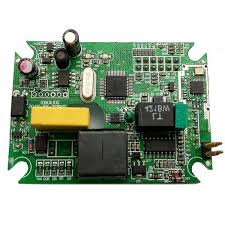
How does miniaturization impact circuit board assembly?
Furthermore, miniaturization has driven innovations in circuit board design and layout. As the available space on circuit boards shrinks, designers must carefully optimize the placement and routing of traces, vias, and components to maximize efficiency and minimize signal interference. Advanced design software and simulation tools help engineers visualize and analyze the performance of miniature circuits, enabling them to identify potential issues and optimize designs for reliability and performance.
Moreover, miniaturization has spurred advancements in manufacturing processes and equipment. Automated assembly machines equipped with high-resolution cameras, robotic arms, and laser alignment systems enable precise placement and soldering of miniature components with sub-micron accuracy. Advanced soldering techniques, such as reflow soldering and vapor phase soldering, offer reliable and repeatable results for densely populated circuit boards, ensuring consistent quality and performance.
However, miniaturization also presents challenges for circuit board assembly. The smaller size of components makes them more susceptible to damage during handling and assembly, increasing the risk of defects and production errors. Specialized handling equipment and static control measures are necessary to protect miniature components from electrostatic discharge (ESD) and mechanical stress during manufacturing.
Additionally, miniaturization can impact the thermal management of electronic devices. As components are packed more tightly together, heat dissipation becomes more challenging, leading to potential reliability issues such as thermal runaway and premature component failure. Innovative cooling solutions, such as heat sinks, thermal vias, and liquid cooling systems, are employed to mitigate thermal issues and ensure the long-term reliability of miniature electronic devices.
In conclusion, miniaturization has had a profound impact on circuit board assembly, driving advancements in component technology, design practices, manufacturing processes, and quality control measures. While miniaturization offers numerous benefits, including smaller form factors, improved performance, and enhanced portability, it also presents challenges such as component handling, thermal management, and production yield. By embracing innovation and leveraging advanced technologies, manufacturers can overcome these challenges and continue to push the boundaries of miniaturization in the electronics industry.