Implications of IPC Standards in PCB Board Assembly Manufacturing

IPC Standards in PCB Board Assembly Manufacturing
The Institute of Printed Circuits (IPC) is a trade association that authorizes high-quality electronics. It brings together PCB fabricators, EMS providers, OEMs, and industry suppliers to create and share common standards that facilitate the manufacture of PCBs.
IPC classifies PCBs based on their quality, and different classes indicate different levels of quality and safety. IPC class 1 indicates general products that have a short expected life cycle and only need to meet basic functional requirements. This class also allows for a high tolerance of imperfections so long as they don’t detract from baseline performance.
Class 2 assemblies are designated for dedicated service electronics, such as industrial equipment and instrumentation. They have stricter design requirements and are less tolerant of defects, but they still allow for a degree of leeway so long as they meet the basic functionality of the product.
Class 3 is reserved for highly sensitive, life-critical electronic products that must meet the most stringent specifications and quality requirements. This class also allows for some allowances for imperfection in the finished product, but it requires rigorous testing and inspection to ensure that the final product lives up to the manufacturer’s claims.
Strictly adhering to IPC standards throughout the entire process of pcb board assembly manufacturing results in a better quality product, which ultimately increases overall customer satisfaction and product value in the market. This is especially beneficial for companies that serve a diverse range of industries, as different markets require their own unique specifications and tolerances.
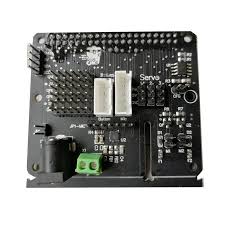
Implications of IPC Standards in PCB Board Assembly Manufacturing
Costs are one of the biggest determinants of a final product, and IPC standards help to minimize costs at every stage of production. By establishing a consistent set of terms and ensuring that everyone is using the same terminology, communication is improved, which reduces errors and leads to reduced rework and repair costs.
Another factor that influences overall PCB costs is the number of units produced. Higher quantities result in lower unit prices because many of the fixed costs that go into a fabrication run, such as NRE and tooling, only affect the initial units produced. By committing to larger orders, firms can save money on these one-time costs by amortizing them across the entire manufacturing run.
The amount of labor required for each unit is also a key cost driver. Some projects require drilling of smaller sized holes, which requires specialized laser drilling equipment. This adds to the total assembly cost, and is usually a significant portion of the bill for a multi-layer PCB. However, it is important to remember that the cost of labor is also a variable, and it can be significantly cheaper in certain regions. For this reason, it’s often advantageous to work with a provider that offers volume discounts and can accommodate larger order quantities. This way, you can save on the initial setup fees and keep your assembly costs low. This approach also helps to reduce overall production times.