Karma Brings The Sexy Sedan Back Before Its New Coupe Arrives Next Year

Karma is about to be back. The automaker born of the ashes of the first Fisker Automotive venture has just revealed a new model. Continuing one of the most tumultuous journeys in the auto industry, showing a company that just won’t give up. Karma is determined not to have a Fisker Ocean repeat.
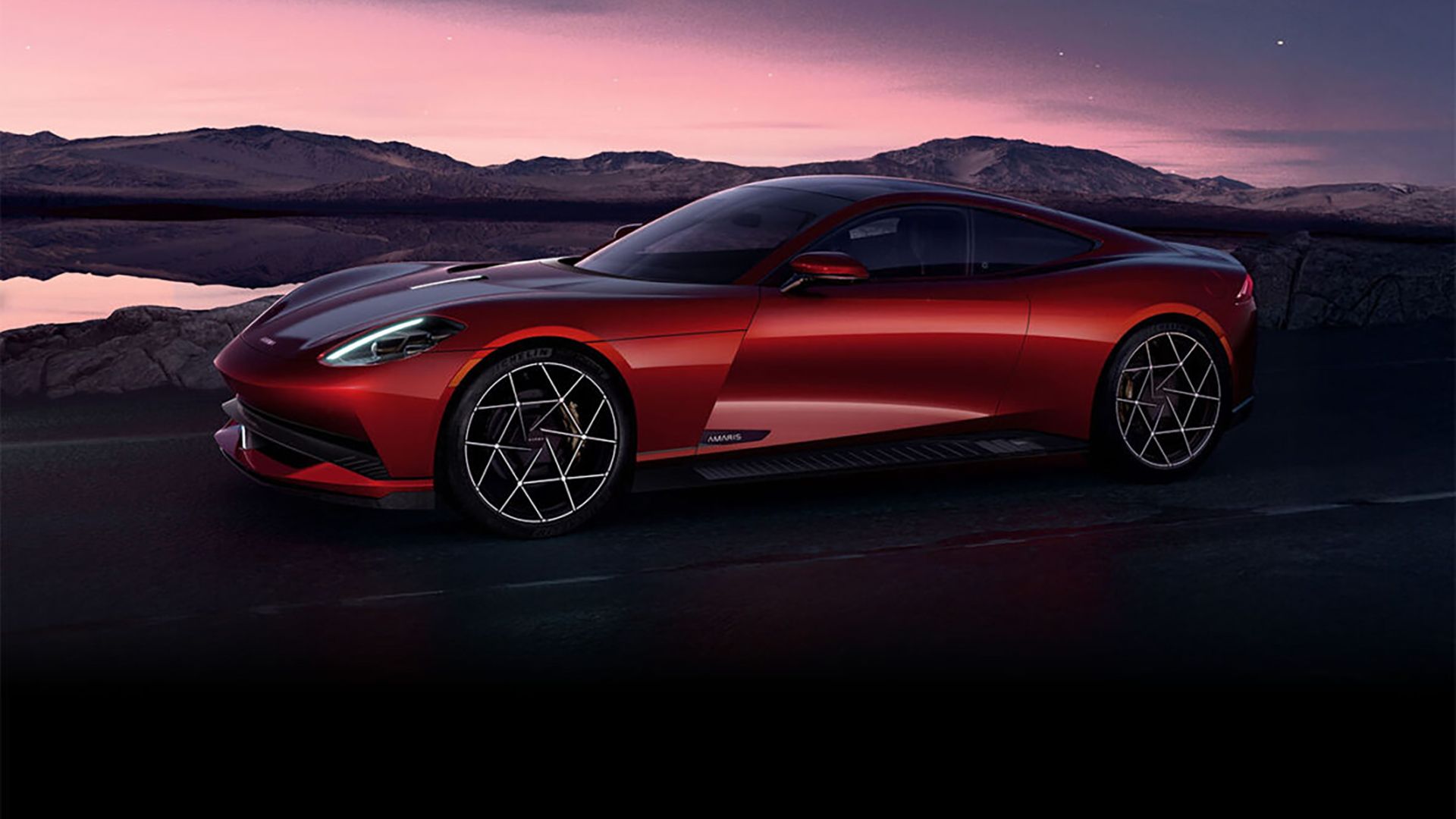
The new car is called the Karma Amaris. It’s a two-door coupe that, like its predecessors, promises a long electric range combined with the ability to extend even further with gasoline power. Karma expects to start building the new car at the end of 2026, but there will be another new model, the Gyesera, before that and a flagship performance car to come after.
Amaris Is A Stunning EREV Coupe
Karma Automotive emerged from the bankruptcy of Fisker Automotive (not Fisker Inc., Henrik Fisker’s other automotive failure) almost a decade ago. Since then, it has continued to build a handful of new vehicles every year, all based around the original Fisker Karma (now heavily modified and called the Karma Revero).
Like those cars, the Amaris is based on the original Fisker chassis. The company said that this is an evolution of the aluminum space frame developed for that car. The carbon and aluminum bodywork is all-new. It wears what Karma calls the Comet Line of the Kaveya, starting at the A-pillars and crossing over the hood to visually widen the rear of the car. It will also have a clamshell hood covering the range extender engine.

Related
Short-Lived Karma Revero To Receive Upgrade Packages
The Spanish supercar maker will offer “luxury and technological” upgrades.
The sleek Amaris will be powered by motors with “exceptional EV torque and performance,” Karma said, without giving any details. The company didn’t mention battery size or range expectations, either. The range extended function will come from “a larger, turbocharged four-cylinder.” The company’s current models use a 1.5-liter three-cylinder sourced from BMW.
Karma’s styling, especially the new Constellation wheels, is stunning. The sleek look and upward-swinging doors give this coupe a strong visual presence, though, from some angles, it has a bit of Aston Martin in the mix.
Gyesera First This Year, Amaris Next
While the Amaris is set to enter production in the fourth quarter of 2026, Karma has something planned to arrive before that. The Gyesera, a four-door sedan, will now go into production later this year. Though it was revealed as an EV, it, too, will get a range-extender powerplant. It will also have revised styling versus the original concept. Karma says that “changes in the near-term market demand for EVs” are behind the change from EV to EREV.
“Karma Automotive remains at the forefront of EREV powertrains, and believes now more than ever that the freedom of refueling either with gasoline or electricity is ideally suited to the marketplace,” says Marques McCammon, President, Karma Automotive.

Related
The Failed Hybrid Sports Sedan That Arrived 10 Years Too Early
The story of the Fisker Karma, and why its vision didn’t quite work out.
Karma’s full-EV halo car, the Kaveya, has been pushed back to allow for the Amaris. Instead of showing up later this year, the company now hopes to start building the 1,000-horsepower car in 2027. Karma currently builds the third-generation Revero and will start building the high-performance Revero-based Invictus this spring.