NHTSA Cuts Crash Reporting, Giving Tesla A Boost In The Self-Driving Race

The U.S. Department of Transportation on Thursday unveiled a new framework for the National Highway Traffic Safety Administration aimed at loosening regulations for self-driving cars, a move that will help companies that are locally developing the technology, such as Tesla, with its numerous Model 3 and other EVs.
Tesla
Tesla, Inc. is an American electric vehicle manufacturer largely attributed to driving the EV revolution. Through the Model S and subsequent products, Tesla has innovated and challenged industry conventions on numerous fronts, including over-the-air updates, self-driving technology, and automotive construction methods. Tesla is considered the world’s most valuable car brand as of 2023, and the Model Y the world’s best-selling car in the same year, but the brand’s greatest achievement is arguably the Supercharger network of EV charging stations.
- Founded
-
July 1, 2003
- Founder
-
Martin Eberhard, Marc Tarpenning
- Headquarters
-
Austin, Texas, USA
- Owned By
-
Publicly Traded
- Current CEO
-
Elon Musk
The goal, according to U.S. Secretary of Transportation Sean P. Duffy, is to foster development and innovation in the sector with a view to outpacing China, which is already a leader in self-driving technology.
“We’re in a race with China to out-innovate, and the stakes couldn’t be higher. Our new framework will slash red tape and move us closer to a single national standard.”
– Transportation Secretary Sean Duffy
What The New Rules Aim To Achieve
Under the framework, known as the Automated Vehicle (AV) Framework, NHTSA aims to prioritize the safety of self-driving cars operating on public roads, remove certain regulatory barriers that have limited development, and accelerate commercial deployment.
Among the specific measures is a reduction in the requirement to report crashes for vehicles equipped with automated driver-assist features. This streamlining will speed up NHTSA’s ability to assess crashes involving vehicles with fully automated driving systems, specifically those classified at Level 4 and above on the SAE scale of self-driving capability. Level 4, which is the level most robotaxis operate at today, is the first tier where a vehicle can function independently for extended periods without human intervention. But that’s not all.

Related
10 Things You Need To Know About The Tesla Robotaxi And Robovan
Tesla has just unveiled a pair of radical new vehicles, and these are ten key things that you need to know about them.
Another measure announced Thursday is the inclusion of domestically built vehicles with automated driving systems in the AV Exemption Program. The program, currently limited to imported vehicles, allows non-certified vehicles to operate despite not meeting Federal Motor Vehicle Safety Standards. Expanding the program will help domestic companies begin testing vehicles sooner.
The New Rules Will Differ By Varying States
Companies also face varying rules across different states, and one of the stated goals of the new framework is to avoid a patchwork of conflicting state laws and regulations. Some steps toward advancing self-driving cars have already been taken at the federal level. In 2022, NHTSA approved a regulation permitting vehicles without steering wheels or pedals to meet safety requirements. However, the number of such vehicles each company can deploy remains limited.

Related
Tesla’s Cybertruck Is Now Driving Autonomously, But There’s A Catch
The Cybertruck was reportedly driving itself at Giga Texas, along with a fleet of other vehicles. Is this a sign of bigger things to come from Tesla?
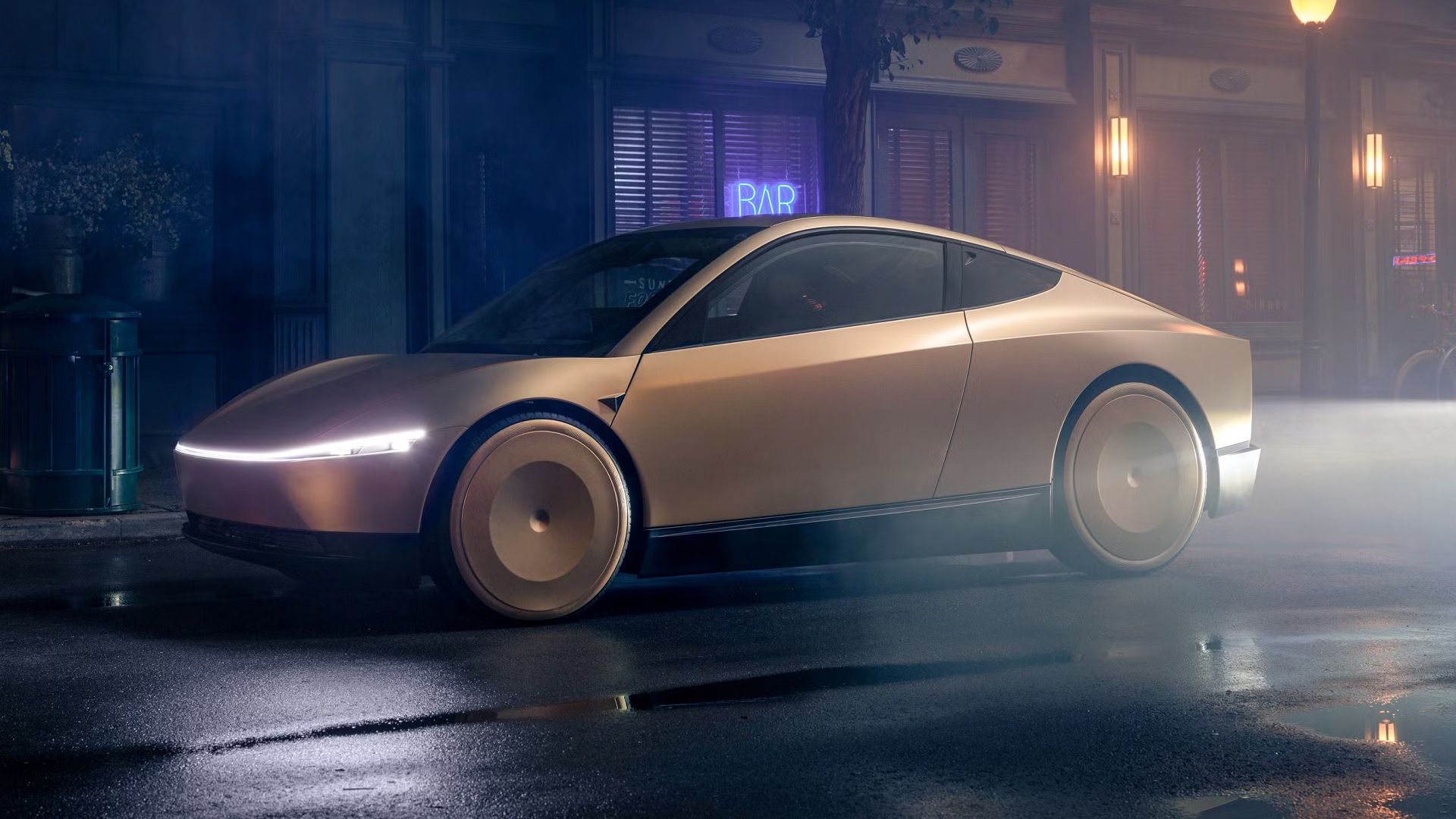
The latest policy shift will benefit one of President Trump’s biggest allies, Elon Musk, who, as Tesla CEO, is a leading figure in self-driving development. Musk, who has often criticized the burden of submitting crash reports for autonomous vehicles, said during an investor call on Tuesday that Tesla is committed to launching a commercial robotaxi service in Austin as early as June. The company last year unveiled the Cybercab and Robovan self-driving models, and noted that mass production could begin as early as 2026.
CarBuzz, its writers, editors, and owners have no affiliation with any political entity or party. The CarBuzz team comprises members with a variety of differing political and social views. This article does not support either side of the current political landscape and serves only to collate the various developments therein to discuss their potential ramifications on the auto industry.