
Risk Management and Compliance (GRC) Ensure Data Integrity?

Risk Management and Compliance (GRC)
With companies relying on data for so many purposes, it’s more important than ever to ensure that the information is accurate, secure and accessible. Achieving this goal requires clear governance policies, standardized procedures and processes, risk management tasks that identify and mitigate risks, and compliance with external laws and regulations. This is what makes up the triad of safeguards known as governance, risk management, and compliance (GRC). GRC has come a long way since it was first introduced by the Open Compliance and Ethics Group (OCEG) in 2007. Today, there are software and tools that streamline and automate many of the tasks that support this framework, making it easier for businesses to align their teams, manage risks, and comply with regulatory standards.
The biggest difference between governance and compliance is that data governance focuses on internal frameworks and practices to ensure data quality and security, while compliance refers to adhering to external regulations. Governance best practices like promoting data literacy, implementing advanced access control mechanisms, and establishing automated monitoring and auditing systems help businesses create robust governance frameworks that support their goals while prioritizing data integrity and minimizing security risks.
However, it’s important to note that grc governance risk compliance frameworks are only as strong as the data they rely on. Without high-quality data, the governance process can become derailed. For example, if one system records location data in a different format from another system, this can lead to inaccurate supply chain tracking. Similarly, analytics and reporting depend on quality data to produce reliable results. Governance can’t succeed unless it prioritizes data quality and builds in quality checks and monitoring into key processes like data entry, migration and integration.
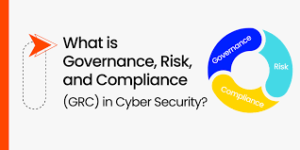
Risk Management and Compliance (GRC) Ensure Data Integrity?
Effective grc governance risk compliance strategies also include clearly defining roles and responsibilities, as well as establishing accountability across departments. This ensures that people understand who is responsible for what tasks and can help them identify and resolve issues. It also helps reduce the risk of accidental or intentional compliance breaches and mishandled data. It’s important to communicate these responsibilities clearly to employees to help foster a culture of transparency and trust.
Another way to prevent compliance breaches is to integrate compliance monitoring into existing business processes, rather than introducing new software or procedures. This eliminates the need to constantly train and remind staff about compliance procedures and helps avoid costly oversights. It also helps to minimize the impact of any non-compliance incidents, allowing organizations to focus on growing their business.
In addition to reducing the risk of compliance breaches, an effective governance strategy should incorporate insights from behavioral science. This can help organizations design governance policies that are more likely to be followed, as well as create training programs and other initiatives that incentivize employees to follow the rules. Finally, it’s crucial to use technology to automate governance tasks whenever possible. This reduces human error, increases efficiency, and cuts the amount of time employees spend on manual work. This frees up valuable resources to be dedicated to other efforts like increasing strategic alignment and fostering data-driven decision-making.

