The 12-Cylinder Volkswagen That Drove At 200 MPH For 24 Hours Straight

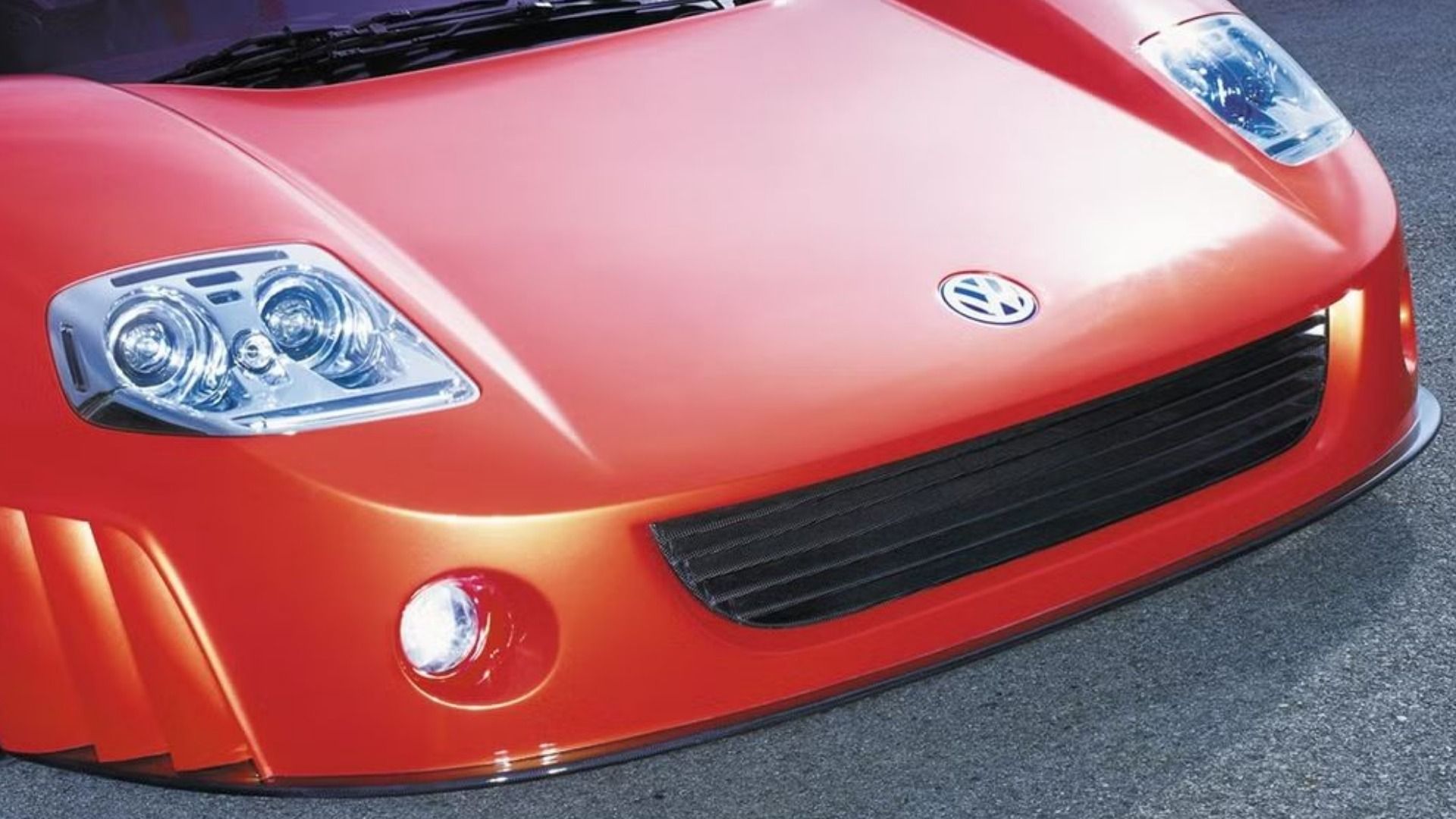
As the turn of the new millennium approached, Volkswagen CEO Ferdinand Piëch wanted to show the world that the brand wasn’t just about the ‘people’s car’, and that it was capable of so much more. Ordering VWs power plant designers to develop a W-configuration 12-cylinder engine was one thing, but he also wanted a special supercar built so that the unit had a home.
Volkswagen
Volkswagen is a mainstream automaker founded by the German Labour Front in 1937 as the “people’s car” company. Famous for the Volkswagen Beetle, Type 2 Bus, and modern classics like the Golf and Jetta, Volkswagen has emerged as one of the world’s largest automakers and a subsection of the larger Volkswagen Group, which either directly or indirectly owns controlling stakes in Porsche, Audi, Bentley, BMW, Skoda, Lamborghini, Bugatti, Rimac, Seat, and more.
- Founded
- 28 May 1937
- Founder
- German Labour Front
- Headquarters
- Wolfsburg, Germany
- Owned By
- Volkswagen Group
- Current CEO
- Thomas Schaefer
He got his way, and the project would eventually culminate in one of the coolest records ever secured by a performance car.
The cars featured in this article are all equipped with Volkswagen’s W12 engine, which was developed partly by running it for 24 hours straight.
The VW W12 Coupe Was A Supercar That Showed It Meant Business
|
2001 Volkswagen W12 Coupe Specifications |
|
|---|---|
|
Engine |
6.0-liter W12 |
|
Power |
591 hp |
|
Torque |
458 lb-ft |
|
0-60 mph |
Under 3.5 seconds |
|
Top Speed |
214 mph |
The W12 engine project was the first sign that Piëch was looking to elevate the VW brand to heights it had never experienced before, with the eventual plan for it being used in a bespoke luxury car. Before that, the new 5.6-liter power plant was first shown off at the 1997 Tokyo Motor Show, mounted in the middle of a concert supercar called the W12 Coupe. With a body penned by Italdesign, which still produces bold auto designs to this day, the car turned heads.

The 1997 evolution of the car was only the start though, and VW continued to develop the W12 over the next several years until the time came to unveil the evolution of the W12 Coupe in 2001. Featuring a more rounded and more powerful variant of the power plant, VW had nailed its target of showing it was capable of more than offering Golfs and Polos. Piëch still wasn’t satisfied though, and tasked his engineering team to try and break the record for the fastest average speed over 24 hours.

Related
King Of Speed: The Records Set By Every Modern Bugatti
The modern Bugattis that have broken records over the years, from acceleration to top speed and everything in between.
Piëch wanted the W12 Coupe to not only set a new 24-hour average speed record, but to post one of at least 200 mph. This was a lofty target, so the Coupe needed some extra development to achieve this.
The W12 Coupe Was The Ideal Base For Such A Target
While the initial evolution of the W12 was pretty potent, with 420 hp on tap, VW knew it could extract more. The engine was already pretty robust given it was made by combining two 2.8-liter VR6 engines together, power plants normally found in the likes of the Golf VR6 hot hatch. In preparation for the world record attempt, the engine’s displacement was increased to 6.0 liters, and it received a lighter aluminum block and cylinder heads.

Add CarBuzz to your Google News feed.
Peak power increased to 591 hp which, when combined with the W12 Coupe’s sleek bodywork, allowed it to easily clear the 200 mph barrier. This was despite it being naturally aspirated, with turbos not arriving until they were eventually used in some of Bentley’s future luxury offerings. The all-wheel-drive system used on the original Coupe concept was also ditched for a standard rear-wheel-drive system in a bid to keep its weight as low as possible; the car ending up tipping the scales at only 2,646 pounds.
The W12 Coupe’s Sleek Shape Allowed It To Blast Past 200 MPH
The Coupe’s focused design meant it could achieve a top speed of 214 mph, as well as sprint to 60 mph in under 3.5 seconds, despite missing the extra traction from the AWD system. A six-speed manual gearbox was mated to the mighty W12 for the record attempt.
The W12 Coupe Achieved Its Target, Despite Some Setbacks
The venue selected for the record attempt was VWs huge Nardo test track, a near-eight-mile banked oval in Italy that the marque used to test its latest models at high speeds. VW didn’t make it easy on itself either, as swarms of journalists were invited to observe the W12 Coupe in its quest to enter the history books, while Piëch was also present. A total of six drivers were employed to pilot the car throughout its 24-hour sprint, with the car able to run for 80 minutes at a time before refueling was needed.

Related
The World’s Fastest Piston-Driven Car
The world’s fastest piston-driven car comes dangerously close to the fabled 500 mph mark.
The pilots weren’t unqualified either, as the squad included the likes of former Formula 1 driver Emanuele Naspetti, Lamborghini test driver Giorgio Sanna, and sports car racing ace Mauro Baldi. With the car, track, and drivers ready to rock, the W12 Coupe set off on its fateful journey.

While ultimately managing to set a new 24-hour average speed record, a range of problems with the car meant it had to be driven slower than planned. This limited it to a final average speed figure of 182 mph, well short of Piëch’s 200 mph target. Not wanting to be beaten, VW returned to Nardo in February 2002 to have another crack at the record.
In the run-up to the second attempt, Volkswagen continually stress-tested another W12 engine in a Lamborghini Murcielago chassis to ensure it was up to the task of staying fully lit for 24 hours. This proved to do the trick, as the W12 Coupe ran flawlessly on its second 24-hour run. It ended up beating its own record with a 200.6 mph average speed, one that still remains unbeaten to this day. The car traveled over 5,000 miles in the process.

Aside from the main prize of extending its advantage in the highest 24-hour average speed benchmark, the W12 Coupe secured a further 11 world records. These included the highest average speed achieved over one, six, and 12 hours, as well as over 100, 500, 1,000, and 5,000 miles. VW had proven it had the tech to take it to the most formidable performance manufacturers in the world, and it had illustrated it in a commanding fashion. The W12 Coupe was also nicknamed the ‘Nardo’ following its record-breaking run, as a tribute to the venue where it had secured the accolade.
The W12 Also Reached Its Goal Of Being Used In VWs Luxury Vehicles
|
2001 Volkswagen Phaeton W12 Specifications |
|
|---|---|
|
Engine |
6.0-liter W12 |
|
Power |
414 hp |
|
Torque |
406 lb-ft |
|
0-60 mph |
5.1 seconds |
|
Top Speed |
155 mph |
The W12 Coupe’s record had come at the ideal time too, as the Phaeton luxury car had started production in December 2001. The successful Nardo runs were the ideal advert for the engineering excellence VW was capable of, and buyers could have a Phaeton with the exact engine that had just set a new 24-hour average speed record. Beyond the Phaeton, the W12 eventually found a home in cars such as the Audi A8, the Bentley Continental GT, and the Volkswagen Touareg SUV.

The power plants used in the Continental GT, as well as its Flying Spur sedan sibling, even featured a pair of turbochargers. These bumped up power to 553 hp, though it eventually reached 700 hp when it was further developed for use in the special Supersports model. The engine continued to find a home in VW Group models until April 2024, when it was finally retired in favor of more modern and efficient engines.

It more than shared its worth in its 20-year history though, with its smoothness making the likes of the Continental and A8 a success, while its muscle ensured that it still holds multiple speed records even today. With Bugatti soon set to unleash its V16 to the world, perhaps it would be interested in extending the VW Group’s average 24-hour speed record. Should it find a fuel tank big enough for it to travel further than 12 minutes, of course.
Sources:
Volkswagen