What are the advantages of using flex circuit pcb?

advantages of using flex circuit pcb
Flexible circuit PCBs (flex PCBs) have revolutionized the electronics industry by offering a myriad of advantages over traditional rigid PCBs. Their unique properties have enabled advancements in various fields, from consumer electronics to medical devices and aerospace technology. Here are the key advantages of using flex circuit PCBs.
One of the most significant advantages of flex circuit pcb is their ability to reduce space and weight in electronic devices. Flex PCBs can be designed to fit into tight and irregular spaces, which is particularly beneficial for compact and miniaturized electronics. Their lightweight nature also makes them ideal for applications where weight is a critical factor, such as in aerospace and portable medical devices. By eliminating the need for bulky connectors and cables, flex PCBs contribute to more streamlined and efficient designs.
Flex PCBs offer unparalleled design flexibility, allowing engineers to create circuits that can bend, twist, and fold. This flexibility is crucial for devices with moving parts or those that require a non-linear layout. The ability to fold and conform to various shapes opens up new possibilities for innovative product designs that are not achievable with rigid PCBs. This versatility makes flex PCBs an excellent choice for wearable technology, foldable smartphones, and other cutting-edge electronic products.
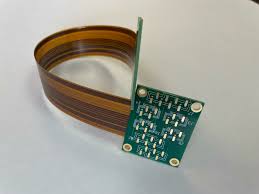
What are the advantages of using flex circuit pcb?
Flex PCBs are known for their durability and reliability, especially in dynamic and harsh environments. Their flexible nature allows them to absorb and distribute mechanical stress more effectively than rigid PCBs, which can crack or break under similar conditions. Flex PCBs are also resistant to vibrations and shocks, making them suitable for automotive, aerospace, and industrial applications where reliability is paramount. Furthermore, the use of high-quality materials like polyimide enhances their thermal stability and resistance to environmental factors such as moisture and chemicals.
Using flex PCBs can significantly simplify the assembly process of electronic devices. Because they can replace multiple rigid boards and connectors, they reduce the number of interconnections required, which in turn lowers the risk of connection failures. Flex PCBs can integrate various components into a single, continuous circuit, streamlining the manufacturing process and reducing assembly time and labor costs. This simplified connectivity also improves signal integrity by minimizing the number of interfaces and potential points of failure.
Flex PCBs can enhance the performance of electronic devices through improved signal integrity and electrical performance. The seamless connection paths in flex PCBs reduce the need for connectors and solder joints, which are common sources of signal loss and interference. The ability to design more direct routing paths helps maintain signal quality and ensures faster and more reliable data transmission. This advantage is particularly important in high-speed and high-frequency applications, such as in telecommunications and computing.
While the initial cost of manufacturing flex PCBs can be higher than that of rigid PCBs, they can be more cost-effective in complex designs. Flex PCBs can consolidate multiple rigid boards and connectors into a single flexible unit, reducing the overall material and production costs. Additionally, their reliability and reduced need for maintenance can lower long-term operational costs. For applications requiring intricate and compact circuitry, flex PCBs provide a cost-effective solution by minimizing assembly complexity and enhancing product performance.
The versatility of flex PCBs makes them suitable for a wide range of applications across different industries. In consumer electronics, they are used in smartphones, tablets, and wearable devices. In the medical field, flex PCBs enable the development of flexible and implantable medical devices, such as pacemakers and hearing aids. In the automotive industry, they are used in advanced driver-assistance systems (ADAS) and infotainment systems. Their adaptability and robustness also make them ideal for aerospace and military applications, where reliability and performance are critical.
Flex circuit PCBs offer numerous advantages, including space and weight reduction, enhanced design flexibility, improved reliability, simplified assembly, superior performance, cost-effectiveness in complex designs, and versatility across various applications. These benefits make flex PCBs an invaluable component in the advancement of modern electronics, enabling the development of innovative and high-performance devices that meet the growing demands of today’s technology-driven world.