What are the common emc issues encountered in contract electronic assemblys?

common emc issues encountered in contract electronic assemblys
In contract electronic assemblies, ensuring electromagnetic compatibility (EMC) is crucial for the reliable operation of electronic devices and systems. However, several common EMC issues can arise during the assembly process, potentially leading to electromagnetic interference (EMI) and performance degradation. Identifying and addressing these issues is essential to mitigate risks and ensure compliance with regulatory standards.
One common EMC issue encountered in contract electronic assembly is electromagnetic emissions. Electronic devices generate electromagnetic fields during operation, which can radiate into the surrounding environment and interfere with nearby electronic equipment. High-frequency signals, switching circuits, and improperly shielded components are common sources of electromagnetic emissions. Manufacturers must employ proper shielding, filtering, and routing techniques to minimize emissions and prevent interference with other devices or systems.
Another common EMC issue is conducted emissions, which occur when electromagnetic energy is conducted along power or signal lines and emitted through connectors, cables, or power supply circuits. Conducted emissions can result from improper grounding, inadequate filtering, or poor power supply design. Manufacturers must implement effective filtering, grounding, and isolation techniques to suppress conducted emissions and ensure compliance with regulatory limits.
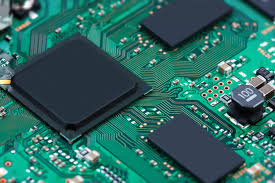
What are the common emc issues encountered in contract electronic assemblys?
Additionally, electromagnetic susceptibility, or susceptibility to external electromagnetic interference, is a significant EMC issue in contract electronic assemblies. Electronic devices may be susceptible to interference from sources such as power lines, radio frequency (RF) signals, and electromagnetic fields generated by nearby equipment. Common sources of susceptibility include improperly shielded components, inadequate grounding, and insufficient isolation between sensitive circuits. Manufacturers must design assemblies with robust shielding, grounding, and filtering to enhance immunity to external interference and prevent malfunctions or data corruption.
Furthermore, signal integrity issues can arise in contract electronic assemblies due to electromagnetic interference, leading to data errors, timing jitter, or signal distortion. High-speed signal traces, impedance mismatches, and improper routing can exacerbate signal integrity problems and increase susceptibility to EMI. Manufacturers must carefully design assemblies with controlled impedance routing, signal isolation, and proper grounding to maintain signal integrity and minimize the impact of electromagnetic interference.
Moreover, electromagnetic compatibility issues may arise from inadequate testing and validation procedures during the assembly process. Failure to conduct comprehensive EMC testing can result in undetected EMI problems, non-compliance with regulatory standards, and unreliable performance of electronic devices. Manufacturers must implement thorough testing protocols, including electromagnetic emissions testing, conducted emissions testing, and susceptibility testing, to identify and address potential EMC issues before products reach the market.
In conclusion, several common EMC issues can affect contract electronic assemblies, posing challenges to the reliable operation and regulatory compliance of electronic devices and systems. Electromagnetic emissions, conducted emissions, susceptibility to external interference, signal integrity issues, and inadequate testing procedures are among the key challenges faced by manufacturers. By implementing proper shielding, filtering, routing, grounding, and testing techniques, manufacturers can mitigate EMC issues and ensure the quality, reliability, and compliance of contract electronic assemblies.