What are the typical turnaround times for printed board assembly?

typical turnaround times for printed board assembly
The turnaround time for printed board assembly (PBA) is a crucial factor in the electronics manufacturing process, impacting product development timelines, production schedules, and ultimately, time-to-market for electronic devices. Several factors influence the typical turnaround times for PBA, including the complexity of the design, the availability of components, and the chosen assembly process.
One of the primary factors affecting turnaround times is the complexity of the PCB design. Simple PCBs with few components and straightforward routing patterns can be assembled relatively quickly, often within a matter of days. However, more complex designs with multiple layers, fine-pitch components, and intricate routing may require additional time for assembly and testing. Manufacturers may need to optimize the assembly process, adjust machine settings, and conduct thorough quality control checks to ensure the reliability and functionality of the assembled boards.
Component availability is another critical factor that can impact turnaround times for printed board assembly. Certain components may have long lead times or be subject to supply chain disruptions, particularly in times of high demand or during component shortages. Manufacturers must carefully manage their component inventory, maintain relationships with trusted suppliers, and proactively monitor market trends to minimize delays caused by component shortages or procurement challenges.
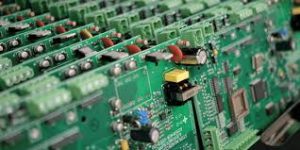
What are the typical turnaround times for printed board assembly?
The chosen assembly process also plays a significant role in determining turnaround times for PBA. There are several assembly methods available, including surface mount technology (SMT), through-hole assembly, and mixed technology assembly. Each method has its advantages and challenges, with SMT typically offering faster assembly times compared to through-hole assembly due to its automated processes and higher component densities. However, mixed technology assemblies that combine both SMT and through-hole components may require additional time for assembly and testing to ensure the integrity of the finished boards.
In addition to the factors mentioned above, turnaround times for PBA may also be influenced by external factors such as order volume, production capacity, and unforeseen disruptions. High-volume orders may require additional time for scheduling and processing, while unexpected equipment failures or supply chain disruptions can cause delays in production. Manufacturers must have contingency plans in place to address these challenges and minimize the impact on turnaround times.
Despite the various factors that can affect turnaround times for PBA, manufacturers strive to provide fast and reliable assembly services to meet the needs of their customers. Many manufacturers offer expedited services and flexible production schedules to accommodate tight deadlines and urgent orders. By leveraging advanced manufacturing technologies, optimizing production processes, and maintaining robust supply chain management practices, manufacturers can minimize turnaround times and deliver high-quality printed board assemblies in a timely manner.
In conclusion, the typical turnaround times for printed board assembly can vary depending on factors such as PCB complexity, component availability, assembly process, and external factors. Manufacturers must carefully manage these factors to ensure efficient production workflows, minimize delays, and meet customer expectations for fast and reliable assembly services. By prioritizing efficiency, flexibility, and quality, manufacturers can streamline the PBA process and deliver high-quality electronic devices to market in a timely manner.