
What Industries Rely on Quick Turn PCB Boards?

Rely on Quick Turn PCB Boards
Technology firms rely on quick turn PCB fabrication to enable faster prototyping and pre-production runs. This helps them to avoid expensive fixes during high-volume manufacturing and accelerates product launch time. It also enables them to test new designs and functionalities to identify and resolve critical flaws before committing to costly changes during mass production.
Tech companies that rely on fast turn PCBs save resources and costs by eliminating the need to dedicate human resources to manage their own fabrication processes, which often require extensive training. This approach also provides them with the flexibility to respond quickly to market trends, strengthening their competitive edge and boosting business performance.
Moreover, working with an experienced PCB manufacturer who offers a variety of services including design, prototyping, assembly, and shipping can help to reduce overall expenses and production delays. However, it is important to select a reliable supplier that prioritizes quality, adheres to strict industry standards, and utilizes advanced testing techniques to ensure the reliability of each produced board.
PCB prototypes facilitate testing and evaluation of the performance of new technologies before they are scaled up to production quantities. These prototypes are also a useful tool to identify and rectify any errors in the circuitry. This reduces the risk of failure in the final products, as well as ensuring that the final design meets all applicable codes and regulations.
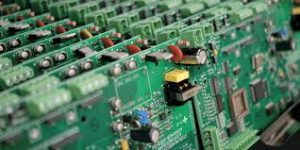
What Industries Rely on Quick Turn PCB Boards?
In addition, fast-turn PCB fabrication allows designers to make adjustments and corrections to their designs prior to production runs. This eliminates the need to wait until the first batch of products are ready for sale and enables the manufacturers to deliver quality products that meet the customers’ expectations.
As the demand for quick turn pcb boards grows, manufacturers are improving their capacity to meet this need with more rapid and cost-effective production techniques. These include reducing the number of layers and utilizing simpler components, optimizing layouts for manufacturability, and simplifying Gerber files to minimize manufacturing delays and errors.
Additionally, engaging with a reputable PCB manufacturer that is ISO certified can help to ensure that the resulting boards are code compliant and that they comply with industry-standard specifications. This can further minimize production delays and errors, while allowing engineers to focus their attention on other aspects of the design process.
To expedite the PCB manufacturing process, it is recommended to prioritize Design for Manufacturability (DFM) guidelines and check for compliance with DFM criteria like minimum trace widths and spacing as early as possible in the design phase. It is also a good idea to double-check the formats of Gerber files and confirm that they are accurate, as even minor issues can delay the process significantly. In addition, selecting a supplier that has a solid track record of providing high-quality PCBs and excellent customer service can further reduce the risks associated with working with a new supplier.

