
What is conformal coating and why is it applied during Pcb assembly services?

Pcb assembly services
Conformal coating is a protective coating applied to the surface of printed circuit boards (PCBs) during the assembly process. This specialized coating serves as a barrier against environmental factors such as moisture, dust, chemicals, and temperature fluctuations, helping to enhance the reliability and longevity of electronic devices. Conformal coatings are typically thin, transparent, and insulating, allowing them to conform to the contours of the PCB and provide uniform coverage without affecting the electrical performance of components.
The primary purpose of conformal coating is to safeguard pcb assembly services and their components from harsh operating conditions and external contaminants. Electronic devices are often subjected to a wide range of environmental stresses, including humidity, temperature variations, vibrations, and exposure to chemicals or corrosive agents. Conformal coatings create a protective barrier that seals the PCB against moisture ingress, prevents dust and debris buildup, and shields sensitive components from chemical corrosion or oxidation.
Moreover, conformal coatings help improve the reliability and performance of electronic devices in demanding applications and harsh environments. By protecting PCBs from environmental factors and preventing the formation of electrical shorts or corrosion, conformal coatings contribute to increased product lifespan and reduced failure rates. This is particularly important in industries such as aerospace, automotive, industrial automation, and medical devices, where reliability and durability are critical requirements.
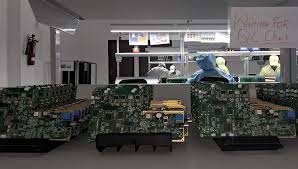
What is conformal coating and why is it applied during Pcb assembly services?
Additionally, conformal coatings provide insulation and electrical insulation properties, helping to prevent electrical leakage, short circuits, and arcing between conductive traces or components on the PCB. This insulation is especially beneficial in high-voltage or high-frequency applications, where maintaining signal integrity and preventing electrical interference are paramount. Conformal coatings can also enhance the dielectric strength of PCBs, reducing the risk of electrical breakdown and improving overall electrical performance.
Furthermore, conformal coatings offer protection against mechanical damage and physical stressors that may occur during handling, assembly, or operation of electronic devices. The flexible and resilient nature of conformal coatings allows them to absorb shocks, vibrations, and mechanical impacts, reducing the risk of damage to delicate components or solder joints on the PCB. This is particularly important for portable or ruggedized devices that are exposed to rough handling or extreme conditions in field applications.
Moreover, conformal coatings provide an additional level of security by protecting sensitive electronic circuits and components from tampering, tampering, or unauthorized access. By encapsulating the PCB and concealing its internal components, conformal coatings make it more difficult for malicious actors to compromise the functionality or integrity of electronic devices. This is especially relevant in applications where data security, intellectual property protection, or regulatory compliance are concerns.
In conclusion, conformal coating plays a vital role in PCB assembly services by providing protection, insulation, and reliability enhancements to electronic devices. By safeguarding PCBs against environmental factors, electrical faults, mechanical damage, and tampering, conformal coatings help ensure the long-term performance and durability of electronic products in a wide range of applications. As electronic devices continue to proliferate and become more integrated into everyday life, the importance of conformal coating in maintaining reliability and safety will only continue to grow.

