How PCB Manufacturers Handle Confidential Designs

PCB Manufacturers Handle Confidential Designs
PCB manufacturers are tasked with handling sensitive data, and strict protocols and rigorous security measures are required to ensure the confidentiality of client designs. They encrypt data, control access and compliance, and conduct regular audits to address potential vulnerabilities. This comprehensive approach helps protect critical information against cyber threats and other threats that can impact business operations and compromise the integrity of finished products.
Several common risks associated with PCB manufacturing include unauthorized replication, reverse engineering, and intellectual property infringement. These risks can lead to financial losses, damage to brand reputation, and costly legal disputes. By implementing strong defense strategies, a pcb manufactures can safeguard their clients’ confidential information and maintain a competitive edge in the market.
Before transferring any pcb manufactures design files to a manufacturer, be sure to establish a comprehensive non-disclosure agreement (NDA). The NDA should clearly define the scope of confidential information, outline responsibilities and responsibilities, and include penalties for violations. It is also advisable to consult a legal expert to tailor the NDA to your unique requirements and ensure compliance with relevant laws.
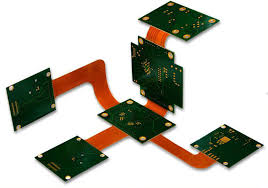
How PCB Manufacturers Handle Confidential Designs
In addition to protecting proprietary information, a pcb manufactures must also ensure that the final product meets all quality and performance standards. To this end, they utilize stringent inspection procedures and rigorous electrical testing to verify the fabricated circuit boards’ functionality and reliability. They also adhere to established industry standards and certifications, including ISO 9001, IPC-A-600, and UL.
During the manufacturing process, it is essential that the PCB manufacturer can handle a wide range of components and technologies, from fine-pitch surface mount devices to high-speed circuits. This requires extensive knowledge of electronic fabrication processes, meticulous planning, and advanced technologies, including HDI technology and impedance control. A reputable PCB manufacturer must be capable of providing a robust production capability while maintaining tight schedules and stringent quality standards.
One of the most effective ways to protect your pcb design is by printing a legend on the board that identifies components, switch settings, and test points. This helps prevent unauthorized replication of your design and can help identify any defects during the assembly process. PCB manufacturers use a variety of printing methods, including silkscreening epoxy ink, liquid photo imaging, and ink jet printing, to produce the required legend.
When selecting a pcb manufactures, ask about their equipment and inspection capabilities. Request a virtual or in-person tour of their facilities to evaluate their machinery, such as the latest SMT placement machines capable of handling fine-pitch components and automated optical inspection (AOI) systems for early defect detection. Also, inquire about their traceability and data analysis capabilities, which can help ensure the accuracy of production runs and enable them to make data-driven improvements in their processes. In addition, be sure to consider their pricing structures and minimum order quantities. A reputable PCB manufacturer will offer competitive pricing without sacrificing quality or reliability. They will also be able to meet your volume and delivery needs.